
How Towel Edges Are Finished: Hemming, Binding, and Stitching Techniques
The way towel edges are finished—through hemming, binding, and specialized stitching—directly impacts not just appearance, but also durability, softness, and long-term performance. Whether for luxury hotel bath linens or sports towels, the precise edge finishing methods used in textile manufacturing shape both the tactile experience and overall product lifespan. In leading factories like Circe Towel, strict quality control over edge finishing helps ensure that towels maintain their integrity through repeated laundering and heavy use.
Understanding Towel Edge Finishing: Methods and Their Importance

Towel edge finishing involves various technical processes designed to reinforce fabric ends, prevent fraying, and lend a polished look. Each technique carries advantages suited to specific towel applications and market needs—from the simple folded hem of bath towels to complex bindings for beach or promotional towels. Proper edge finishing, combined with fiber selection (such as long-staple combed cotton, bamboo viscose blends, or high-GSM microfiber), dictates absorbency, softness, aesthetic appeal, and cost structure.
- Durability: Prevents unraveling, tearing, and edge distortion.
- Visual Appeal: Defines the towel’s finished look and consumer perception of quality.
- Functionality: Supports absorbency and handling, especially for large formats like bath sheets.
- Customization: Allows logo placement, decorative borders, and customer branding through different techniques.
- Quality Control: Ensures seam strength, evenness, and dimensional stability per market specification.
The Main Edge Finishing Techniques
Classic Hemming
Hemming is the most widespread method for finishing towel edges. The fabric edge is folded over (single or double turn), pressed, and stitched down. This process, often executed on high-speed industrial sewing machines, creates a neat, slightly raised border that resists unraveling and maintains shape after laundering. In premium towel manufacturing, the hem stitch might use fine cotton or specialty threads, with seam width typically between 0.5–1.2 cm depending on towel type.
Advantages of Hemming
- Strengthens the towel perimeter
- Subtle appearance, suits luxury and hospitality markets
- Minimizes bulk for easy folding and stacking
- Can incorporate decorative topstitching or hidden seams
Binding: Enhanced Protection and Style
Binding, or bias-bound finishing, covers the raw edge with a separate strip—usually in cotton, polyester, or matching towel material. This technique enhances seam strength and lends a contrasting or accent border, preferred in beach towels, baby wraps, and some promotional pieces. Precision in binding application is crucial; uneven tension or poorly aligned strips lead to puckering and diminished durability.
Advantages of Binding
- Reinforces edges for high-wear environments
- Allows color blocking and decorative effects
- Accommodates logo embroidery, special trims, or piping
- Popular for children’s towels, sports towels, and branded gifts
Advanced Stitching Techniques
Beyond hemming and binding, factories employ several specialized stitching styles: overlock (serged) seams, comb stitch, chain stitch, and triple-lock safety stitches. Overlock seams, produced on surge machines, wrap raw edges with interlocking threads for superior pull resistance. Chain stitches offer flexibility, commonly used for rounded corners on hooded baby towels. Triple-lock seams provide maximum reinforcement for heavy-duty gym or spa towels.
Special Considerations
- Thread type and tension calibration affect both edge softness and longevity
- Attention to stitch density (SPM: stitches per minute) ensures no loose points, critical for high-GSM towels
- High-speed industrial looms and automated cutters help maintain size uniformity for bulk orders
Comparative Edge Finishing Table: Durability & Aesthetics
| Technique | Fibers / Weaves | Typical GSM | Absorbency | Recommended Use | Durability Rating | Appearance |
|---|---|---|---|---|---|---|
| Classic Hemming | Long-staple cotton, terry/velour | 450–700 | Excellent | Bath, hotel, spa, face/hand | High | Minimal, clean edge |
| Binding | Combed cotton, bamboo blends, microfiber | 300–800 | Very good | Beach, baby, sports, promo | Very High | Accent border, contrasting options |
| Overlock / Serged | Microfiber, specialty weaves | 180–300 | Quick-dry, moderate | Sports, gym, kitchen | Highest | Exposed thread, industrial look |
| Decorative Stitching | Jacquard, dobby borders, bamboo | 550–900 | Luxurious | Bath sheets, gift sets, hotel suites | High | Ornamental, custom effects |
The Link Between Edge Finishing and Towel Longevity
Edge finishing is the first line of defense against wear. A poorly hemmed towel edge is susceptible to seam slippage, fraying, and rapid decline in absorbency. Leading manufacturers like Circe Towel routinely perform tensile strength tests (ASTM D1683) and dimensional change verification (AATCC 135) to ensure edge stability. Premium towels undergo multi-stage inspection for stitch quality, GSM consistency, and edge reinforcement, all of which mitigate shrinkage and maintain shape through hundreds of wash cycles.
- Seam Strength: Regular pull tests prevent weak points at edge joins.
- Pilling & Lint: Smooth, tight stitching reduces fiber loss and linting.
- Shape Retention: Properly finished edges avert stretching or curling (especially with zero-twist cotton).
- Absorbency Preservation: Edge treatments keep loops compact, maximizing water uptake.
- Colorfastness: Secure edge binding resists bleed and fading during laundering (AATCC 61).
Quality Control in Modern Towel Factories
Highlights of Circe Towel’s Edge Finishing Process
Circe Towel implements stringent multi-check protocols in edge finishing. Automatic tension sensors measure stitch density and placement, while trained inspectors visually scan seams for skipped stitches or puckering. Each towel batch is subjected to random pull tests, dimensional audits, and color control checks (using bulk dye standards). This ensures every piece meets both performance and aesthetic benchmarks expected in international hospitality, spa, and retail sectors.
Testing & Compliance Standards
- OEKO-TEX STANDARD 100: Certifies absence of harmful substances in edge finishing chemicals.
- EN/ISO standards for seam strength, pilling resistance, and fiber composition.
- REACH and Prop 65 compliance for chemical finishing dyes and thread treatments.
- BSCI/WRAP/SEDEX audit protocols, validating ethical workplace and production practices.
Expert Takeaway: “Edge finishing is not just cosmetic—strong hems and bindings, together with precision stitching, are vital for towels that last, wash after wash. Buyers should always request up-to-standard samples and require factory conformity to major textile test protocols.”
Design Considerations: Balancing Form and Function
Designers and buyers often weigh technical requirements against visual branding. Doubled or hidden hems suit minimal, upscale hotel towels, while decorative piping or contrast binding instantly elevates beach and promotional models. Loop density near the edges, fiber blend selection (Egyptian cotton vs. Turkish cotton vs. microfiber), and GSM targeting all factor into the finishing decision—affecting absorbency, handfeel, and after-wash appearance.
- Embroidery and logo placements commonly done on binding or wide hem strips.
- Color shade control prevents edge banding from fading at a different rate than body fabrics.
- Baby towels often use ultra-soft, OEKO-TEX-certified bindings for sensitive skin.
- Luxury spa towels may feature jacquard dobby borders, requiring specialty edge applications.
Manufacturing Detail: Edge Finishing in Action
Fabric Selection & Preparation
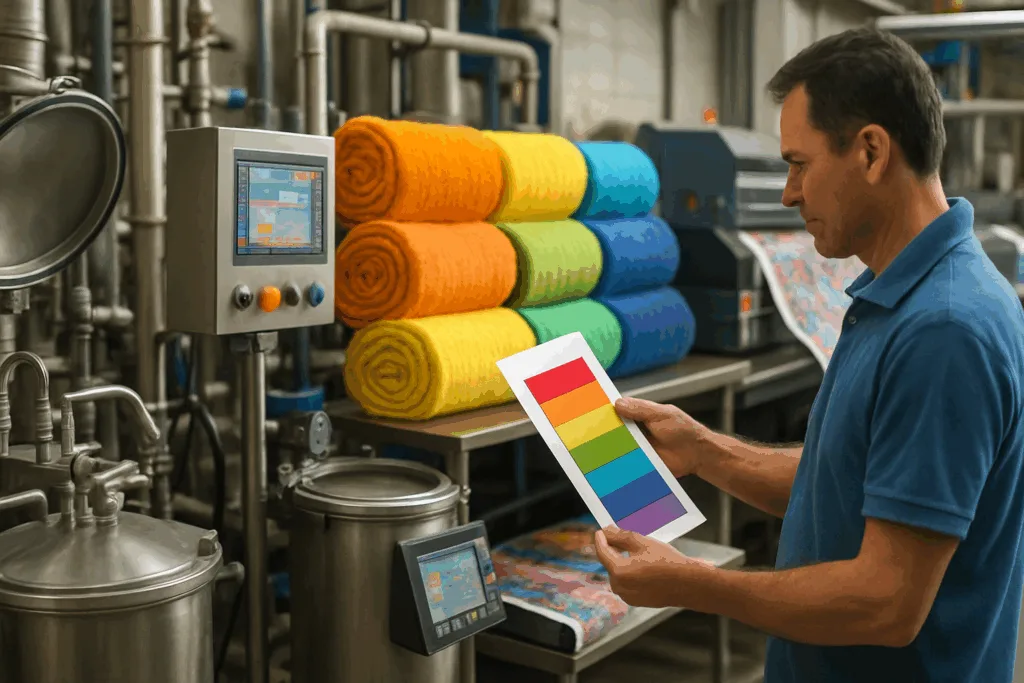
Fabric rolls are inspected for selvage integrity before cutting. Long-staple combed cotton offers exceptional resistance to fraying, while microfiber sports towels require precise overlock seams to stabilize the edges. For custom programs, Circe Towel pre-tests dye shades and binding materials, guaranteeing colorfastness and dimensional stability.
Cutting, Stitching, and Binding
Precision cutting tables ensure consistent towel dimensions, critical for bulk hotel and spa orders. Stitching machinery settings—needle gauge, thread count, feed rate—are adjusted per towel type (e.g., 12–20 spi for bath towels, tighter for gym/quick-dry microfibers). Bindings and decorative borders are attached with bias machines, and ends are triple-locked or chain-stitched for longevity.
Trending Edge Treatments: Innovation in Towel Finishing
Zero-Twist and Low-Twist Cotton Edges
Zero-twist and low-twist edge finishing deliver a uniquely plush feel and enhanced absorbency. These towels often require reinforced or dual-layer hemming due to reduced edge yarn strength. Circe Towel engineers specialized softener treatments and enzyme washes on these edges, promoting luxurious handfeel without sacrificing seam integrity.
Sustainable Bindings & Finishes
Eco-conscious edge finishes—such as GOTS-certified organic cotton binding and low-VOC softeners—meet both performance and sustainability criteria. Factories are now adopting compostable packaging solutions, specifying recyclable sleeve bands and water-based logo printing on bindings for promotional and retail programs.
Edge Finishing and Buyer Outcomes: Making the Right Choice
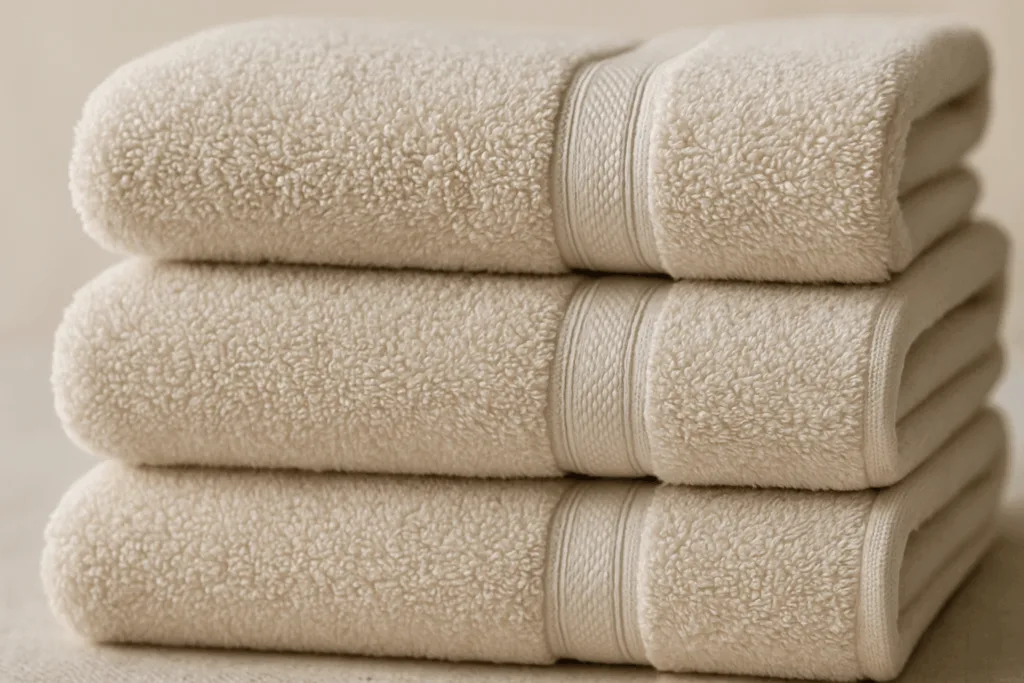
The optimal edge finishing method depends on intended towel use, budget, desired softness, colorfastness, and brand positioning. Hoteliers may prioritize subtle doubled hems, while sports and promotional buyers opt for resilient bindings or overlocked edges to withstand rugged conditions. Communication between buyers and manufacturers should address fiber content, GSM targets, finishing chemicals, logo/embroidery needs, packaging requirements, and quality control checkpoints before confirming bulk orders.
- Sample Approval: Request production samples with specified edge finishing for lab and real-world laundering tests.
- MOQ and Cost: Complex bindings and decorative stitches may slightly increase minimum order quantities and lead time.
- Lead Time: Automated finishing lines reduce production time, supporting tight logistics and reliable delivery.
- Packaging: Discuss options like recyclable bands, vacuum packs, and carton specs for B2B and retail programs.
Frequently Asked Questions
What is the difference between hemming and binding on towel edges?
Hemming folds and stitches the fabric edge for a subtle finish, while binding covers the raw edge with a separate material strip, increasing durability and allowing decorative effects.
How do advanced stitching methods impact towel longevity?
Advanced techniques like overlock and triple-lock stitching reinforce edges, preventing fraying and seam failure after repeated washes, especially in high-GSM or microfiber towels.
Which edge finishing is best for luxury hotel towels?
Double-turned classic hemming with fine density stitching is preferred for luxury hotels, as it offers a sleek look with strength suitable for frequent laundering and guest comfort.
How can buyers verify quality control in towel edge finishing?
Buyers should request sample towels, review seam strength test results, and confirm compliance with industry standards like OEKO-TEX and AATCC for colorfastness and dimensional stability.
Do sustainable edge finishes affect performance?
Eco-friendly bindings and low-VOC treatments can match traditional performance if factory protocols are tight, following OEKO-TEX and GOTS standards for safe chemicals and fibers.
Can logo embroidery and decorative borders be added to finished towel edges?
Yes, bindings and wide hems can incorporate logos, jacquard, embroidery, and accent piping, allowing full customization for branding or retail programs without compromising durability.