
The Urgency of Sustainable Water Management in Towel Dyeing
Towel dyeing is traditionally water-intensive: a standard cotton towel, depending on the dyeing approach, can require tens of liters of water from pre-treatment through washing to final rinses. With global water scarcity escalating, factories are now facing stakeholder pressure—from regulators, brands, and hospitality clients—to pioneer responsible stewardship.
- Approximately 100–200 liters of water are used to dye just 1 kilogram of cotton in conventional setups.
- Dye bath effluents can contain dyes, salts, surfactants, and oxidizing agents that jeopardize natural water bodies unless properly managed.
- Sophisticated buyers now demand proof of water recycling, effluent zero discharge (ZLD), and international certifications to verify sustainable practice.
What Drives Water Use in Towel Dyeing?
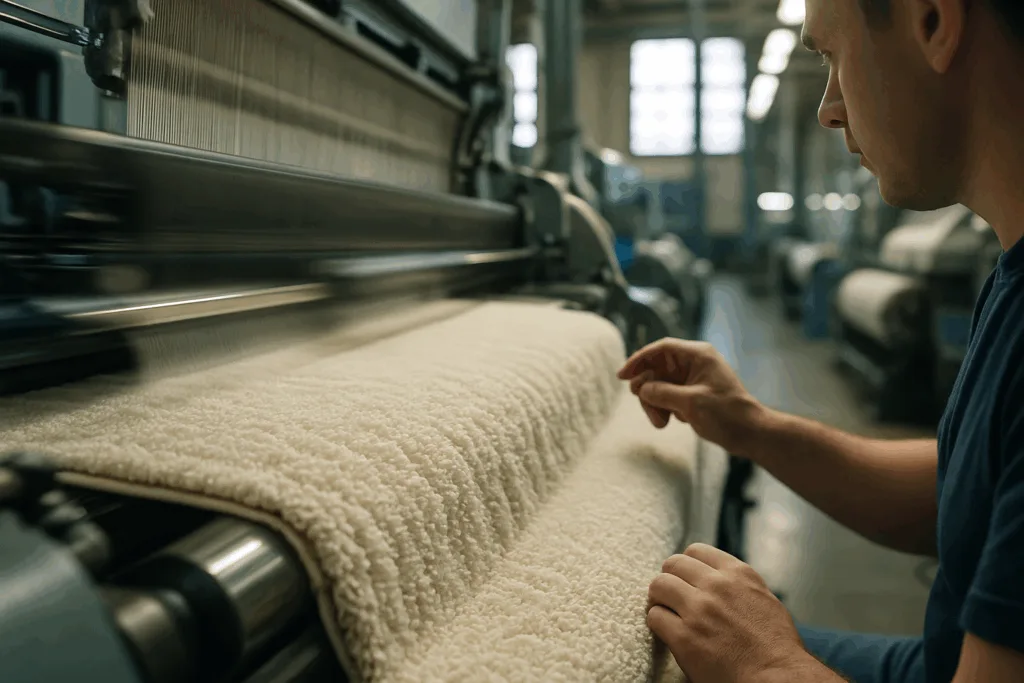
The towel dyeing journey, whether for combed cotton hotel towels or quick-dry microfiber gym towels, includes several water-intensive stages:
- Desizing & Scouring: Removing natural impurities and sizing agents from greige fabric.
- Bleaching: Achieving a crisp, dye-ready white base.
- Dye Application: Using reactive dyes (for cotton blends) or disperse dyes (for microfiber) in controlled baths.
- Soaping & Rinsing: Removing unfixed dyes, minimizing crocking, and solidifying colorfastness.
Each step consumes water and generates wastewater loaded with chemicals, dyes, and auxiliaries. The challenge lies in reducing net water input, reusing water safely, and ensuring effluent release meets or exceeds legal standards—ideally, returning water to the process in a closed-loop.
Innovative Water Recycling & Recovery Systems
Advanced recycling technology is enabling towel manufacturers to capture, clean, and reuse process water. Key approaches include:
- Counter-Current Washing: Reusing cleaner rinse water upstream to decrease freshwater consumption.
- Membrane Filtration (UF/RO): Ultrafiltration (UF) and reverse osmosis (RO) systems filter out dyes, salts, and particles, producing reusable water with minimal conductivity and chemical residues.
- Biological Treatment Units: Deploying aerobic and anaerobic bacteria to break down organic pollutants in dyehouse effluent.
- Zero Liquid Discharge (ZLD): Complete capture of all wastewater, with recovered water returned to production and solid wastes safely landfilled or utilized.
These methods dramatically reduce freshwater demand—cutting net consumption by up to 80%—and set the groundwork for true circularity in the towel dyeing process.
Eco Dyeing Process: Technologies and Impact
Leading towel producers adopt eco dyeing processes that minimize chemical and water loads while preserving rich, even hues. This involves:
- Low Liquor Ratio Machines: Dyeing units engineered to use as little as 4–6 liters of water per kilogram of fabric, compared to 15–20 in older machines.
- Salt-Free Reactive Dyes: New dye chemistries allow for excellent fixation without heavy salt additions, slashing both environmental impact and wastewater conductivity.
- Cold Pad Batch (CPB) Technology: Eliminates hot water stages, reduces energy consumption, and enables easy rinsing.
- Continuous Dyeing for Large Batches: Ensures uniformity and efficient resource use for high-MOQ orders, favored in hospitality or promotional programs.
At Circe Towel, extensive R&D ensures that every bath, hand, and beach towel meets strict absorbency, colorfastness, and softness standards—while adhering to OEKO-TEX STANDARD 100 and, where required, GOTS organic protocols.
Sustainable Water Management in Towel Dyeing
Central to sustainability efforts are best practices and investments that transform water management from a cost center into a point of pride:
Closed-Loop Water Systems
Modern dyehouses increasingly operate with over 75% of water reclaimed and reused, using layered filtration and biological treatment. Steam condensate from finishing is also captured and repurposed, further decreasing facility-wide water demand.
Effluent Treatment & Compliance
Effluent treatment plants (ETPs) combine primary, secondary, and tertiary processes:
- Primary: Settling tanks separate lint and heavy solids.
- Secondary: Biological oxidation removes dissolved organic load (COD/BOD).
- Tertiary: Advanced oxidation or membrane filtration guarantees removal of color and trace chemicals, ensuring compliance with standards such as REACH and BSCI codes.
Monitoring Metrics and Certification
Key performance indicators benchmark sustainability:
- Water Reuse Rate (%): Proportion of process water recycled back into production.
- Chemical Oxygen Demand (COD): Levels reliably dropped to under 50 mg/L in advanced facilities.
- Colorfastness Testing: AATCC 61 for washing and AATCC 8 for crocking ensures residual dyes don’t leach from finished towels.
Comparing Dyeing Processes: Water Demand, Impact, and Performance
| Dyeing Method | Avg. Water Use (L/kg) | Colorfastness | Best For | Eco Impact |
|---|---|---|---|---|
| Conventional Reactive Dye | 18–25 | High (after washing) | Bath/Hand Towels (budget) | High effluent load |
| Low-Liquor Reactive | 4–8 | Excellent | Premium Hospitality, Retail | Low water use, lower COD |
| CPB (Cold Pad Batch) | 5–10 | Very Good | Organic/GOTS, Boutique | Minimal thermal energy |
| Disperse Dyed Poly/Microfiber | 8–12 | Good (depends on fixation) | Sports/Beach | Medium (requires advanced ETP) |
How Towels with Recycled Water & Eco Dye Stand Out
Hotels, spas, gyms, and promotional partners increasingly specify towels dyed through recycled water and eco-friendly chemistry. Their benefits go well beyond environmental optics:
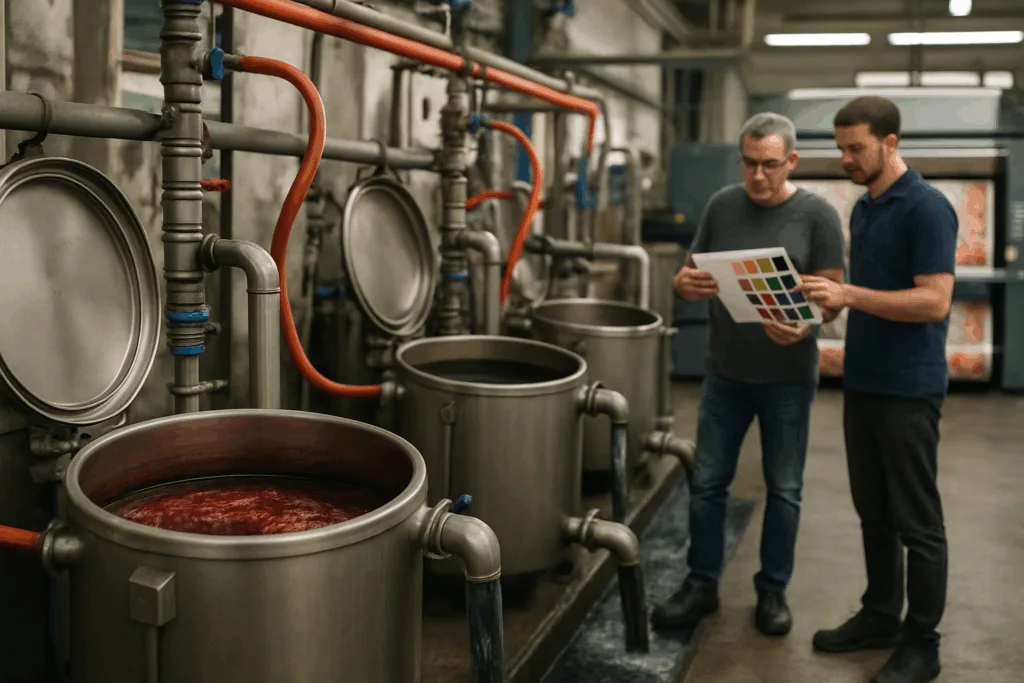
- Consistent Color: Buffered, low-mineral process water ensures dye uptake is even, with reduced shade variation between runs.
- No Residual Odor: Rigorous water treatment eliminates off-smells common in closed-loop facilities of yesteryear.
- Softness & Handfeel: High-efficiency rinsing (even with recycled water) yields towels as plush as conventionally supplied goods.
- Assured Compliance: Final products meet international standards—vital for export buyers and hospitality contracts.
Key Manufacturing Choices That Shape Water and Eco Footprint
Fiber Selection
Long-staple combed cotton and Egyptian/Turkish cotton absorb dye efficiently, reducing liquor-to-goods ratio and water demand. Bamboo viscose/cotton blends, popular in spa towels, further aid in creating quick-dyeing, soft, and moisture-wicking fabrics.
Weave & Construction
- Terry Loop Height/Density: Impacts how dye baths penetrate and how rinsing efficiency is achieved; low-twist loops yield plush softness and speedier dye uptake.
- Jacquard & Dobby Borders: Optimized to avoid uneven color pickup; skilled programming ensures elegant, durable contrast patterns.
Dye Selection and Application Method
- Yarn Dyeing: Ideal for stripes or woven logo towels. While offering vibrant, lasting color, it can increase water use unless water is recycled at every stage.
- Piece Dyeing: Standard for solid shades; best matched with low-liquor or continuous processes for water and chemical economy.
- Digital & Sublimation Printing: For custom logos, promotional, or beach towels. Minimal water use, with sublimation virtually eliminating liquid waste for microfiber base fabrics.
Finishing and Post-Dyeing Treatments
Specialized low-VOC softeners, enzyme washes (improving pilling and handfeel), and antimicrobial finishes can be delivered in final wet processing with recycled water. Automated washing controls lower water per kg and ensure all finishes remain compliant with OEKO-TEX requirements.
Wastewater Management: Beyond Compliance
Chemical Minimization at Source
Strict dosage controls, salt-free dyeing options, and real-time chemical monitoring keep wastewater low in toxicity and mineral load from the outset.
Advanced Effluent & Sludge Handling
Multi-stage effluent treatment ensures that water returns to the environment at or above local standards. Treated sludge byproducts are either safely handled per EPA guidelines or, in some innovative mills, upcycled for use as building materials.
Certification, Traceability, and Transparent Reporting
Brands like Circe Towel provide supply chain partners with transparent water and wastewater performance data, including:
- Batch-by-batch water use and recycling percentages on request
- Annual sustainability reports, confirming compliance with OEKO-TEX, ISO 14001, and customer-specific benchmarks
- Full traceability of raw materials, dye chemicals, and finishing agents—vital for green procurement
How Buyers Can Specify Sustainable Towel Dyeing
For B2B buyers—hotels, gyms, spas, or retailers—embedding water and wastewater standards into sourcing yields both bottom-line and reputational wins. Recommendations:
- Request product certifications (OEKO-TEX, GOTS, or comparable).
- Inquire about dyeing processes (low-liquor, salt-free, zero liquid discharge, etc.).
- Ask for water usage per kg versus industry baseline.
- Set colorfastness, absorbency, and softness KPIs tied to international testing protocols.
- Consider the ability to offer fully customized colors/patterns without added water or chemical burden.
Collaboration with manufacturers like Circe Towel ensures buyers receive towels that satisfy both technical and sustainability demands in one seamless partnership.
Challenges and the Path Ahead
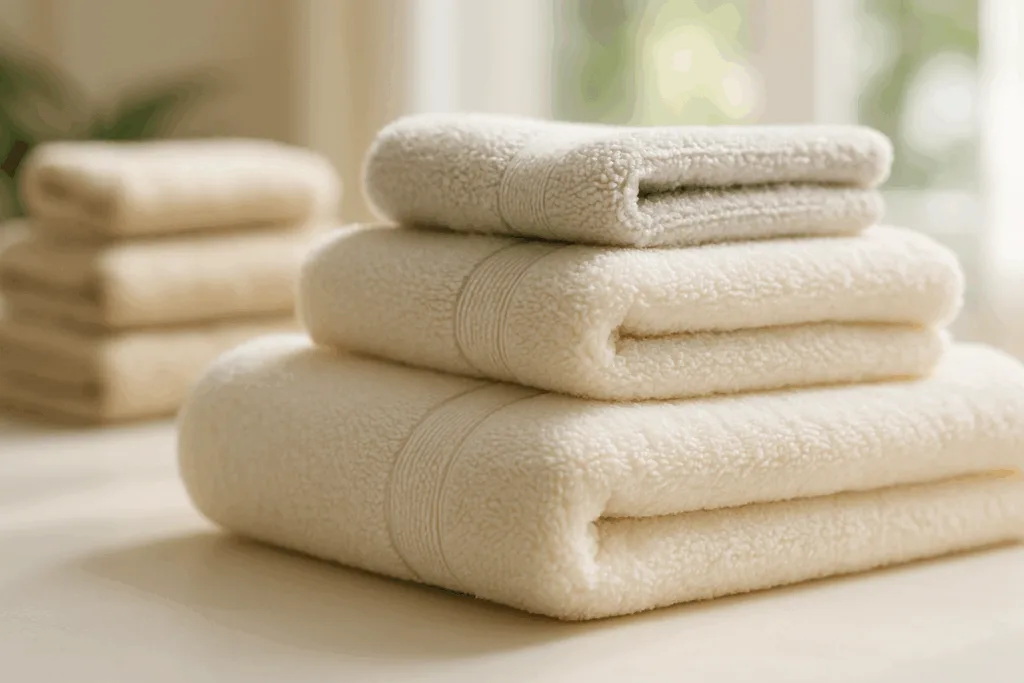
Water recycling and sustainable dyeing face hurdles: upfront equipment investment, skilled labor needs, and relentless demand for shade precision. However, with regulatory tightening and rising client expectations, the business case for responsible water management is undeniable.
Expert Takeaway: “By investing in closed-loop water systems and next-generation dyes, towel manufacturers not only comply with modern standards—they win the trust of global buyers prioritizing both product quality and environmental impact.”
Frequently Asked Questions
How does water recycling work in towel dyeing?
Water recycling in towel dyeing involves capturing used process water, treating it via filtration and biological systems to remove dyes and chemicals, and then reusing the cleaned water in subsequent dyeing or rinsing cycles, drastically reducing net consumption.
What technologies enable sustainable water management in dyehouses?
Key technologies include low-liquor dyeing machines, ultrafiltration and reverse osmosis systems, closed-loop rinse setups, and advanced effluent treatment with biological and chemical filtration, often supported by real-time water quality monitoring.
Is quality compromised when using recycled water for towel dyeing?
When properly managed, recycled water consistently delivers towels with uniform color, strong absorbency, and soft handfeel, matching or even surpassing those produced with fresh water, especially in advanced facilities like Circe Towel’s.
How does eco dyeing process differ from conventional dyeing?
Eco dyeing processes deploy salt-free dyes, low-water machinery, and energy-efficient cold or continuous dyeing, minimizing chemical input and water usage, while ensuring robust colorfastness and product performance.
What are standard certifications for ecological dyeing?
Certifications such as OEKO-TEX STANDARD 100, GOTS (for organic), and ISO 14001 certify material safety, input management, water usage, and overall sustainability of the manufacturing process.
How can buyers ensure towels are dyed sustainably?
Buyers should request third-party certifications, demand supply chain transparency, specify water and chemical use documentation, and partner with manufacturers committed to continual improvement in environmental management.