
Towel Quality Testing: What Brands Check Before Shipping
Every towel leaving a reputable manufacturer undergoes a series of meticulous tests, guaranteeing quality that endures from production to end use. Brands like Circe Towel ensure that each piece meets demanding QC standards for absorbency, softness, colorfastness, and durability—so hotels, spas, gyms, and households receive towels that both delight and last. Let’s break down the comprehensive towel QC process, reveal globally recognized towel testing standards, and decode why each criterion matters for buyers.
Why Quality Assurance Matters for Towels
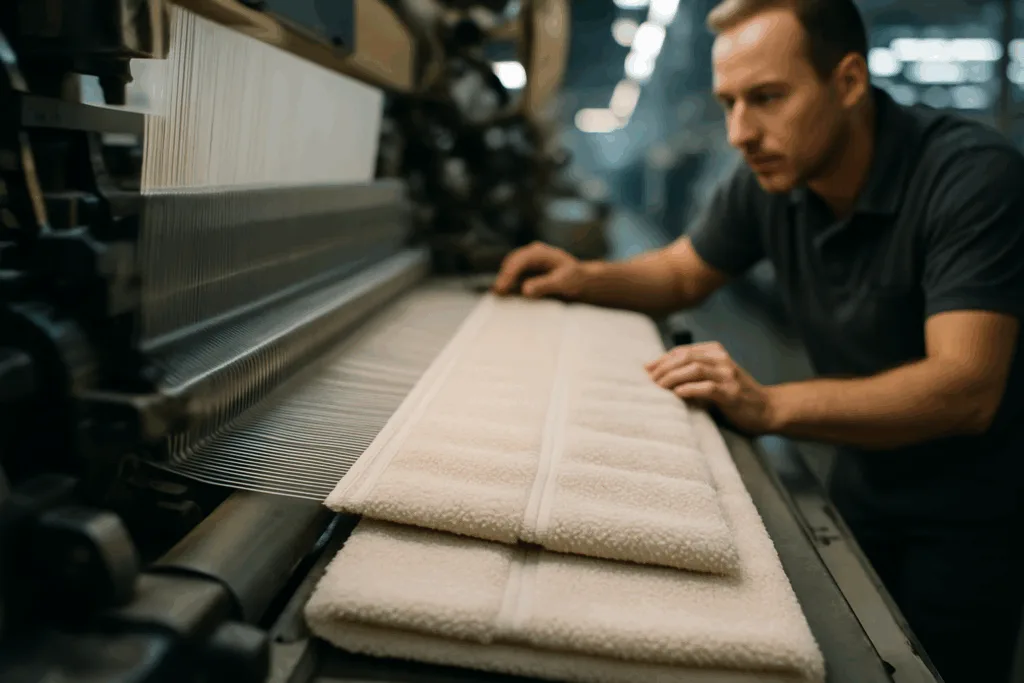
As daily essentials, towels endure repeated laundering and friction. Inferior quality shortcuts can lead to fading, shedding, hardening, or poor absorption, undermining guest experience and increasing replacement costs. Whether in luxury hospitality or B2B promotional programs, towel quality impacts brand trust, environmental sustainability, and long-term value.
Key Buyer Outcomes
- Immediate absorbency and enduring softness
- Vivid color retention after multiple washes
- Minimal linting and stable dimensions
- Reliable durability to minimize replacements
- Compliance with OEKO-TEX STANDARD 100 for chemical safety
Towel QC Process: Step-by-Step Overview
From fiber selection through final packaging, every step in the towel QC process is tracked and tested. Brands deploy sampling, finished product audit, and batch consistency controls to certify each shipment.
Incoming Material Inspection
- Fiber verification: Confirming long-staple cotton, Egyptian or Turkish cotton, bamboo viscose, or microfiber content per technical specs.
- Yarn integrity: Ring-spun or open-end spinning consistency checked for twist, tensile strength, and uniformity.
In-Process Quality Controls
- Loom monitoring: Checking loop height, density, selvage control, and pile ratio for consistent absorbency and handfeel.
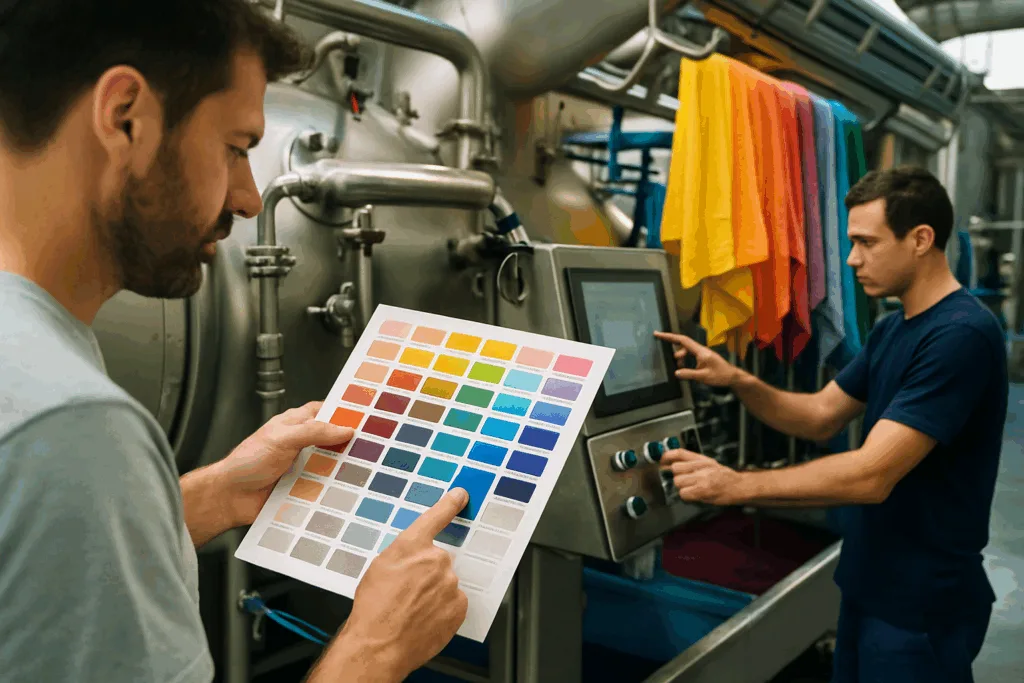
- Dyeing inspection: Real-time sampling for shade control and bulk color approval (reactive/vat dyeing per industry needs).
- Finishing checks: Surface smoothness, anti-pilling, pre-shrinkage, and softness evaluation through enzyme/silicone softener washes.
Final QC Testing Before Shipping
- Absorbency test (AATCC 79): Ensuring immediate and sustained water uptake.
- Vertical wicking test (AATCC 197): Tracking water movement through towel pile for rapid drying assessment.
- Colorfastness: To washing (AATCC 61), crocking/rubbing (AATCC 8), and chlorine (AATCC 162).
- Pilling resistance (ASTM D3512): Simulating abrasion to assess long-term surface stability.
- Snagging and lint shedding (ASTM D3939): Preventing thread pulls and excess lint during laundering.
- Tensile/seam strength (ASTM D1683/D5034): Confirming robust construction for hotel, gym, and spa settings.
- Dimensional stability: Measuring shrinkage across repeated washes (AATCC 135/150).
- Certification compliance: OEKO-TEX, GOTS (organic), and social audits.
Testing Standards for Absorbency, Colorfastness, Pilling, and Strength
Reputable towel manufacturers, including Circe Towel, follow international testing standards to deliver consistent, superior products. Each method isolates a critical aspect of towel performance:
| Fiber/Blend | Weave Style | GSM Range | Absorbency | Drying Time | Best Use |
|---|---|---|---|---|---|
| Long-Staple Combed Cotton | Terry, Zero-Twist | 550–700 | Superior | Moderate | Luxury Bath, Hotel |
| Egyptian/Turkish Cotton | Double Terry, Jacquard | 600–900 | High | Slow | Spa, Upscale Hospitality |
| Bamboo Viscose Blend | Terry, Waffle | 450–650 | Fast | Quick | Eco Spa, Baby |
| Microfiber (Polyester/Nylon) | Suede, Honeycomb | 180–300 | Rapid | Very Fast | Gym, Sports |
Absorbency Test: AATCC 79
AATCC 79 quantifies the time and volume a towel absorbs water—the essential metric for bath, spa, and gym settings. Towels are saturated and measured for uptake speed and capacity. Premium towels typically show <10 seconds for initial absorption and sustain high retention.
Vertical Wicking (AATCC 197)
This test evaluates how rapidly water moves vertically through a towel’s pile or flat surface, indicating how efficiently the towel dries after use—vital for gym and sports towels.
Colorfastness Protocols
- Washing: (AATCC 61) Towels washed repeatedly to confirm no visible fading.
- Crocking/Rubbing: (AATCC 8) Surface rubbed to check for bleed transfer.
- Chlorine: (AATCC 162) Used for pool/beach towels, confirming resistance in treated water.
Pilling Resistance: ASTM D3512
Mechanical tumbling simulates frequent laundering and use, revealing resistance to pilling—critical for lasting softness and premium presentation.
Snagging & Lint Shedding: ASTM D3939
Towels go through snag and lint tests to ensure loop structure resists pulls and minimal lint appears in laundry cycles.
Tensile Strength: ASTM D1683/D5034
Seam and fabric tensile tests gauge robustness, ensuring towels withstand rough handling in hotel and gym environments.
Dimensional Change: AATCC 135/150
Multiple wash cycles reveal shrinkage—premium towels should remain within a 3–5% tolerance after recommended water temperature exposure.
OEKO-TEX STANDARD 100 & GOTS Compliance
Top-tier towels meet strict controls for chemical content, allergy and skin safety, and environmental impact. Brands like Circe Towel maintain third-party certification for trusted B2B programs.
How Fiber, Weave, GSM, and Finish Shape Towel Performance
Towel composition drives every touchpoint—absorbency, softness, longevity, and even the feel after laundering. We break down the technical impact of major choices:
Fiber Selection
- Long-staple combed cotton: Delivers plushness and moisture draw with less lint.
- Egyptian/Turkish cotton: Higher absorbency for luxury experiences.
- Bamboo viscose/cotton blends: Boost softness and eco profile.
- Microfiber: Rapid drying, ultralight for active/sports users.
Weave & Construction Variants
- Terry loop: Classic for bath; higher loop density boosts water uptake.
- Zero-twist/low-twist: Maximize softness, reduce hardening after washes.
- Jacquard/Dobby borders: Add durability and visual accent.
- Waffle/Honeycomb knit: Fast-dry, lightweight, ideal for travel or gym.
GSM (Grams per Square Meter)
Higher GSM signals denser, lusher towels. Typical bath towels: 450–700 gsm; bath sheets: 600–900 gsm; beach/gym towels: 180–550 gsm. Balancing GSM keeps towels soft but not bulky.
Finishing and Softening
- Enzyme wash removes natural impurities and softens fibers.
- Silicone softeners enhance handfeel—especially vital for spa or baby lines.
- Low-VOC finishing ensures safety and eco compliance.
- Pre-shrink/compaction washes stabilize size for embroidery or logo placement.
Impact on Buyer Outcomes
Expert Takeaway: “Selecting the right fiber and weave for your application, then confirming absorbency and durability through recognized testing, guarantees towels delight users from the first touch to the hundredth laundry.”
Towel Testing Standards in Practice
Producers such as Circe Towel implement real-world testing aligned to customer profiles, plus tailored QC controls for OEM/ODM orders:
- Bulk sampling: Random towel pulls by lot ensure batch consistency.
- Pre-production (PP) and top-of-production (TOP) sample verification: Buyer review of actual output pre-shipment.
- Final packed unit check: Inspection of packing, labeling, and presentation against spec sheets.
- Logistics documentation: Detailed reporting connects test data to shipment records—vital for B2B tracking.
Popular Testing Labs and Outsourcing Partners
- SGS, Intertek, Bureau Veritas for independent verification
- OEKO-TEX accredited labs for STANDARD 100 and GOTS audits (reference)
Towel Quality Testing: What Brands Check Before Shipping
Every shipment must clear contractually defined quality thresholds, typically reflected in buyer technical packs and brand performance guarantees. Circe Towel, for example, cross-references in-house absorbency, strength, pilling, and colorfastness results with global benchmarks, offering custom reports and certifications for each client.
Minimum Quality Benchmarks per Category
- Face towel: >350 gsm, <10 sec absorbency, <3% shrinkage
- Bath towel: >550 gsm, <15 sec absorbency, colorfast to grade 4 (ISO scale)
- Beach/sports towel: rapid dry (wicking <120 min), lint grade >85%
- Promotional towel: visual logo accuracy, verified border and loop integrity
- Hotel/spa: all above, plus OEKO-TEX compliance and custom embroidery location resilience
Final Quality Documentation
Each lot receives a signed QC report summarizing all key metrics—absorbency rate, tensile strength, colorfastness grades, pilling index, and compliance certifications. Top brands share these with buyers pre-shipment, enabling clear, trusted receiving.
Packaging, Compliance, and Sustainable Logistics
Towel packaging aims to protect and present: belly bands, sleeves, ribbon wraps, or branded vacuum packs. Circe Towel provides compostable packaging options per B2B sustainability requests. Every carton includes unit count checks, carton dimensions, and Incoterms (EXW, FOB, CIF, DDP) for transparent logistics. Audit reports track the towel’s journey and condition, supporting modern sustainability goals.
Compliance and Responsible Sourcing
- OEKO-TEX STANDARD 100 for chemical safety (oeko-tex.com)
- BSCI, WRAP, SEDEX social audits for factory operations
- REACH, Prop 65 chemical conformity for export markets
- GOTS for organic and eco-labeled collections
Optimizing Towel Performance: Customization for End Use
Brands and OEM/ODM partners tailor towel specs by usage scenario:
- Hotels: Prefer long-staple high-GSM combed cotton for plushness and longevity.
- Gyms/Spas: Opt for quick-dry microfiber or bamboo blends, enhanced pilling/snag resistance.
- Baby: Ultra-soft finishes, dense weave, and certified chemical safety.
- Promotional: Visual clarity, sturdy logo border, compliance for mass events.
- Retail: Colorfast garment dye, premium handfeel, eco packaging.
Next Steps for Buyers: What to Specify in Your Towel QA Protocol
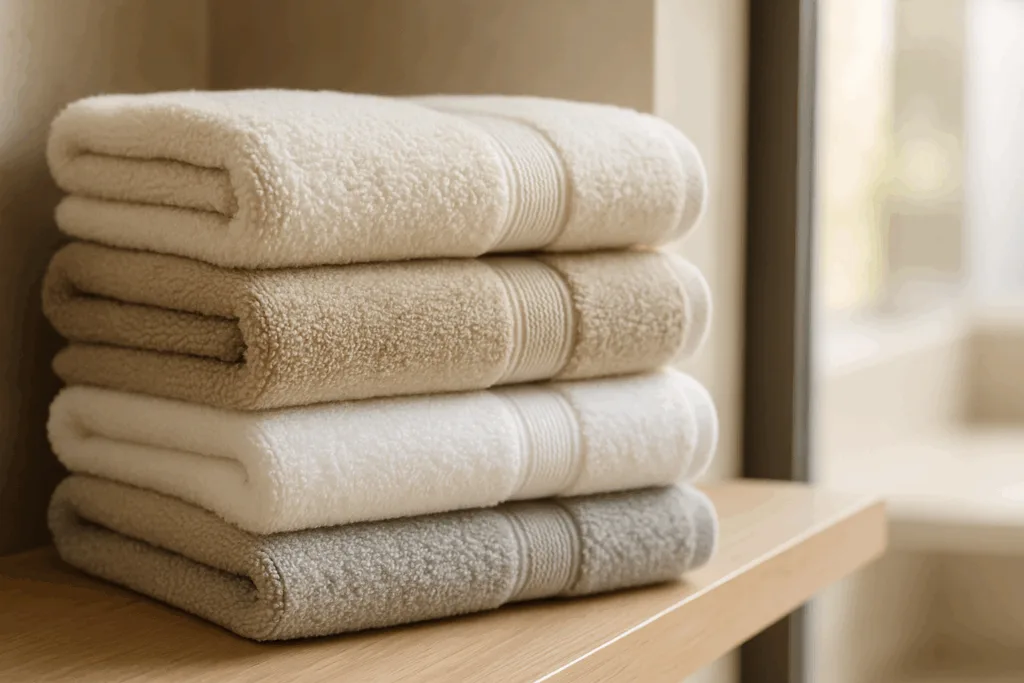
For assured quality, buyers should demand detailed technical packs outlining fiber blend, weave, GSM, dyeing/finishing, colorfastness grade, absorbency timing, dimensional stability, pilling resistance, seam strength, linting index, and compliance certifications. Pre-approval sampling and top-of-production checks remain vital for bulk verification and real-world satisfaction.
- Request a full test and compliance report for each batch
- Align intended towel use to recommended fiber, weave, finishing, and GSM specs
- Choose partners like Circe Towel who offer transparent QC, sustainability, and customization for every towel category
Frequently Asked Questions
What is the towel QC process before shipping?
The towel QC process covers fiber verification, loom/pile assessment, dye shade approval, absorbency and durability testing, colorfastness checks, pilling/snag resistance, and packing inspection for every shipment.
Which testing standards are followed for towel absorbency?
The AATCC 79 absorbency test is the standard, measuring initial and sustained water uptake time. Many brands also use vertical wicking tests for sports and gym towels.
How do brands test for towel colorfastness?
Towels are washed (AATCC 61), rubbed (AATCC 8), and exposed to chlorine (AATCC 162) to confirm colorfastness, preventing fading or bleed during use and laundering.
What is pilling resistance and why is it important?
Pilling resistance (ASTM D3512) shows how well a towel withstands repeated friction without developing lint balls or rough spots. It’s vital for long-term softness and a premium look.
Which compliance certifications are important for towels?
OEKO-TEX STANDARD 100 ensures chemical safety; GOTS covers organic textiles. Major brands also comply with BSCI, WRAP, SEDEX, and meet REACH requirements for export.
What quality benchmarks do hotels and spas require in towels?
Hotels and spas specify long-staple combed cotton, high GSM (>550), rapid absorbency, minimal shrinkage, robust seam strength, vivid colorfastness, and OEKO-TEX compliance.