
For a professional car wash, auto detailing studio, dealership service center, or 4S shop, towels are not just cleaning accessories. They affect drying speed, paint safety, labor efficiency, customer experience, and even how premium your service looks after the final wipe.
A low-grade towel may look cheap on the invoice, but it can become expensive in daily operation. It may leave lint on glass, drag across paint, absorb too little water, lose softness after washing, or require staff to use several towels for one vehicle. For businesses handling multiple cars every day, those small problems become real costs.
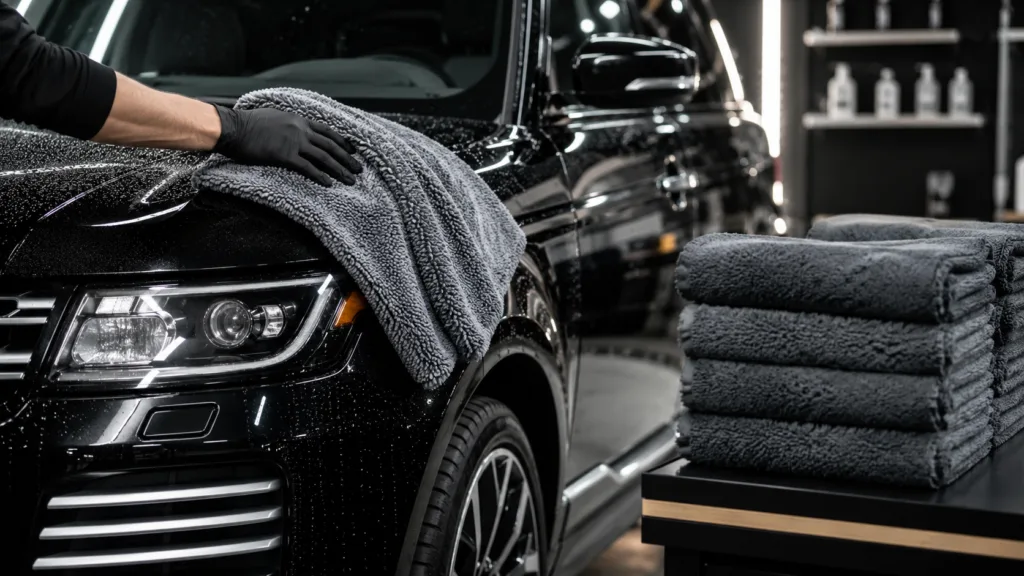
That is why more professional buyers are choosing twisted loop microfiber towels for car drying and exterior finishing. Compared with ordinary microfiber towels, a twisted loop towel is built for higher water pickup, smoother movement across paint and glass, and faster drying over large vehicle surfaces.
This guide is written for commercial buyers: car wash chains, auto detailing businesses, dealerships, automotive product distributors, car care brands, and wholesale buyers who need stable quality, repeat orders, and custom packaging options.
What Is a Twisted Loop Microfiber Towel?
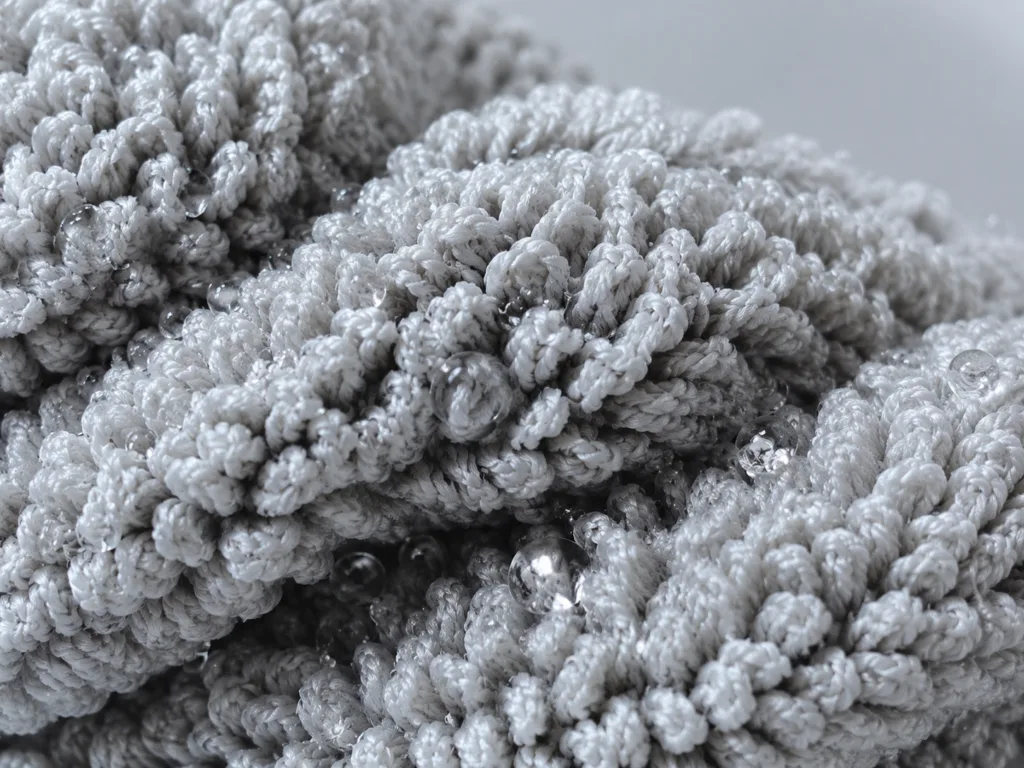
A twisted loop microfiber towel is a drying towel made with looped microfiber yarns that are twisted during construction. These twisted loops create more surface contact and allow the towel to pull water from paint, glass, chrome, and trim more efficiently.
The structure is different from a common short-pile microfiber cloth. A basic microfiber towel can work well for general wiping, interior dust removal, or light cleaning. But for drying a washed vehicle, especially a large SUV, pickup truck, van, or dealership display car, twisted loop construction offers a stronger advantage.
The key benefit is simple: more water absorption with fewer passes.
For professional users, that matters. Fewer passes mean less friction on paint, faster service time, less towel consumption per vehicle, and a cleaner final result. For a car wash business, this can help improve workflow. For a detailing studio, it helps protect the finish after washing, polishing, waxing, or ceramic coating.
Why Professional Car Wash Buyers Prefer Twisted Loop Towels
A retail customer may buy one towel for personal car care. A commercial buyer thinks differently. You need towels that perform consistently across hundreds or thousands of uses.
Professional buyers usually care about five things:
- Absorbency
- Paint safety
- Durability after repeated washing
- Cost per use
- Customization and packaging for brand presentation
Twisted loop microfiber towels are popular because they solve several of these problems at the same time.
For car wash operators, drying speed is directly linked to throughput. When staff can dry a car faster, the business can serve more vehicles during peak hours. For auto detailing shops, softness and scratch-free performance are more important because clients often own higher-value vehicles. For dealerships and 4S shops, a clean, streak-free finish helps improve the appearance of cars in showrooms, delivery areas, and service centers.
A good twisted loop towel should feel soft but not weak, thick but not slow-drying, absorbent but not too heavy for workers to use all day. The balance depends on fiber blend, GSM, towel size, edge finish, and production quality.
Fabric Composition: Polyester, Polyamide and Split Microfiber
Most quality microfiber towels use a blend of polyester and polyamide. Polyester provides structure, durability, and cleaning ability. Polyamide improves softness and absorbency.
Common blends include:
- 80/20 polyester/polyamide
- 70/30 polyester/polyamide
For commercial car care towels, 80/20 is widely used because it balances cost, strength, and absorbency. A 70/30 blend usually feels softer and absorbs better, but the cost is higher. For premium detailing towels or private label products, 70/30 can be a better choice. For large-volume car wash use, 80/20 is often more practical.
Buyers should avoid choosing towels only by appearance. Two towels may look similar in photos, but perform very differently after washing. Low-quality microfiber may feel soft at first but become rough, shed fibers, bleed color, or lose absorbency after repeated laundering.
For wholesale orders, ask your supplier to confirm:
- Fiber blend
- GSM
- Size tolerance
- Edge type
- Color fastness
- Shrinkage after washing
- Lint control
- Packaging method
- Sample availability before bulk production
For mature buyers, the goal is not simply to buy the cheapest towel. The goal is to buy a towel that performs reliably at scale.
Why Absorbency Matters in Commercial Car Drying
Absorbency is the heart of a car drying towel.
After washing, water left on paint can create water spots, streaks, mineral marks, and extra rework. In busy car wash environments, staff may not have time to go over the same panel again and again. A high-absorbency towel reduces the number of wiping passes and helps produce a cleaner finish faster.
Twisted loop microfiber is especially suitable for:
- Final drying after car wash
- Drying large panels such as hood, roof, doors, and trunk
- Removing rinse water from glass
- Reducing water spots before delivery
- Finishing vehicles after detailing service
- Preparing showroom cars before customer viewing
However, absorbency is not only about GSM. A very heavy towel is not always the best towel. Construction, yarn quality, fiber splitting, towel density, and drying speed after washing all matter.
For example, an 800 GSM towel with poor fiber quality may perform worse than a well-made 600 GSM twisted loop towel. This is why samples are important. A serious supplier should be willing to provide sample towels for checking hand feel, water absorption, lint level, stitching, edge finish, and washing performance.
GSM Guide for Twisted Loop Microfiber Towels
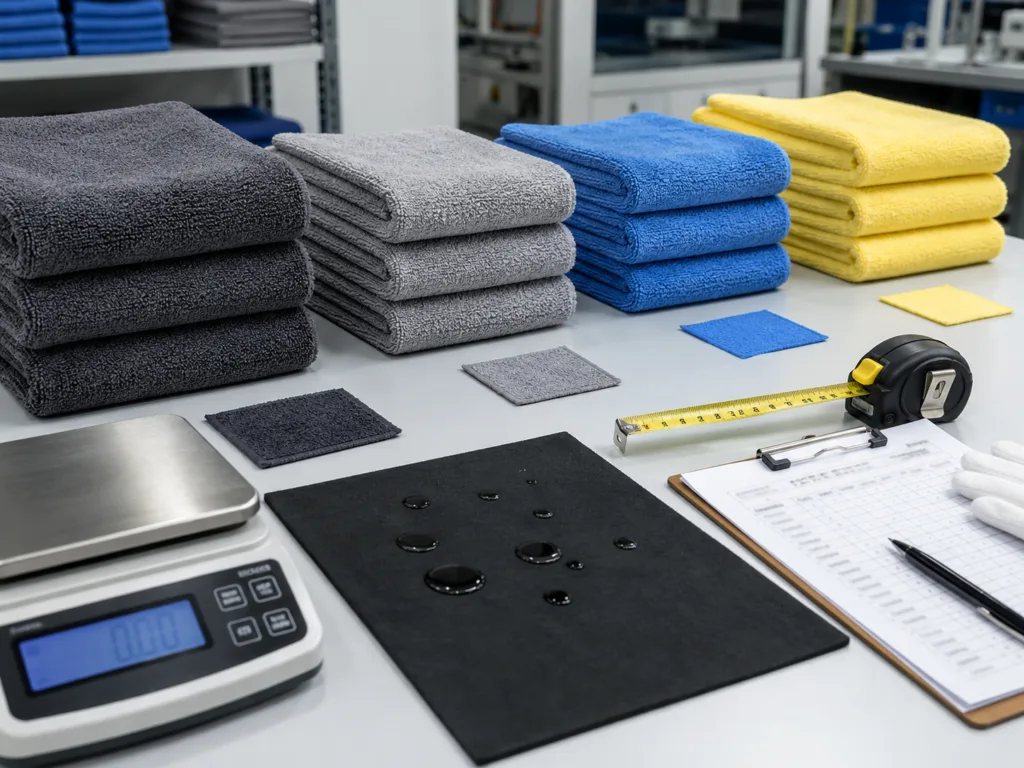
GSM means grams per square meter. It shows the fabric weight and density. For car care towels, GSM helps buyers understand thickness, absorbency, and usage scenario.
Here is a practical guide for B2B buyers:
400–500 GSM: Lightweight Commercial Use
This range is suitable for basic car wash drying, quick wiping, and large-volume use where price control is important. It is easier to wash and dry, which can help businesses with daily laundry cycles.
Best for:
- High-volume car wash centers
- Budget-friendly drying towels
- Fleet cleaning
- General exterior wiping
500–700 GSM: Balanced Professional Choice
This is a strong choice for many car wash and detailing businesses. It offers better absorbency without becoming too heavy. For most wholesale buyers, this range provides a good balance between cost, drying performance, and worker comfort.
Best for:
- Professional car wash businesses
- Auto detailing shops
- Dealership service departments
- Regular drying and finishing
700–900 GSM: Premium Drying Performance
This range is more suitable for premium drying towels. It feels thicker, absorbs more water, and works well for detailing studios and car care brands that want a more professional product.
Best for:
- Premium auto detailing
- Ceramic coating shops
- Luxury car care
- Private label retail products
- Gift sets or premium car care kits
900 GSM and Above: Heavy-Duty Premium Towels
Very high GSM towels can absorb a large amount of water, but they are heavier and may take longer to dry after laundering. They are better for premium use rather than high-speed car wash operations where fast washing and drying cycles are important.
Best for:
- Large vehicle drying
- Premium car drying towel products
- Retail car care brands
- High-end detailing customers
For bulk buyers, the best GSM depends on the business model. A car wash chain may prefer 500–700 GSM for daily efficiency. A detailing brand may prefer 700–900 GSM for a more premium experience.
Best Sizes for Car Wash and Auto Detailing
Size is another important decision. Larger towels dry faster across big panels, but smaller towels are easier to control and replace.
Common sizes include:
40 x 40 cm
A compact size for smaller tasks. It is suitable for spot wiping, interior areas, glass, trim, and finishing work. It is not the most efficient size for drying an entire car, but it is useful as part of a full towel system.
40 x 60 cm
A practical size for car wash businesses. It is easier for workers to handle and can be used for drying doors, windows, side panels, and smaller cars.
50 x 80 cm
One of the most popular sizes for professional drying. It offers a larger drying surface while still being easy to fold and control. Good for car wash centers, detailing studios, and dealership teams.
60 x 90 cm
A large drying towel for SUVs, trucks, vans, and high-efficiency drying. It can cover bigger panels quickly, but may feel too large for some workers if used all day.
70 x 100 cm or Larger
These sizes are more suitable for premium drying towels, retail car care products, or specialty detailing use. They have strong presentation value but may not be necessary for every commercial operation.
For wholesale orders, buyers can choose one main drying size and add smaller towels for glass, interior, or polishing. This creates a more complete car care towel program.
Edge Type: Small Detail, Big Difference
The towel edge is often ignored by buyers, but it matters for paint safety.
Common edge types include:
Overlock Edge
This is common and cost-effective. It is strong and suitable for general commercial use. However, for delicate paint or premium detailing, some buyers may prefer a softer edge.
Silk Edge
A silk edge gives a cleaner look and softer touch. It can be used for mid-range and premium car care towels.
Edgeless
Edgeless towels are popular in professional detailing because they reduce the risk of edge friction on paint. For premium twisted loop microfiber towels, edgeless construction can help improve product positioning.
Hidden Edge or Soft Border
Some premium drying towels use a hidden edge or soft microfiber border to improve paint safety and product appearance.
For car wash chains, overlock or silk edge may be enough. For detailing studios and automotive brands, edgeless or soft border options are more attractive.
Application Scenarios for Different Buyers
Car Wash Businesses
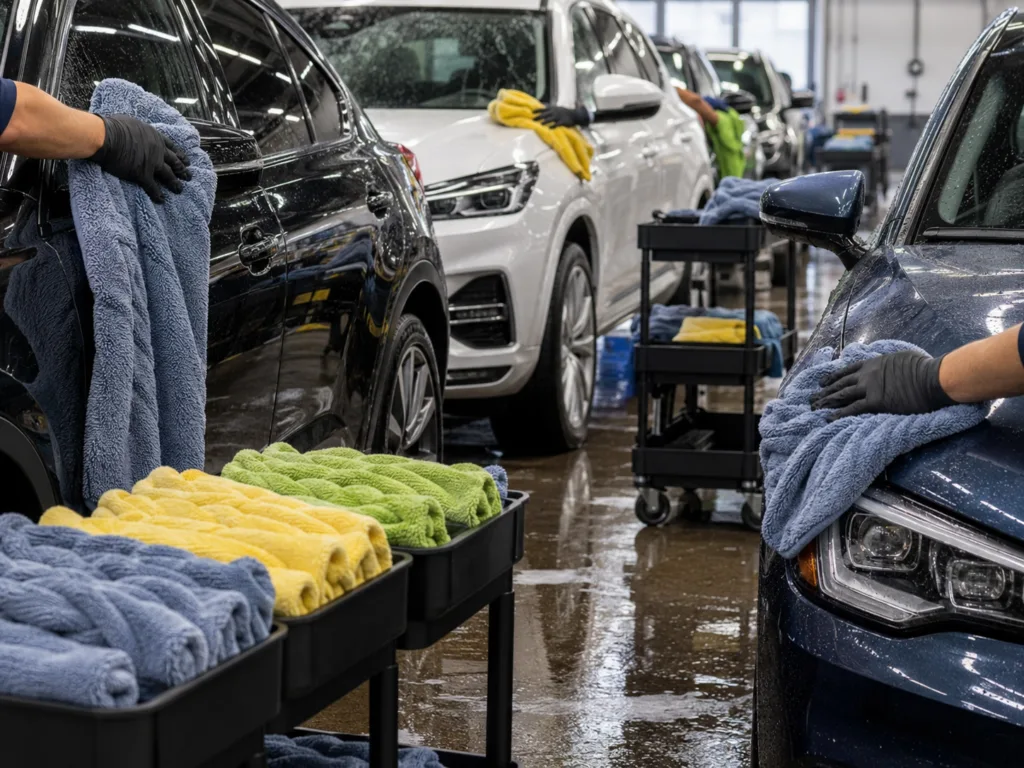
Car wash operators need towels that dry quickly, survive repeated washing, and keep labor moving. A balanced GSM, stable color, and durable stitching are important.
Recommended focus:
- 500–700 GSM
- 40 x 60 cm or 50 x 80 cm
- 80/20 blend for cost control
- Color-coded towel system
- Bulk carton packing
Auto Detailing Shops
Detailers work with more sensitive paint surfaces and higher customer expectations. They need towels that feel soft, absorb well, and do not leave lint.
Recommended focus:
- 700–900 GSM
- 50 x 80 cm or 60 x 90 cm
- 70/30 or premium 80/20 blend
- Edgeless or soft border
- Premium packaging or private label
Dealerships and 4S Shops
Dealerships need clean vehicles for display, customer delivery, test drives, and after-service washing. Towels must be reliable, easy to manage, and professional-looking.
Recommended focus:
- 500–700 GSM
- Grey, blue, or dark colors for daily use
- Custom logo or woven label
- Bulk packaging for service teams
- Separate towels for exterior, glass, and interior
Automotive Product Brands
Car care brands need towels that look retail-ready. Packaging, label design, color consistency, and product story become more important.
Recommended focus:
- 700 GSM and above
- Custom color
- Woven label or heat transfer label
- Hang tag, paper card, belly band, or box packaging
- Barcode and retail carton support
Distributors and Wholesalers
Distributors need repeatable quality, stable supply, and clear specification tiers. A good supplier should help create low, mid, and premium product options.
Recommended focus:
- Multiple GSM options
- Standard sizes in stock
- Private label packaging
- Fast sample support
- Export carton and pallet-friendly packing
Color Strategy for Commercial Car Care
Color is not just a style choice. In professional environments, color helps organize work and reduce cross-use between dirty and clean areas.
A simple system can be:
- Blue: exterior drying
- Grey: polishing or finishing
- Yellow: interior cleaning
- Green: glass
- Black: wheels and dirty areas
This helps staff avoid using the same towel on wheels and paint. For car wash chains and detailing shops, color coding can improve workflow and reduce risk.
For private label brands, color should match brand identity. Popular choices include grey, dark blue, black, navy, and dual-tone designs. Premium buyers often prefer understated colors because they look more professional in retail packaging.
Packaging Options for Wholesale and Private Label Orders
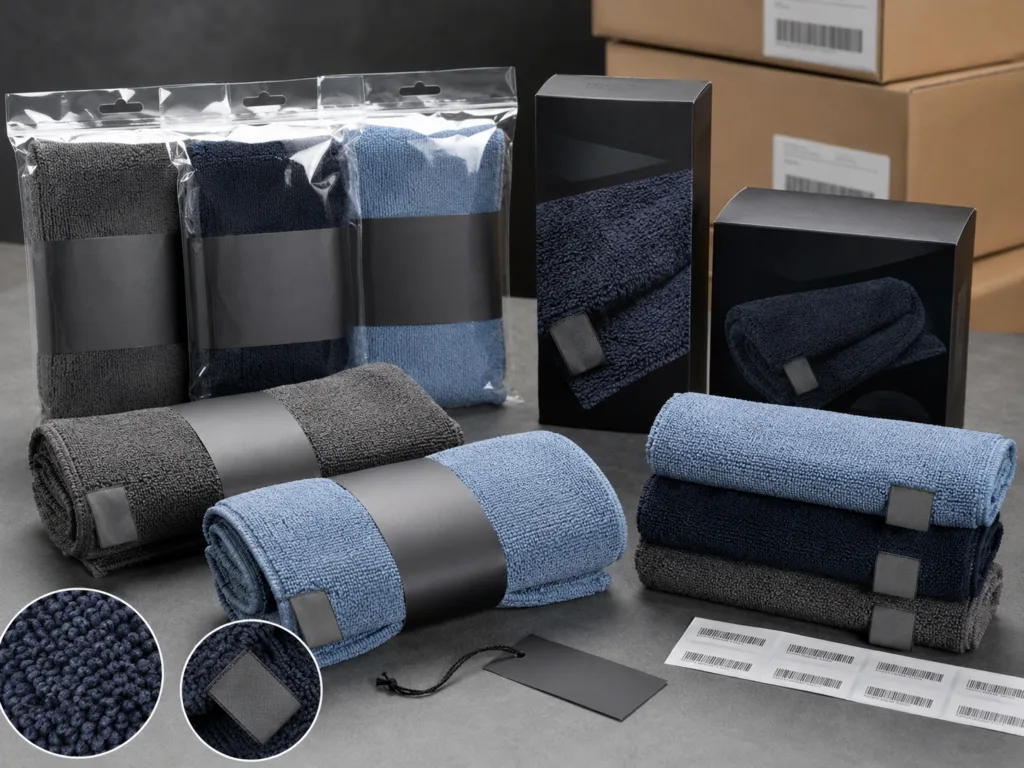
Packaging should match the sales channel.
For internal car wash use, simple bulk packing is usually enough. For retail car care products, packaging is a major part of perceived value.
Common packaging options include:
- Individual polybag
- Bulk polybag
- Paper belly band
- Insert card
- Hang tag
- Header card
- Woven label
- Printed care label
- Retail box
- Car care kit packaging
- Export carton with shipping marks
For Amazon sellers, automotive stores, dealership gift programs, or car care brands, packaging should also consider barcode placement, product information, washing instructions, country of origin, carton size, and shelf presentation.
For distributors, carton packing must be easy to count, store, and ship. A clear packing method reduces warehouse mistakes and improves reorder efficiency.
Quality Control Checklist Before Bulk Ordering
Before placing a large order, buyers should test samples carefully. Do not approve bulk production based only on photos.
A practical sample checklist includes:
- Does the towel absorb water quickly?
- Does it glide smoothly on paint and glass?
- Does it leave lint after wiping?
- Does the edge feel safe for car paint?
- Does the towel smell clean after unpacking?
- Does the color bleed after washing?
- Does the towel shrink or deform?
- Does it stay soft after repeated washing?
- Is the size within acceptable tolerance?
- Is the stitching clean and stable?
- Is the packaging suitable for your channel?
For large orders, buyers should also confirm carton quantity, gross weight, carton dimensions, shipping marks, and production lead time.
How to Wash and Maintain Microfiber Towels in Commercial Use
Even the best towel can perform poorly if washed incorrectly. Car wash businesses and detailing teams should train staff on microfiber care.
Basic care suggestions:
- Wash microfiber towels separately from cotton towels
- Avoid fabric softener
- Avoid bleach
- Use mild detergent
- Wash dirty wheel towels separately
- Dry at low heat or air dry
- Do not iron
- Store clean towels away from dust and chemicals
Fabric softener can reduce absorbency because it coats the fiber surface. High heat can damage microfiber. Mixing towels used for wheels, grease, or heavy dirt with paint-safe towels can increase the risk of scratches.
For commercial buyers, towel care affects cost per use. A towel that lasts longer and keeps absorbency after repeated washing provides better value than a cheaper towel that fails quickly.
Wholesale Customization Options
For wholesale twisted loop microfiber towels, customization can help your business build a stronger brand image.
Available custom options may include:
- Custom size
- Custom GSM
- Custom color
- Custom fiber blend
- Logo embroidery
- Woven label
- Care label
- Heat transfer logo
- Hang tag
- Paper card packaging
- Private label polybag
- Retail box packaging
- Export carton customization
For car wash chains and dealerships, a small woven label or branded packaging can make supplies look more professional. For car care product brands, private label packaging is essential for retail sales.
If you are testing a new product line, starting with available stock samples is a smart first step. You can test absorbency, hand feel, size, and customer response before confirming a larger customized order.
Why Samples Matter Before Large Orders
A good towel supplier should not push buyers to order blindly.
For professional buyers, sample testing is part of the sourcing process. It helps you compare GSM, size, texture, edge finish, water absorption, and packaging before placing a bulk order.
We have available stock samples and can arrange sample shipment for buyers who want to test twisted loop microfiber towels before placing a large order. This is especially useful for car wash operators, detailing studios, automotive distributors, and private label brands that need to confirm quality before moving forward.
Sample testing can help answer important questions:
- Is this towel absorbent enough for our drying process?
- Is it soft enough for paint-safe use?
- Is the size comfortable for our team?
- Does the towel fit our brand positioning?
- Should we choose 500 GSM, 700 GSM, or 900 GSM?
- Do we need custom packaging for retail sales?
For serious buyers, samples reduce risk and make bulk purchasing more confident.
How to Choose a Reliable Twisted Loop Microfiber Towel Supplier
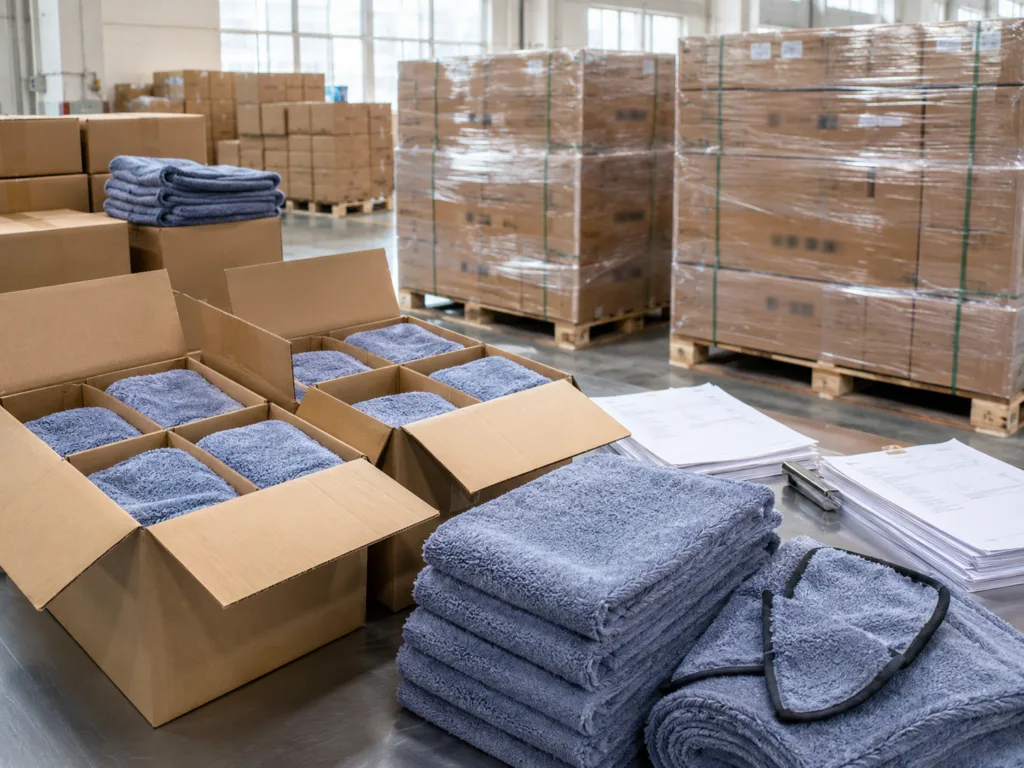
A reliable supplier should understand both textile production and car care usage. The best supplier is not only the one with the lowest price, but the one who can help you avoid wrong specifications, unstable quality, and poor packaging decisions.
When choosing a supplier, ask:
- Can you provide available samples?
- Can you support bulk wholesale orders?
- Can you customize GSM, size, color, and packaging?
- Can you provide stable quality across repeat orders?
- Can you control lint, color bleeding, and edge quality?
- Can you support private label packaging?
- Can you prepare export cartons for international shipping?
- Can you recommend specifications based on my business type?
For mature buyers, supplier communication is also important. A good supplier should help you choose the right towel for your use case instead of simply quoting the cheapest option.
Final Recommendation for Bulk Buyers
For most car wash and auto detailing businesses, a 500–700 GSM twisted loop microfiber towel in 40 x 60 cm or 50 x 80 cm is a strong starting point. It gives good absorbency, practical handling, and reasonable cost for daily use.
For premium detailing studios, automotive product brands, and private label retail programs, a 700–900 GSM twisted loop drying towel with edgeless or soft border construction can create a more premium experience.
For dealerships and 4S shops, color-coded towel systems can help organize service areas and reduce misuse between exterior, interior, glass, and wheel cleaning.
The right towel should not only dry cars well. It should support your workflow, protect vehicle surfaces, reduce rework, and strengthen your brand image.
If you are sourcing wholesale twisted loop microfiber towels for car wash, auto detailing, dealership service, or automotive product distribution, we can support stock samples, bulk orders, custom size, GSM, color, logo, and packaging options.
Available samples can be shipped for testing. You are welcome to try the product before confirming your large order.
FAQ
1. What are twisted loop microfiber towels mainly used for?
Twisted loop microfiber towels are mainly used for car drying. Their looped microfiber structure helps absorb water quickly from paint, glass, chrome, and trim, making them ideal for car wash businesses, auto detailing shops, dealerships, and 4S service centers.
2. What GSM is best for car wash microfiber towels?
For daily commercial car wash use, 500–700 GSM is usually a practical choice. It balances absorbency, cost, handling, and drying speed after laundering. For premium detailing or private label retail products, 700–900 GSM can create a thicker and more premium feel.
3. Can twisted loop microfiber towels be customized?
Yes. Twisted loop microfiber towels can be customized by size, GSM, color, edge type, logo label, hang tag, paper card, polybag, retail box, and export carton packing. Custom options depend on order quantity and production requirements.
4. Can I order samples before placing a bulk order?
Yes. Stock samples are available and can be shipped for testing. Buyers can check absorbency, softness, lint level, size, edge finish, and washing performance before confirming wholesale or private label orders.