
A Comprehensive Guide to Towel GSM: Weight, Quality, and Application
For buyers and hospitality professionals, understanding GSM in towels is crucial to selecting the right product for any use case. GSM, or grams per square meter, directly determines a towel’s absorbency, softness, durability, and even its drying time. With options ranging from 300GSM lightweight towels to ultra-plush 900GSM bath sheets, choosing wisely means balancing performance with practicality—especially when purchasing for hotels, spas, gyms, or retail programs.
Understanding GSM in Towels: Weight, Quality, and Usage
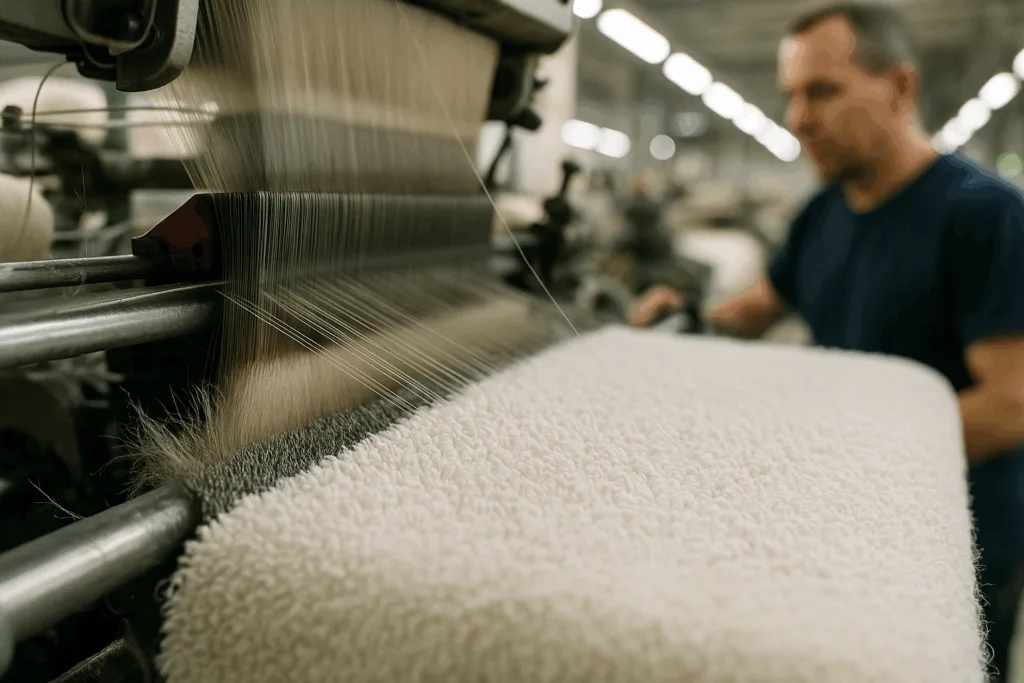
GSM (grams per square meter) measures the density and weight of towel fabric. A higher GSM generally means a thicker, heavier, and more absorbent towel. However, optimal GSM values vary by towel type and intended use. Choosing the right GSM ensures guests and end-users enjoy the expected experience, while property managers and retailers benefit from longer-lasting performance, faster turnaround times, and controllable costs.
What Is GSM and Why Does It Matter?
GSM is the global standard for towel weight. It expresses as the mass of one square meter of fabric. For towels, typical GSM values range from 300 to 900:
- Lower GSM (300–450): Lighter, quicker-drying, most suitable for gym, sports, or fast turnover hospitality settings.
- Midweight GSM (450–600): Balances absorbency and manageability. Favored for guest bath and hand towels.
- High GSM (600–900): Ultra-soft, plush, premium bath linens with maximum absorbency. Ideal for luxury hotels and spas.
Factors such as fiber type, weave, pile height, and finishing also influence how towels perform at the same GSM. That’s why precise GSM control is just one element of producing exceptional towels for every use.
How GSM Influences Towel Performance
Absorbency and Drying Speed
Heavier towels (600GSM+) absorb more moisture, perfect for post-bath comfort. Lighter towels (300–400GSM) dry rapidly, supporting fast-paced hospitality turnovers or gym use.
Softness and Bulk
Premium fibers—like long-staple combed cotton and specialized blends (Egyptian, Turkish, or bamboo viscose)—deliver softness throughout the GSM spectrum. However, higher GSM paired with low-twist terry loops and finishing treatments elevates tactile luxury.
Durability and Laundering
Midweight towels (450–600GSM) withstand repeated commercial laundering cycles, resisting fraying or thinning. Proper GSM control and advanced finishes enhance resistance to pilling, shrinkage, and color loss.
400GSM vs 600GSM: Which Is Right for You?
| Towel Type | GSM Range | Absorbency | Drying Time | Typical Fiber/Weave | Best For |
|---|---|---|---|---|---|
| Sports/Gym | 300–450GSM | Good | Very Fast | Microfiber, combed cotton | Gyms, pools, travel |
| Bath/Hand Towel | 450–600GSM | Very Good | Moderate | Ring-spun cotton, terry loop | Hotel rooms, spas |
| Luxury Bath Sheet | 600–900GSM | Exceptional | Slow | Long-staple cotton, zero-twist | Luxury hotels, resorts |
| Beach Towel | 350–600GSM | Good–Very Good | Fast–Moderate | Yarn-dyed cotton, sheared velour | Beaches, promotions |
Direct Comparison
- 400GSM Towel: Lightweight, compact, dries fast. Ideal for gym, pool, or quick guest turnover. Lower shipping cost due to reduced bulk.
- 600GSM Towel: Thicker, denser, feels plusher and absorbs more. Suits upscale guest bathrooms or spa lounges. Takes longer to dry; requires robust laundering equipment.
Choosing GSM by Towel Application
Hotels and Hospitality
Hotels favor mid- to high-GSM towels (450–700) for bath and hand use, balancing guest luxury with laundromat efficiency. Face towels often use 300–500 GSM to ensure quick changes and lower operating costs. Circe Towel, as a leading OEM/ODM manufacturer, standardizes weights to client brand positioning and guest expectations, with rigorous bulk color and dimensional stability checks.
Beach and Pool
Beach towels typically range from 350 to 600 GSM. Lower weights maximize portability and quick drying; heavier variants boost comfort and visual impact for resort merchandising. Sublimation or digital print techniques, perfected by suppliers like Circe Towel, deliver vivid, fade-resistant artwork regardless of GSM.
Gyms and Sports
Facilities demanding fast-drying, easy-to-launder towels overwhelmingly select 300–400 GSM microfiber or combed cotton options. Low-bulk and efficient wicking properties are essential for operational turnover.
Luxury and Spa
Premium spa environments specify 600–900 GSM towels for an immersive, indulgent feel. Long-staple Egyptian or Turkish cotton, frequently with double terry loops, creates enveloping softness and absorbency that stands up to repeated use and stringent laundering protocols.
Technical Mastery: Controlling GSM During Towel Manufacturing
Spinning and Yarn Selection
GSM precision starts with fiber selection and spinning technology. Long-staple, ring-spun cotton produces smoother, stronger yarn—translating to uniform surface and improved density control. Open-end yarns, by contrast, yield coarser, more economical products at similar GSMs.
Weaving and Loop Engineering
Loom configurations, pile ratios, and selvage controls ensure target GSM consistency across every towel batch. Terry loop height and density affect both bulk and moisture absorption, while zero- or low-twist yarns enhance softness at higher GSMs.
Dyeing and Finishing
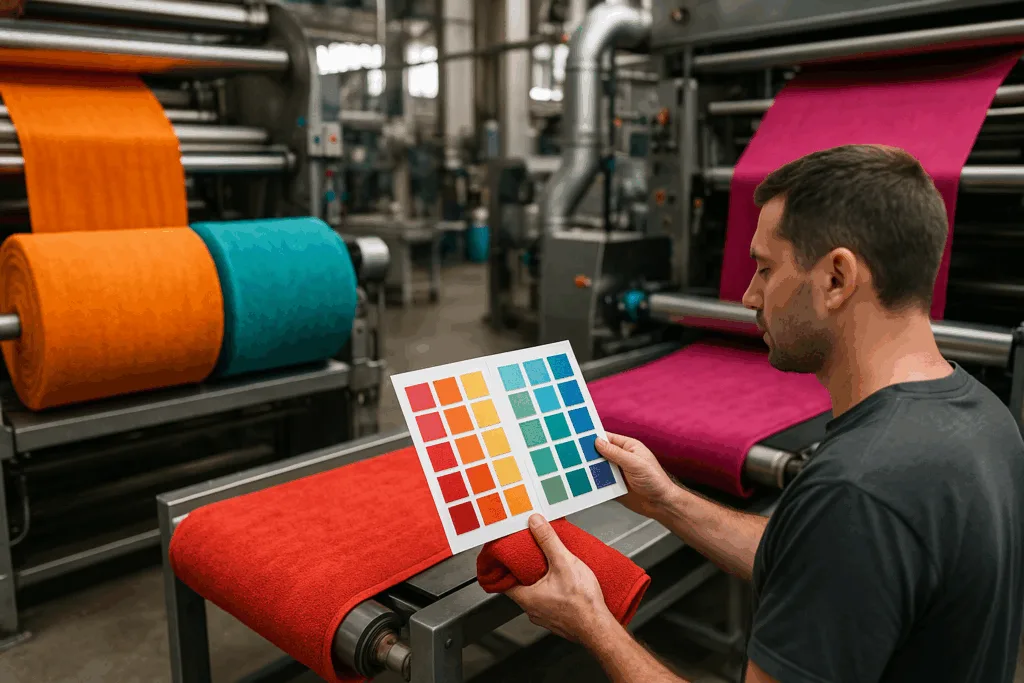
Weight accuracy must survive multiple wet and dry processes. Cotton towels use reactive or vat dyeing, followed by enzyme and silicone softening to lock in color and drape. Bulk samples undergo shade control and absorbency checks (AATCC 79) before final setting—ensuring the finished towel matches the GSM specified during prototyping.
Quality Assurance and Testing
Pre-shrinkage washes, compaction, and mechanical conditioning stabilize final towel dimensions and weights. Robust B2B suppliers like Circe Towel deploy random bulk audits measuring absorbency, colorfastness (AATCC 61/8/162), and lint shedding to verify every lot meets client benchmarks.
The Interplay of GSM with Towel Fibers and Weaves
Cotton Options
Standard and long-staple cottons dominate the mid to high GSM market with unbeatable softness and absorbency potential. Organic and GOTS-certified variants appeal to eco-savvy consumers, adding OEKO-TEX or BSCI credentials for global compliance.
Specialty Blends
- Bamboo viscose/cotton: Hypoallergenic, superior vertical wicking—especially popular at 400–550 GSM for spa and baby towels.
- Microfiber/Polyester: Ultra-light (180–300 GSM), fast-drying, and stain-resistant for sports and promotional towels.
Weave Types
- Terry Loop (single/double): Max absorbency at all GSMs; the industry standard for most towel types.
- Zero-/Low-Twist: Enhances softness and loft in high-GSM luxury lines.
- Velour (sheared): Silky feel, standout for beach towels and decorative programs.
- Waffle/Honeycomb: Lightweight yet absorbent, ideal for quick-drying applications.
GSM and Bulk Logistics: Sizing, Packaging, and Supply Chain Impact
Finished Size and Bulk
As GSM increases, towel packs become bulkier—impacting case counts, shipping weights, and storage requirements. Accurate cartonization and pack audits are crucial for smooth global logistics, especially on high-turn towel programs for major hotel brands.
Packaging Formats
- Belly bands, ribbon wraps, and polybag/compostable options for retail-ready presentation.
- Vacuum pick, pre-packed for efficient commercial distribution.
- Clearly marked carton specs, with SGS/Intertek inspection optional for regulatory assurance.
Ordering and MOQ Considerations
Heavier towels may require higher MOQs and longer lead times due to larger raw material input and specialized finishing equipment. Workflows—from reference sampling, pre-production (PP) approval, to TOP and bulk shipment—are structured to ensure GSM compliance throughout.
GSM and Regulatory Compliance
Certifications and Environmental Controls
Global buyers often require third-party certifications. Compliance frameworks such as OEKO-TEX STANDARD 100, GOTS (if organic), and audits like BSCI/WRAP ensure safe chemical use, fair labor, and environmental responsibility. Circe Towel employs closed-water loops and low-impact dyeing where possible, ensuring every GSM level supports sustainability goals.
Buyer Guidance: Customizing Towels with GSM in Mind
Key Questions for Selecting GSM
- Who is the primary user—hotel guest, gym member, spa visitor, or retail shopper?
- How often will towels be laundered? Will rapid turnaround be essential?
- Is softness/bulk or drying speed/practicality the priority?
- Will towels be branded, embroidered, or printed for promotional use?
- What shipping, storage, and replacement cycle constraints matter most?
Expert Takeaway: “Always select the highest GSM that meets practical site demands—with fiber and weave matched to the intended user experience. Reliable manufacturing involves stringent GSM, absorbency, and colorfastness checks, ensuring long-term satisfaction.”
How Circe Towel Supports Custom GSM
Circe Towel leverages advanced quality control, state-of-the-art weaving, and dyeing/finishing lines to guarantee precise GSM and consistent performance from sampling through full-scale production. Bulk orders are supported by fast prototyping, competitive MOQs, and compliance documentation for global buyers.
Frequently Asked Questions
What does GSM mean for towels?
GSM stands for grams per square meter and measures towel fabric density, directly impacting softness, absorbency, and durability.
How do I choose the best GSM for a hotel towel?
Select 450–700 GSM towels for bath and hand use. Higher GSM offers plushness; lower GSM facilitates quicker laundry turnaround.
Is a 600GSM towel better than a 400GSM towel?
600GSM towels are thicker, softer, and more absorbent but dry slower. 400GSM towels are lighter and dry fast, ideal for gyms or travel.
Are high-GSM towels always the most luxurious?
Not always. Fiber quality, weave, and finishing also shape the luxury feel. Midweight towels made with fine cotton can rival high-GSM options.
How is GSM controlled during towel manufacturing?
Manufacturers manage GSM by adjusting yarn count, weave density, pile height, and finishing processes, followed by stringent bulk audits.
What certifications should towels have for global hospitality?
Look for OEKO-TEX, GOTS (for organic cotton), and BSCI/WRAP certifications to ensure safety, sustainability, and social compliance.