
When sourcing bath towels for your business, picking the right manufacturing partner is crucial. The solutions—and challenges—go far beyond simple retail reviews. Whether you supply hotels, spas, retail shelves, or promotional campaigns, finding bath towel manufacturers who can deliver quality bath towels and the best bath towels for your market will impact your reputation and long-term success. Factors like yarn quality, GSM, absorbency, softness, durability, set development, and customization shape procurement choices for every industry channel.
Understanding Bath Towels
Bath towels are absorbent textiles designed to dry the body after bathing or showering. In B2B settings, bath towels serve a wide range of needs: from plush hotel linens to robust gym towels, to elegant home retail collections and highly-branded promotional gifts. Each use case requires matching towel performance and feel to the customer’s expectations.
Choosing the right bath towels for specific applications means considering who will use them, how often, and in what conditions. Hotels and spas need products that blend softness with durability over hundreds of washes. Gyms and wellness centers often want quick-drying and high-absorbency. Retailers seek the best bath towels to attract customers through appearance, hand feel, and package presentation. Promotional buyers may prioritize brand visibility, budget, or set presentation.
- Cotton bath towels: Known for comfort and absorbency; common for hospitality and home use
- Microfiber bath towels: Lightweight, quick-drying; ideal for gyms, sports, or travel
- Jacquard bath towels: Unique patterns and branding options; perfect for retail differentiation
- Printed or embroidered towels: Great for custom logos and promotional projects
Key performance indicators for bath towels include absorbency, softness, drying speed, and durability. Weigh the importance of each depending on your buyers’ needs. Sizes also vary—standard bath towels range from 60x120cm to 70x140cm, while bath sheets, face towels, and hand towels complete coordinated sets. For a deeper look at towel sizing and types, see the breakdown in our manufacturing perspective guide.
Comparing Towel Materials
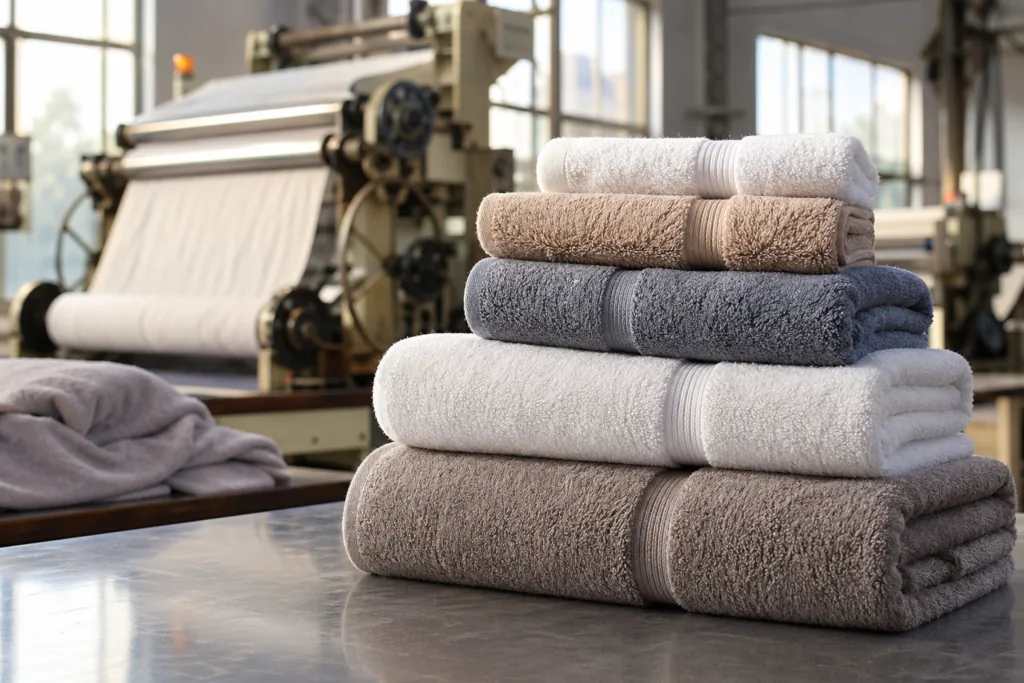
A towel’s performance—and buyer satisfaction—begins with the choice of material. Cotton, microfiber, bamboo, and blends each offer unique combinations of absorbency, softness, and suitability for quality bath towels. Cotton remains the top choice for most hospitality and luxury segments due to its plush hand, natural absorbency, and breathability. Combed or ringspun varieties enhance strength and softness, which explains their popularity in hotel bath towels.
Microfiber bath towels blend polyester and polyamide for a lightweight, fast-drying, and highly durable option. These are perfect for sports facilities, gyms, or travel applications—where weight, drying time, and stain resistance trump plushness. Bamboo blends introduce sustainability and silky feel, but may compromise slightly on long-term durability when compared to premium cotton. Blended yarns (cotton-polyester or cotton-bamboo) offer trade-offs: cost efficiency, improved colorfastness, or enhanced performance depending on blend ratio.
Absorbency and softness differ across materials. Cotton towels generally offer the best initial absorbency and plush feel, which only improves with specialized yarns and finishing processes. Microfiber’s smooth surface gives rapid drying and effective moisture pick-up, but its feel is distinctly different—sometimes preferred in athletic or utility markets.
Durability comes from both material and weaving process. For intensive hospitality and spa use, long-staple cotton (like Turkish or Egyptian) outlasts lower-quality fibers and resists pilling and wear. Microfiber materials resist fading and shrinkage, but can sometimes lose softness over time.
Sustainability is an increasing consideration for B2B buyers. Organic cotton, recycled polyester, and bamboo options minimize environmental impact but often come at a higher price point. Brands should balance eco-conscious goals with performance and budget—consult this eco-friendly towel production overview for more.
| Material | Absorbency | Softness | Durability | Sustainability | Typical Uses |
|---|---|---|---|---|---|
| Cotton (combed/ringspun) | High | High | Excellent | Good (organic best) | Hotels, Luxury, Home |
| Microfiber | Moderate-High | Moderate | Very High | Average (recycled possible) | Gyms, Sports, Travel |
| Bamboo Blend | High | Very High | Moderate | Excellent | Eco, Boutique Retail |
| Cotton-Poly Blend | Moderate | Moderate-High | High | Average | Budget, Promotional |
Price is linked to raw material choice, yarn processing, and certifications. Premium cotton or complex blends yield higher unit costs, but better guest experience and brand value. When collaborating with bath towel manufacturers, clarify intended use, target retail price, and performance priorities before committing to a material.
Towel Construction Methods
The way a towel is constructed dramatically affects its absorbency, softness, and overall performance. Top bath towel manufacturers offer varying weaving and finishing styles to suit different applications and budgets.
Terry toweling is the most popular, created by weaving loops on both sides of the towel. Longer and denser loops add to both absorbency and softness. Velour towels are sheared on one side, providing a smooth and velvety touch (ideal for high-end spa or retail settings), but may slightly reduce water absorption. Waffle weave and honeycomb structures create a lighter, quick-drying texture, making them ideal for gyms or humid climates. Jacquard construction allows for intricate patterns and branding woven directly into the towel, ensuring excellent durability and logo sharpness.
Decorative techniques such as custom embroidery and printing add branding flair. Embroidery has a premium look and lasting impression, but may affect softness on the reverse side. Reactive and digital printing allow for vibrant, full-color feature towels—great in promotional or retail sets, but print stability and fade-resistance should be confirmed with your manufacturer’s testing reports.
The choice between lighter and heavier construction impacts drying time and tactile appeal. Light weights (300–400 GSM) provide agility and quick drying, preferred in sports and mass-market hospitality. Heavier towels (550–700 GSM) offer luxurious drape and extra plushness, fitting upscale or boutique hotel standards. For more about the effect of hem stitching and edge durability, see this overview on towel edge finishing.
Spec Checklist for Bath Towels
Before placing an order, clarify the exact specifications needed for your bath towel application. Successful procurement balances the technical, visual, and tactile requirements that your market expects from the best bath towels.
| Specification | Why It Matters | Common Ranges / Options |
|---|---|---|
| Size | Guest comfort; matching standards | 60x120cm to 70x140cm (Bath Towel) 80x160cm+ (Bath Sheet) |
| GSM (grams per sq. meter) | Absorbency, softness, drying speed | 350-400 (Budget), 450-550 (Multipurpose), 600-700 (Luxury) |
| Fabric Type | Tactile feel; performance | Combed Cotton, Microfiber, Bamboo Blend |
| Edge Finishing | Durability; prevents fraying | Double-stitched, hemmed, piped |
| Colorfastness | No fading or dye transfer | ISO/AATCC certified, hospitality-tested |
| Logo/Custom Branding | Visual identity; promotional effect | Embroidery, Jacquard, Printing |
| Packaging | Market positioning; presentation | Bulk polybag, custom box, retail set, bandroll |
Typical requirements shift with end use: Spas demand extra softness and white colorfastness. Gyms need quick drying and color durability. For high turnover, budget hospitality, opt for mid-weight, robust cotton towels that balance cost and lasting performance. Retail and luxury segments often call for higher GSM, intricate edging, and coordinated towel set offerings. For more specification strategies, refer to this guide.
Customization options, such as logo embroidery and special packaging, are essential for brand recognition in both retail and B2B. Coordinated towel sets—from bath and hand towels to washcloths—enhance perceived value and ease inventory management. Circe Towel’s experience shows that clear communication on GSM, color, and branding needs in the early sample stage minimizes costly revisions and misalignments in production.
Quality Testing and Assurance
Quality assurance is non-negotiable when sourcing quality bath towels. Reputable manufacturers implement strict QC at several stages: from raw material inspection through finished goods lab testing.
- Absorbency test: Measures how quickly and how much water a towel can retain. Poor absorbency signals fiber or process issues.
- Wash durability: Simulates repeated home or industrial laundering. Helps predict pilling, shrinkage, fading, and loss of softness over time.
- Colorfastness: Prevents dye transfer, fading, or yellowing—critical for hospitality and high-visibility promotional products.
- Stitching evaluation: Ensures double-lock edges and high thread count for long service life and no fraying.
Top bath towel manufacturers back quality bath towels with certificates like Oeko-Tex, GOTS, or ISO standards. Always request the manufacturer’s in-house or third-party lab results for your towel specs. For buyers who value low defect rates, audit reports and visit protocols are covered in this expert guide.
Textile certifications not only assure product safety, but support sustainability claims. Circe Towel’s QC experience confirms that transparent testing, detailed reporting, and material traceability substantially reduce sourcing risks for international buyers.
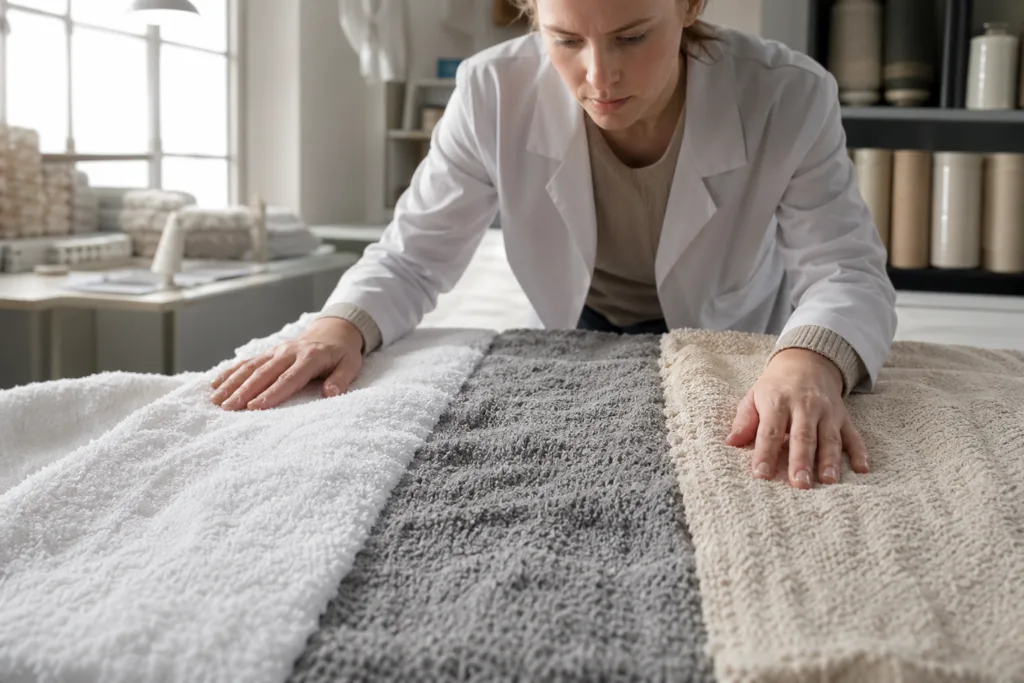
Matching Towels to Industry Applications
The application environment dictates which towel features matter most. Bath towel manufacturers offer different specs and finishing options to best serve hospitality, gym, retail, or promotional buyers.
In hospitality (hotels, resorts, spas), bath towels must deliver a blend of softness, absorbency, and robust construction for bulk washing. Classic white, double-stitched edges, and colorfastness are essential. Luxury hotels go further, choosing long-staple combed cotton, zero-twist yarn, or specialty Turkish towels for elevated guest experience. Wellness centers and spas may favor high-GSM towels with a velvet touch or reactive-dyed colors resistant to beauty oils and treatments.
Gyms and sports facilities need towels that dry fast and resist odors, with strong edge durability. Microfiber towel varieties, like those found in microfiber equipment towels, are common here, sometimes with practical hang-loops or anti-slip borders.
Promotional projects anchor around branding. Techniques like jacquard weaving, embroidery, or reactive printing support logo visibility and keep per-unit costs flexible. For luxury promotions or retail, better materials and sophisticated presentations (boxed sets, custom wrap bands) build perceived value. Budget giveaways may favor lighter GSM, single-color production, and simple packaging.
Private label and retail require a balance of tactile quality, appealing pack-out, and logistics. Circe Towel has worked with international buyers to create coordinated bath towel sets with custom packaging, hang tags, or insert cards for brand storytelling. Matching end use to spec is key—don’t overpay for luxury features where robust simplicity will do.
Customization Options
Custom features transform a basic towel into a strategic brand asset. The best bath towels may be differentiated through logo placement, pattern selection, border design, and packaging—offered by experienced bath towel manufacturers.
Key customization methods:
- Logo Branding: Embroidery (for durability and textured appeal), jacquard weaving (built-in subtlety), or printing (for full-color vibrancy)
- Pattern & Design: From classic solid colors to complex allover patterns using digital or reactive printing
- Border Customization: Contrasting or piped edges, classic dobby or cam border, custom woven labels
- Packaging: Bulk packs for hospitality, branded gift boxes or compact rolls for retail, private label solutions for brand differentiation
Private label manufacturing offers even more control: unique colors, custom sizes, or exclusive packaging with barcodes and market-ready design elements. Flexibility is important—Circe Towel adapts jacquard, embroidery, or rapid design sampling to meet emerging trends and tight project timelines. For retail and hospitality, matching towel design to market tastes can be the difference between repeat orders and stagnant shelves. To explore branding decoration pros and cons, read this comparison of logo towel methods.
Common Mistakes to Avoid
Sourcing quality bath towels involves pitfalls that can undermine your project outcome. Here are the most frequent mistakes, and how to avoid them:
- Choosing the wrong GSM: Light towels (under 400 GSM) will disappoint in luxury or hospitality uses, while heavy GSM slows drying and may face mildew risk in humid settings.
- Poor fabric choice: Inexpensive polyester blends may save budget but lack both absorbency and a premium hand feel, frustrating guests and increasing complaints.
- Ignoring colorfastness: Low-quality dyes fade after a few washes—especially in colored promotional or retail towels—damaging brand perception.
- Weak stitching and finishing: Towels with loose edge threads and poor seam control unravel quickly in heavy commercial use.
- Selecting the wrong decoration: Printing may seem cheaper, but can fade faster than embroidery or jacquard (unless specified for high durability). For intricate branding, confirm the method suits intended laundry cycles and budget.
Seek out manufacturers that control yarn sourcing, enforce multiple QC stages, and are transparent about their decoration processes. For nuanced tips on decoration methods, refer to this branding method showdown.
Ordering Guide for Bath Towels
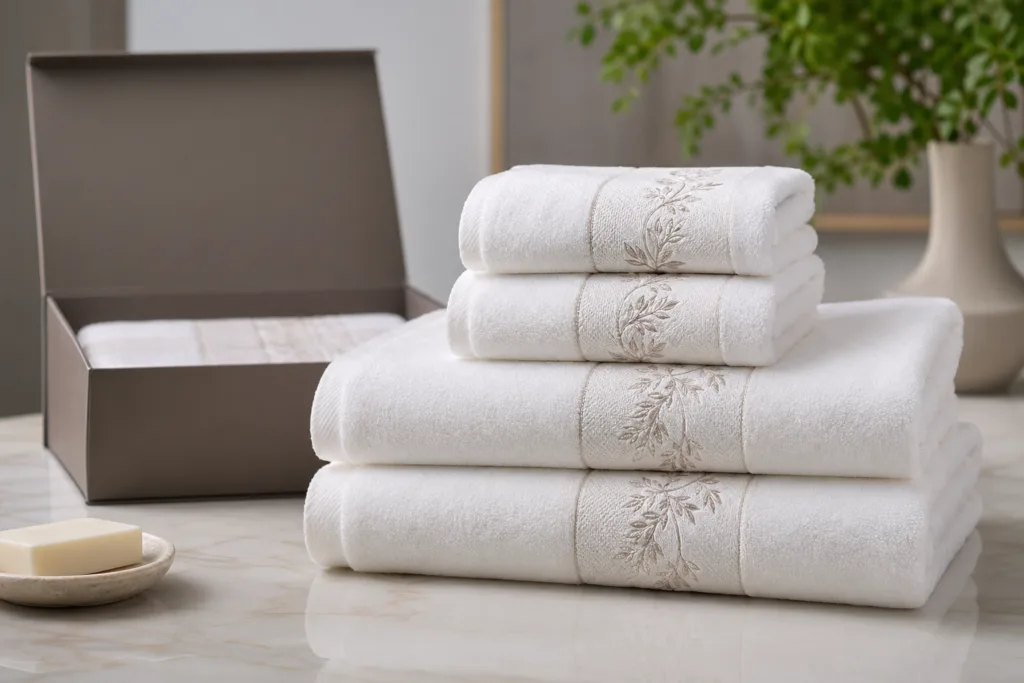
Efficient ordering with bath towel manufacturers depends on understanding supplier workflows and your own project needs. Start by requesting minimum order quantities (MOQ)—standards range from 500 to 5,000 pieces, depending on material and customization. Higher MOQs may lower unit price but increase up-front commitment.
Lead times vary: plain white towels can take 2–4 weeks, while complex custom or printed towels may require 5–8 weeks once samples are approved. Supply chain and seasonality can stretch timelines, so forecast proactively. Sampling and precise artwork preparation are critical to avoid misunderstandings—approve strike-offs, embroidery swatches, or pre-production samples before mass run.
Order steps typically include specification alignment, artwork submission, sample review, and production proof sign-off. Confirm all details, including packaging, before final approval. In the bulk towel segment, shipping choices affect both cost and speed. Sea freight is most economical; air shipping is faster but pricier. For practical advice on MOQ, sampling, and lead times, examine the step-by-step towel manufacturing guide.
For buyers seeking smooth procurement, clear up all contract terms (delivery schedule, defect cap, credit/payment terms) in writing. This reduces disputes and ensures predictable roll-outs for seasonal launches or ongoing programs.
Frequently Asked Questions
How do I choose the right GSM for specific needs?
Select 350–450 GSM for budget or fast-drying needs, 450–550 GSM for everyday hospitality, and 600 GSM+ for luxury or upscale retail. Match GSM to towel use and market expectations for feel, absorbency, and laundering cycles.
What is the best material for absorbency?
Long-staple cotton is the best material for absorbency in quality bath towels, combining high water uptake with a soft, luxurious feel. Microfiber offers rapid drying and is excellent for athletic or utility-focused markets.
Can I get samples before placing a large order?
Yes, most bath towel manufacturers offer sampling. Insist on pre-production samples with your specified GSM, color, logo, and packaging to avoid surprises and ensure final approval before bulk production.
How do I ensure my logo looks great on towels?
Choose branding methods based on your logo’s complexity and intended usage—embroidery for premium durability, jacquard for woven-in designs, or digital/re- active printing for colorful logos. Always request a strike-off or digital proof for review.
What’s involved in the private label process?
The private label process includes selecting materials and specs, custom colors and sizes, branded packaging, and regulatory compliance. Your manufacturer handles production and packing, letting your brand focus on marketing and retail rollout.
How do I assess towel quality before purchasing?
Request lab test reports for absorbency, wash durability, and colorfastness. Examine stitching quality on samples and check for clear, consistent finishing and accurate branding before bulk commitment.
Related Reading
- Master Bulk Towel Sourcing: MOQ, Sampling & Lead Time Explained
- How to Build a Profitable Private Label Bath Towel Line
- A Practical Guide to Eco-Friendly Towel Materials and Production
- Embroidery, Jacquard, or Printing? Choose the Right Towel Branding Method
- How to Audit Your Towel Supplier for Consistent Quality
- Bath Towels, Hand Towels, and Face Towels Compared: Manufacturing Insights