
Understanding Microfiber Towels
Sourcing the right microfiber towel supplier is essential for any brand or business that needs towels for cleaning, sports, travel, hospitality, or promotional events. Microfiber towels are engineered from synthetic fibers—typically a blend of polyester and polyamide—which are woven to create a fabric with a diameter less than one denier. This leads to their signature softness, exceptional absorbency, and rapid drying abilities. Compared to traditional cotton towels, microfiber towels excel in both water absorption and quick dry performance.
The unique structure of microfiber allows for cleaning tasks that demand precision, such as wiping delicate surfaces or absorbing sweat during workouts. Their lightweight construction makes them portable and ideal for travel, while their cost-effectiveness and branding versatility have cemented their role in promotional projects. Selecting microfiber towel wholesale suppliers who demonstrate consistent mass production and custom quick dry towels capability is a must for B2B sourcing teams.
- Superior absorbency for cleaning, sports, and hospitality
- Fast drying speeds minimize downtime
- Lightweight and portable for travel and outdoor use
- Cost-effective branding for promotions
- Supplier reliability ensures steady supply and quality consistency
Material Comparisons: Microfiber vs. Other Fabrics
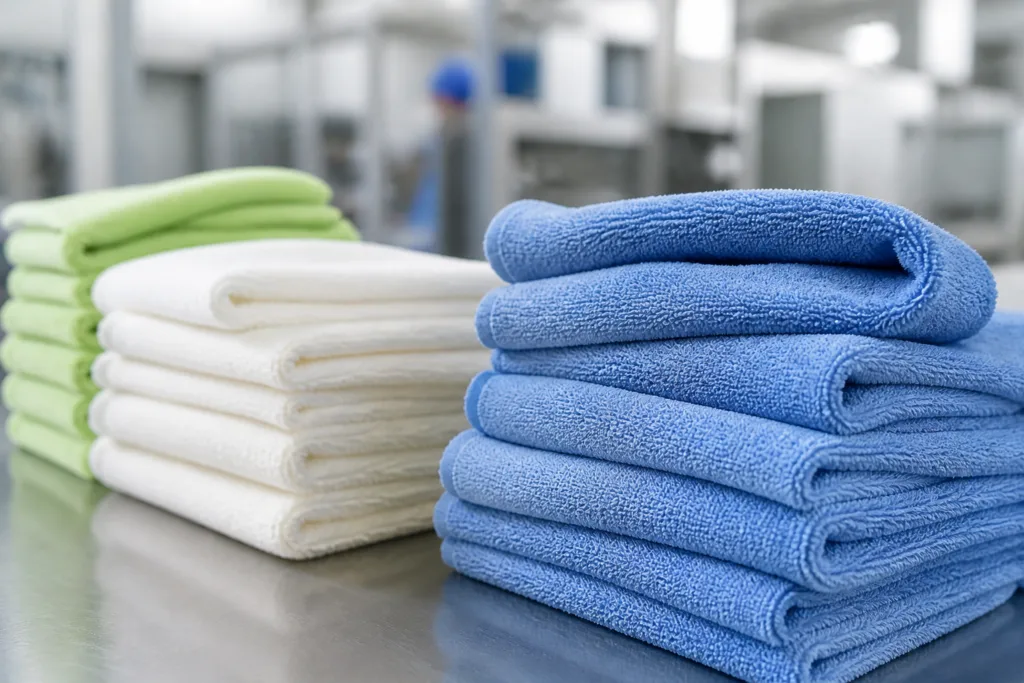
When comparing microfiber towel to other materials, several key differences emerge. Cotton towels are valued for their luxurious feel and natural softness, but they often take longer to dry and can lose absorbency over repeated washes. Blended fabrics might offer niche performance but rarely match microfiber’s quick dry efficiency. Bamboo towels provide eco-friendly appeal and softness, yet their drying performance and durability can differ.
Microfiber stands out for rapid moisture wicking and resilience after frequent laundering. Custom quick dry towels built from microfiber are ideal for settings where speed and versatility matter, like gyms, hotels, and outdoor events. Below is a comparison table highlighting the strengths and weaknesses of each fabric category:
| Material | Absorbency | Drying Speed | Softness | Durability | Cost Range |
|---|---|---|---|---|---|
| Microfiber | High | Very Fast | Soft to Silky | High (Withstands Many Washes) | Low – Moderate |
| Cotton | Medium – High | Moderate | Very Soft | Medium (May Fade/Lint) | Varies (Higher for Premium) |
| Bamboo | Medium | Moderate | Ultra Soft | Medium (Sensitive to Shrinkage) | Medium – High |
| Blended Fabrics | Variable | Variable | Variable | Variable | Low – Medium |
Choosing custom quick dry towels means prioritizing performance—microfiber dries up to 70% faster than cotton and handles repeated laundering with minimal loss in absorbency or softness. This trade-off is critical in busy hospitality or gym environments where constant use is expected.
Construction Types & Manufacturing Processes
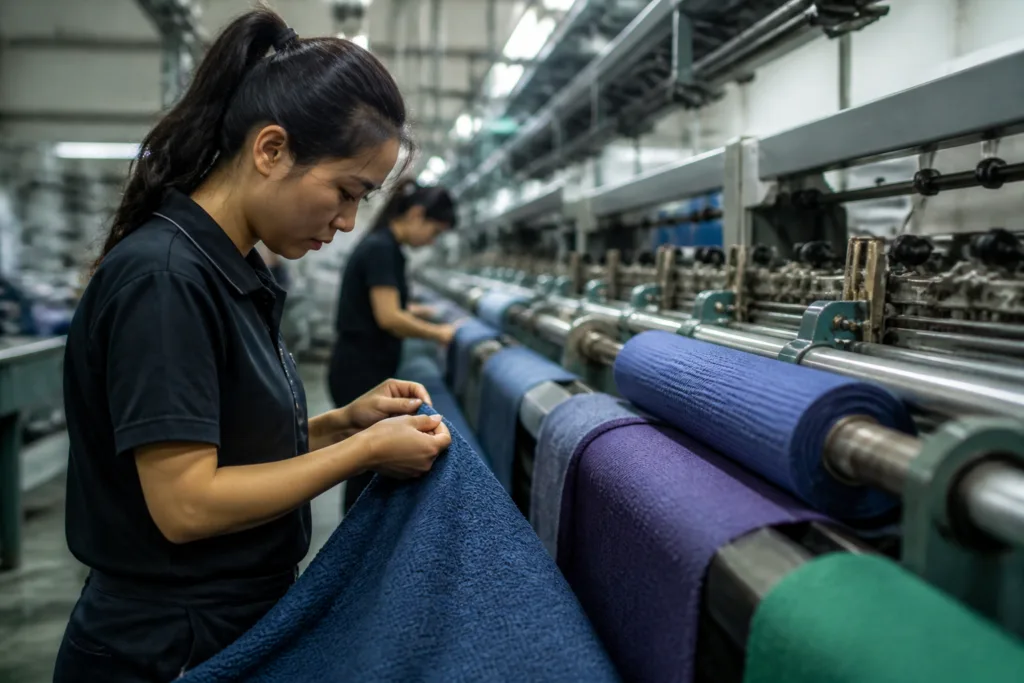
Not all microfiber towels are made the same. The construction method—whether terry, velour, waffle, or jacquard—weaves directly impacts absorbency, drying time, and final product feel. Terry microfiber towels, for instance, offer increased surface area for water absorption, making them excellent for cleaning tasks. Velour construction, with its sheared surface, delivers a smoother hand feel and enhanced visual appeal, perfect for promotional or luxury uses.
Waffle weave designs increase airflow, leading to faster drying and reduced mildew risk. Jacquard microfiber towels allow for intricate branding and pattern customization, suited for companies that demand unique, visually differentiated products. High-quality microfiber towel supplier capabilities should include expertise in diverse construction types, as well as advanced manufacturing for printing and embroidery.
Printing methods such as reactive or digital offer vibrant, durable imagery, while embroidery adds texture and longevity. Reliable suppliers manage bulk production quality, maintain stitching consistency, and are adept at meeting custom requirements for logos and edge finishing. Circe Towel is experienced in adjusting construction techniques to fit project specs, ensuring both performance and branding are addressed without compromise.
Design & Specification Checklist
B2B buyers evaluating microfiber towel wholesale suppliers need a clear specification checklist. The ideal towel size, GSM (grams per square meter), and material composition must match the intended application—sports, hospitality, or promotions. Edge finishing options like double-stitch, binding, and piping enhance durability and prevent fraying.
Logo applications should be carefully selected. Embroidery provides tactile strength and high perceived value, while printing can deliver multi-color branding at lower costs. Assess each option based on absorbency requirements and the nature of promo or retail use. Colorfastness is another must, especially for towels destined for frequent washing or hotel environments.
- Specify ideal size based on use case
- Choose GSM: higher for plushness, lower for quicker drying
- Evaluate edge finishing for durability
- Select logo method: embroidery vs. printing
- Demand colorfastness for branding longevity
| Specification | Recommended Options | Considerations |
|---|---|---|
| Size | 30x30cm to 80x150cm | Match application (gym vs. travel vs. hotel) |
| GSM | 200–400 for quick dry; 400–600 for plush | Higher GSM = heavier, slower drying |
| Edge Finishing | Binding, piping, double-stitch | Durability and lint control |
| Logo Application | Embroidery, printing | Budget, branding clarity |
| Colorfastness | Reactive dyes, quality testing | Longevity after washing |
When evaluating custom quick dry towels and microfiber towel wholesale suppliers, always request samples to check softness, colorfastness, stitching, and absorbency. Products from reliable suppliers provide transparency on these specs.
Quality Indicators & Testing Protocols
Quality assurance is central to selecting a trustworthy microfiber towel supplier. Key indicators include absorbency, wash durability, colorfastness, and edge performance. Testing protocols for shrinkage and lint control are vital for towels that will be used repeatedly in commercial settings.
Reliable suppliers conduct batch testing, including water absorption and drying rate verification, abrasion tests for edge seams, and colorfastness checks after multiple laundry cycles. Pre-production samples should always be reviewed by the buyer to validate specifications before any bulk order. For bulk production, suppliers must certify process consistency—avoidance of loose threads, uneven edges, and unexpected shrinkage.
Circe Towel incorporates systematic quality testing and offers transparency in pre-production and mass production standards to minimize risks and deliver uniform results across each batch. Quality controls help avoid common pitfalls such as excessive lint, poor stitching, and color bleed.
Industry Applications and Use Cases
Microfiber towels see wide application in sports and gym settings, where sweat absorption and quick dry efficiency are critical. Custom quick dry towels are popular in gyms and athletic facilities—allowing users to wipe surfaces and bodies without waiting for towels to dry. In hospitality, microfiber towels offer high absorbency and easy maintenance, making them ideal for hotels, spas, and resorts.
In promotional industries, microfiber towel wholesale suppliers provide cost-effective options for logo branding, distributing towels as event giveaways. Travel and outdoor uses demand light, compact towels with reliable drying—microfiber fits the bill. Beyond these, gifting and seasonal promotions often leverage custom colors, packaging, and branding for memorable impact.
- Sports and gym (sweat, quick dry, anti-lint)
- Hospitality (ease of care, frequent washing)
- Promotional (brand logo, mass distribution)
- Travel and outdoor (portability, rapid drying)
- Gifting (custom colors, private label packaging)
See examples like quick dry microfiber gym towel for fitness equipment or microfiber quick dry printed beach towel for practical industry applications.
Customization Options for Branding
Microfiber towel supplier flexibility is crucial for branding. Buyers can select embroidery or various printing methods for logos. Embroidery provides tactile depth and resilience, while digital or screen printing enables full-color graphics at scale. Patterns, colors, and border customization further differentiate products for retail, hospitality, or promo markets.
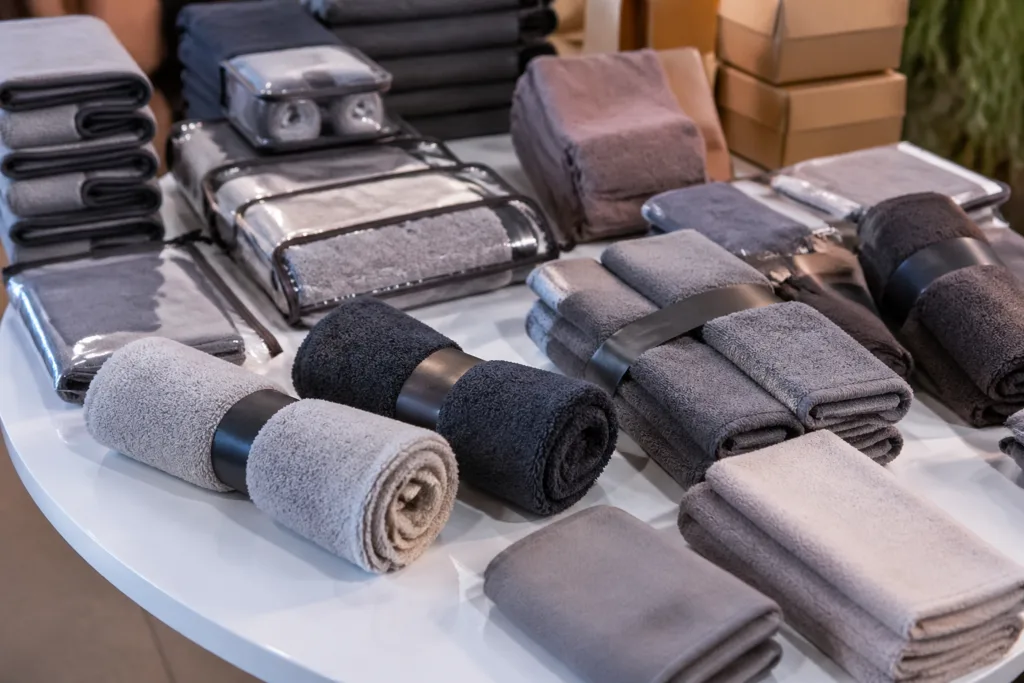
Labeling and packaging options support private label projects, with custom tags, sleeves, or gift boxes enhancing perceived value. Functional customizations—such as pockets, hooks, or unique shapes—can boost product appeal for sports, travel, or themed marketing. Clear communication on available customization processes ensures results align with project needs.
Custom quick dry towels specifications—from branding method to packaging—should be detailed during supplier selection. Circe Towel’s experience with embroidery, printing, and OEM packaging supports tailored manufacturing strategies for brands and wholesalers.
Common Sourcing Mistakes and Troubleshooting
Buyers sourcing microfiber towel wholesale suppliers often encounter mistakes that can lead to performance and branding issues. One major error is choosing the wrong GSM; towels too thick may dry slowly, while too thin won’t absorb as desired for gym or hospitality settings. Fabric type is another source of trouble—selecting a blend when pure microfiber is needed can impact quick dry performance.
Poor colorfastness results in fading after minimal wash cycles, undermining logo visibility and towel appearance. Rough hand feel due to low grade fibers or loose stitching compromises end-user experience and longevity. Inadequate decoration—such as print methods unsuited for mass laundering—leads to early logo degradation, especially in hospitality or promotional towels.
- Match GSM to application needs
- Specify pure microfiber for performance
- Insist on pre-production testing
- Select durable logo methods based on wash cycles
- Request strong edge finishing to prevent lint
Referencing specialist suppliers who provide guidance and transparent specs—such as those in the wholesale towel suppliers guide—helps avoid common sourcing pitfalls.
Ordering Guide for Microfiber Towels
The ordering process begins with understanding Minimum Order Quantities (MOQs) set by microfiber towel supplier partners. Most suppliers offer lower MOQs for sample runs and higher thresholds for bulk production. Timeline planning considers sampling, proofing, production lead time, and shipping logistics—critical for seasonal projects or event-driven orders.
Buyers must prepare artwork for logos or designs; clear files and stated color requirements expedite production. Proofing—reviewing physical or digital samples before bulk manufacturing—ensures branding and specs meet expectations. Packaging options (retail, bulk, private label) should be confirmed to fit storage or merchandising strategies.
Effective ordering relies on supplier transparency and communication. Microfiber gym equipment towel listings often detail MOQs, lead times, and customization options for buyer reference.
Frequently Asked Questions
What is the recommended GSM for microfiber towel applications?
For quick dry gym and travel towels, 200–400 GSM is ideal; for hospitality or plush use, choose 400–600 GSM for softer feel and higher absorbency.
How can I evaluate the quality of microfiber towels?
Check absorbency, colorfastness, stitching, softness, and request pre-production samples to review actual performance before bulk ordering.
Which customization options are available for microfiber towels?
Options include embroidery, digital printing, custom patterns, colors, border finishing, labeling, packaging, and functional features like hooks or pockets.
How does the price of microfiber towels compare to cotton?
Microfiber towels typically cost less than premium cotton, especially for bulk promotional or private label projects, with added durability and quicker drying.
Can I get samples before placing a bulk microfiber towel order?
Most reputable suppliers offer sample runs or pre-production proofs, enabling buyers to review quality, branding, and specifications in advance.
What maintenance practices ensure microfiber towel performance?
Wash microfiber towels separately, avoid fabric softeners, use mild detergents, and air dry or tumble dry on low to preserve absorbency and prevent linting.
Conclusion and Call to Action
Choosing the right microfiber towel supplier is a strategic decision. Buyers must weigh absorbency, drying speed, GSM, edge finishing, logo application, and packaging against their project needs. Avoid common mistakes such as mismatched GSM or poor logo durability by insisting on clear specs and sample validation.
Microfiber towel wholesale suppliers who offer custom quick dry towels and have expertise in manufacturing, branding, and quality control add immense value to B2B sourcing teams. Circe Towel delivers practical guidance and stable bulk capabilities for brands, hospitality, and promotional industries. Reach out for tailored sampling and quote options aligned with your project goals and market requirements.
Related Reading
- 12 Essential Criteria for Choosing Smart Wholesale Towel Suppliers
- Expert Tips to Select the Right Towel Manufacturer for Your Brand
- Unlocking Custom Printed Towels: Full Branding and Material Guide
- Demystifying MOQ and Costs for Private Label Towels
- Understanding Towel Absorbency: Loops, Yarn Twist, and Fiber Selection
- 7 Ways Hemming & Stitching Drive Towel Edge Durability