
Introduction to Bulk Towels for Business Use
Every business that relies on guest comfort or operational efficiency—hotels, fitness centers, chain retailers, spas, or event organizers—knows the significant role quality towels play in daily service and brand value. The process of sourcing bulk towels is rarely about finding the lowest price; it’s about striking that balance between functionality, image, and logistics that supports each unique operation.
Choosing the right supplier for bulk towels for sale must start with a clear understanding of your business’s end-use scenarios. Hotels may prioritize uniform specifications and color reliability for consistent presentation, while gyms might focus on high absorbency and fast replenishment. Retail chains and promotional buyers weigh branding options and packaging as heavily as fabric choices. Each type of buyer faces its own challenges, from fluctuating stock needs to misaligned production capabilities.
Industrial bulk ordering usually involves reviewing manufacturing capabilities, submitting detailed specifications, and evaluating samples before approving a purchase. Some common pain points include long lead times, inconsistent quality, and complicated reordering processes. By mapping supplier capabilities closely to these real-world needs, businesses can avoid costly errors and ensure their investment meets operational and branding objectives.
Key Factors in Evaluating Towel Suppliers
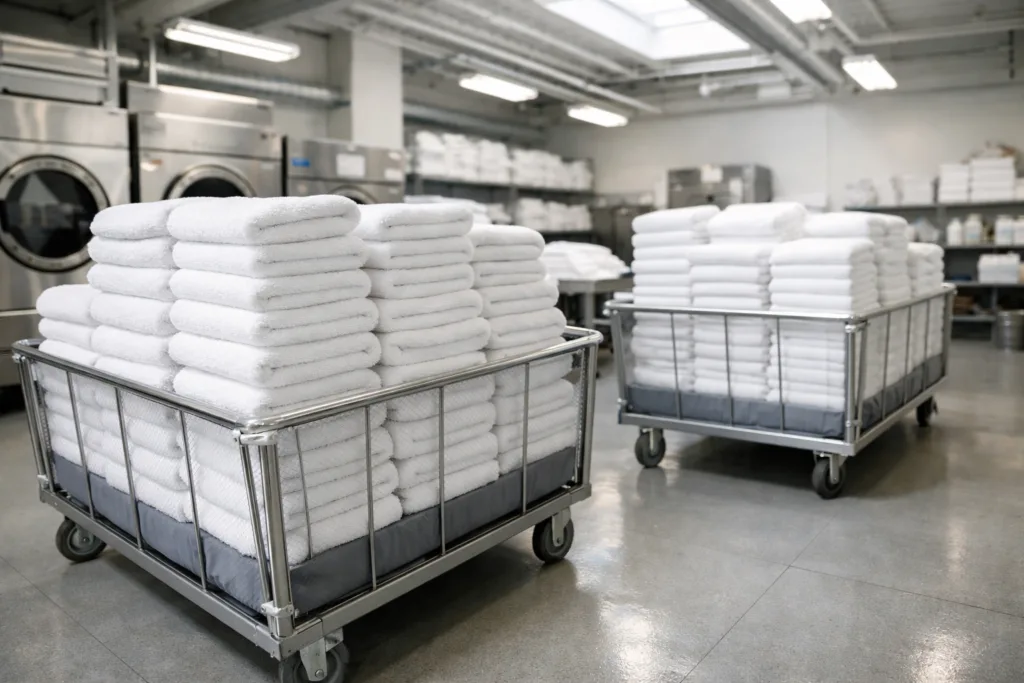
When deciding where to buy towels in bulk, it’s crucial to weigh several industry-specific criteria. Price is often the first consideration—especially per-unit cost for hotels or gyms with frequent turnover—but total order value (factoring in shipping, branding, and replacement rates) can reveal hidden expenses. For retail or promotions, value-added features like custom labeling may justify a higher price point.
Towel supplier reliability is equally vital. Does the supplier have a proven track record for on-time delivery and quality consistency? Checking industry reputation, reference projects, or certifications can help filter out risky vendors. Lead time and reordering speed matter most to businesses with limited storage or tight replacement schedules, such as busy gyms or spas coping with high towel turnover.
The impact of towels on brand image shouldn’t be underestimated. Guests often associate towel feel and presentation directly with service quality, particularly in hospitality settings. Embroidered logos, coordinated colors, and consistent sizing all reinforce the brand. Customer service throughout the ordering process (fast quotations, responsive sampling, and clear troubleshooting) can make or break the overall supplier relationship.
- Assess per-unit cost against total expenses, including branding and logistics
- Research supplier reputation, production scale, and after-sales service
- Evaluate customization and packaging flexibility
- Check reorder lead times relative to your stock needs
- Prioritize communication and responsiveness
Understanding Towel Materials and Their Applications
Material choice is a cornerstone of performance for bulk towels and washcloths. Cotton towels are loved for their softness and natural absorbency, but they vary widely (from basic combed to premium ringspun Egyptian cotton). Microfiber, increasingly popular for gyms and car care, offers lighter weight, fast drying, and strong absorption relative to thickness. Bamboo and blended towels are growing in eco-aware hospitality and spas, valued for natural feel and antimicrobial properties.
Material selection should always align with the application. Hotels often choose high-weight cotton for luxury, while budget hotels and gyms may compromise with blended or mid-GSM options. Microfiber is prized for rapid turnover (such as in fitness centers or sports events) but may lack the plushness desired in spas. Real-world feedback confirms that a super-soft towel may not survive repeated industrial laundering unless the right yarn and weaving are chosen.
| Material | Absorbency | Softness | Durability | Best Use Case |
|---|---|---|---|---|
| 100% Cotton | High | High | Medium-High | Hotels, Spas |
| Microfiber | Medium-High | Medium | High | Gyms, Car Care, Promotions |
| Bamboo Blend | Medium | High | Medium | Spa, Eco-Hospitality |
| Cotton/Poly Blend | Medium | Medium | High | Budget Hospitality, Events |
Some misconceptions persist—many assume microfiber always outperforms cotton, but in luxury hospitality, high-GSM cotton often retains color and softness better through heavy washing. The budget must also be considered: 100% cotton is not always the answer if rapid restocking or cost efficiency is the priority. Circe Towel has observed that an optimal mix of GSM and fiber type can deliver both performance and lifecycle value for most business cases.
Construction Techniques: Choosing the Right Manufacturing Method
How your bulk towels for sale are constructed can have as much impact as material selection. Terry towels—classic looped piles—offer maximum absorbency and plushness, ideal for hotels and spas. Velour, with sheared surfaces on one side, brings a luxurious feel and is well-suited for upscale branding or retail towels, though its absorbency is slightly lower. Waffle weave towels dry quickly and pack efficiently, making them excellent for gyms, saunas, and fitness giveaways.
Jacquard techniques allow complex branding and elaborate patterns to become part of the towel itself, favored for retail, hotels, and promotional campaigns. However, these are more expensive and have longer lead times due to setup and production complexity. Tailoring construction choices to your target market’s preferences and frequency of towel use often pays off in long-term guest satisfaction.
Durability and wash performance also depend heavily on construction. Hotels with industrial laundering needs may prioritize double-stitched edges and tighter loops, while promotional buyers may accept simpler border finishes for cost reasons. Real-world examples show that gyms opting for waffle microfiber achieve excellent drying rates and low replacement costs, balancing utility and brand appeal.
Towel Design & Specification Checklist
Making the shortlist for your supplier means scrutinizing every specification before you buy towels in bulk. Key factors include size (e.g., bath, hand, or face), GSM (grams per square meter, a measure of towel weight/thickness), material, and how edges are finished (e.g., double-stitched, piped, or fringed). These choices depend on both customer experience goals and practical budget limits.
Branding methods—like embroidery, digital print, or jacquard logos—should be reviewed for visual impact and wash durability. Assess absorbency and softness through samples, ensuring colorfastness testing is performed. Packaging becomes important where re-sale or gifting is planned: custom label packs for retail, shrinkwrap for hospitality, or drawstring bags for events.
| Spec | Options | Business Impact |
|---|---|---|
| Size | Bath, Hand, Face, Gym, Beach | Guest satisfaction; inventory match |
| GSM | 250–700+ | Absorbency vs drying speed/cost |
| Material | Cotton, Microfiber, Blend | Feel, wash durability, image |
| Edge | Double-stitched, Fringed | Longevity, presentation |
| Logo | Embroidery, Printing, Jacquard | Brand visibility, cost tier |
| Packaging | Shrinkwrap, Labels, Bag | Retail/Promo effect, ease of distribution |
For best results, seek a balance between luxury features and long-term costs. It’s wise to prioritize technical specifications for quality and then match branding choices and packaging per your unique market.
Ensuring Quality & Conducting Testing
Quality assurance is the backbone of successful bulk towels and washcloths procurement. Key performance indicators include absorbency (how quickly and fully a towel can soak up water), wash durability (resistance to fraying, pilling, and shrinkage), and colorfastness after multiple launderings. Consistent, neat stitching and effective lint control show attention to detail from the supplier.
Before placing large orders, request and test multiple samples. Check the towels for shedding, harshness, faded color after multiple washes, and edge seams for integrity. Comparing field reports with certifications (like Oeko-Tex for safety, or ISO9001 for manufacturing) ensures accountability. Circe Towel recommends involving both operational and housekeeping staff in the testing process for hotels and spas, as their hands-on feedback often reveals minor but critical weaknesses.
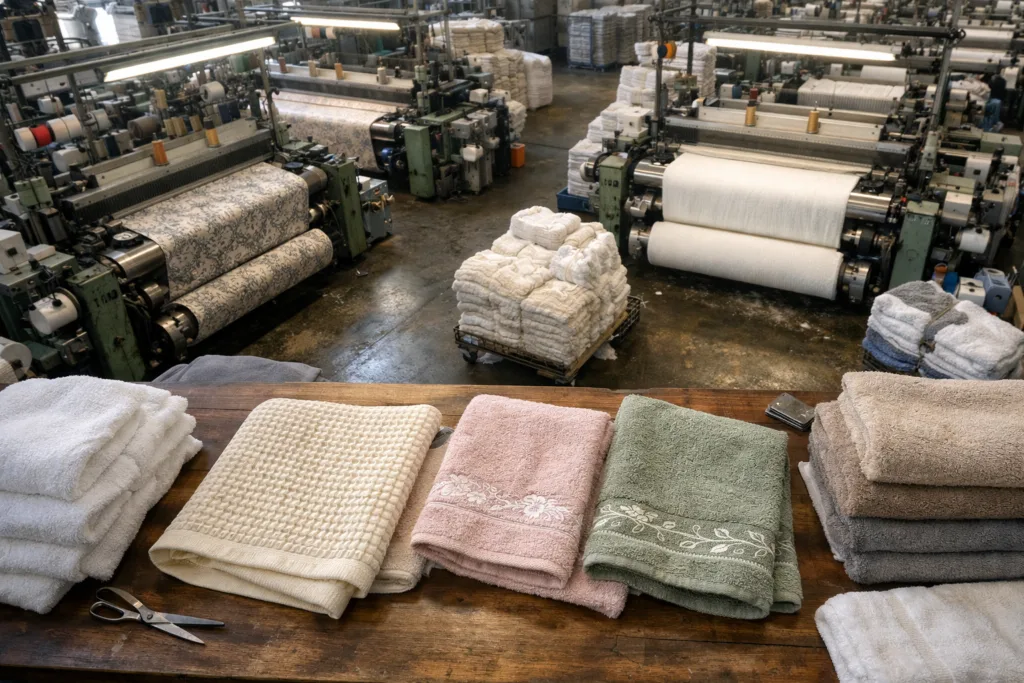
- Test for rapid absorbency and recovery after washing
- Check shrinkage after 3–5 standardized washes
- Look for color transfer or fading signs
- Inspect decorative methods for thread loss or print cracking
Common quality issues include excessive lint, uneven borders, and decorative embroidery that unravels after a few blends. Selecting a reliable supplier and conducting robust pre-order trials will minimize these headaches.
Tailoring Towels to Industry Needs
The requirements for bulk towels for sale change based on the sector and client expectations. Hotels expect plush, high-GSM towels that remain white and retain fluffy texture after hundreds of washes. Gyms often require quick-dry, medium-weight towels that fit into lockers and replenish easily. Spas selectively value smooth, soft textiles—sometimes bamboo blends—for a high-end tactile experience.
Chain retail buyers might focus on unique packaging, special color palettes, and bold jacquard or printed designs. Promotional buyers look for volume-friendly options, favoring cost efficiency and performance over luxurious touch. Customization flexibility, such as special border styles or logo applications, is a growing trend, especially for corporate events or co-branded gifts.
Branding, from embroidered hotel logos to trendy patterns for retailers, plays a growing role in market adoption. The rise of eco-friendly fibers, and digitally printed patterns, responds to retail and wellness sector trends. For example, hotels that switched to unique jacquard designs with sturdy binding edges report improved guest ratings and recognition. Similarly, gyms using fast-dry microfiber towels with clip hangers see higher retention and lower replacement costs.
Customization Options for Branding and Packaging
Customization has become a key differentiator when businesses buy towels in bulk. Options span from embroidered or woven logos, unique jacquard patterns, and colored borders, to private label packaging tailored for retail or gifting. The right choice depends on industry expectations and your branding goals; spas might demand subtle, stitched motifs while retail chains seek eye-catching prints and special packaging styles.
Personalized packaging contributes to perceived value and supports seasonal/promotion-driven campaigns. For instance, Circe Towel has seen private label projects with custom hangtags or drawstring bags deliver noticeably higher shelf appeal for retailers. Staying current on industry trends—such as digital-print microfiber for fitness promotions or eco-packaging for hospitality—can maximize both utility and brand impact.
- Embroidery: Durable, premium look, higher cost
- Jacquard: Integrated patterns, high branding value, long lead times
- Digital printing: Vivid photos and artwork, flexible MOQs
- Custom packaging: Boosts gifting, retail, or VIP experiences
Common Mistakes in Towel Procurement and Troubleshooting
Businesses sourcing bulk towels and washcloths sometimes overlook critical specification checks. GSM mismatches (choosing towels too light or too thick) often lead to unexpected performance issues or inflated costs. Selecting inappropriate fabric—such as microfiber for high-luxury clients, or basic cotton for extreme gym demands—can harm both user experience and replacement budgets.
Recurring problems include fading colors, weak absorbency, rough textures after industrial washing, and poor embroidery that unravels. Stitching and border weaknesses may go unnoticed at first but reveal themselves after several service cycles. Prevention is best: conduct pre-order physical evaluations, request multiple sample variations, and involve operations staff in real-life usage trials.
If issues arise after delivery, suppliers should offer clear troubleshooting and replacement policies. Well-documented quality specifications and photo evidence expedite claims or disputes. Rapid communication with your vendor prevents minor issues from escalating into operational bottlenecks.
Streamlined Ordering Guide for Bulk Towels
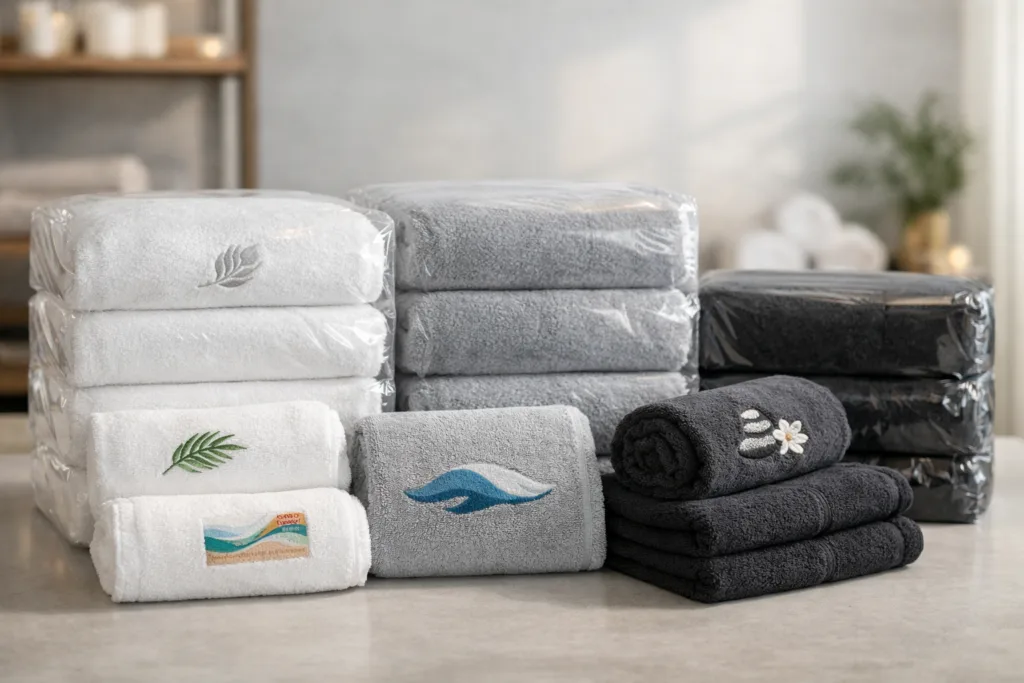
Achieving a smooth buy towels in bulk experience starts with understanding the essentials. Minimum Order Quantities (MOQs) vary widely—1000 units for branded retail packs, often higher for custom textiles or specialty weaves. Planning around supplier lead times, typically 4–8 weeks, is critical for smooth inventory management, especially for hotels, gyms, or seasonal events.
Prepare your artwork files and written specs clearly: precise dimensions, color codes, sample references, and branding layouts. Proofing rounds help catch errors before mass production. Be sure to review packaging and shipping requirements—whether you need compact cartons, shelf-ready sets, or export-ready bales.
Best practices include:
- Defining delivery timelines and holding suppliers accountable
- Requesting pre-production and final samples
- Verifying shipping and customs documentation
- Partnering with suppliers who maintain flexibility for reorders
Working with production-oriented partners, such as Circe Towel, can help address challenges around custom fabric sourcing or variable GSM specs, thanks to first-hand knowledge of textile manufacturing constraints.
Frequently Asked Questions
What is the typical minimum order quantity for bulk towels for sale?
Minimums can range from 500 to 2,000 pieces depending on material, embroidery, and packaging needs; custom designs may require higher MOQs, so check with your supplier early.
How long is the production lead time for bulk towel orders?
Standard lead times are 4–8 weeks from artwork approval but can vary based on order complexity and current factory schedules; samples typically add 1–2 weeks.
Which towel material offers the best balance between absorbency and durability?
High-GSM cotton provides premium absorbency and softness for hotels and spas, while microfiber blends excel in durability and quick drying for gyms and events.
Can I customize towels with my brand’s logo for a promotional event?
Yes, most suppliers offer embroidery, jacquard weaving, or digital printing for branding; consider order quantity, branding method, and timeline to match your campaign calendar.
What are common quality problems with bulk towels and washcloths?
Typical issues include excessive lint, poor edge stitching, color fading, low absorbency, or rough texture after washing; thorough sampling and specification help prevent these problems.
How do I handle a bulk towel order issue after delivery?
Immediately document and photograph the defects, contact your supplier with clear details, and review warranty or replacement terms for effective troubleshooting and resolution.
Related Reading
- Expert Checklist for Selecting Reliable Towel Manufacturers
- Bulk Towel Production: From Sampling to Lead Time Explained
- Which Custom Logo Method Suits Your Bulk Towel Branding Strategy?
- Essential Towel Quality Tests Top Brands Use Before Shipping
- Understanding Absorbency: The Science Behind Great Bulk Towels