
Introduction to Launching a Towel Brand
For anyone asking how to start a private label towel brand, the journey begins with sound decision-making and a clear understanding of the business fundamentals. Private label towels are bespoke products manufactured by third parties and branded under your own label, while custom branded towels typically involve adding specific colors, logos, or designs to reinforce your brand identity.
The market for custom towels is rapidly growing, driven by demand from hotels, gyms, spas, retailers, and event organizers. Bespoke towel lines allow brands to stand out in competitive hospitality, sports, and wellness niches, offering tailored features and designs not found in generic retail products. Entering the market with a private label towel means more than just picking a logo—it’s about aligning product, brand, and user experience from the very beginning.
Launching a towel brand involves several critical steps: selecting products, defining positioning, sourcing and approving samples, planning packaging, careful pricing, placing your first order, crafting your brand imagery, establishing sales channels, and managing replenishment. Each step is a building block, and quality should remain a consistent focus throughout.
Knowing your target market—whether that’s boutique hotels seeking soft luxury, gyms prioritizing rapid drying, or retailers demanding unique prints—is essential for creating a towel collection that performs and delights. Success comes from attention to detail and readiness to adjust along the journey, not just following a generic e-commerce playbook.
Selecting Your Towel Products
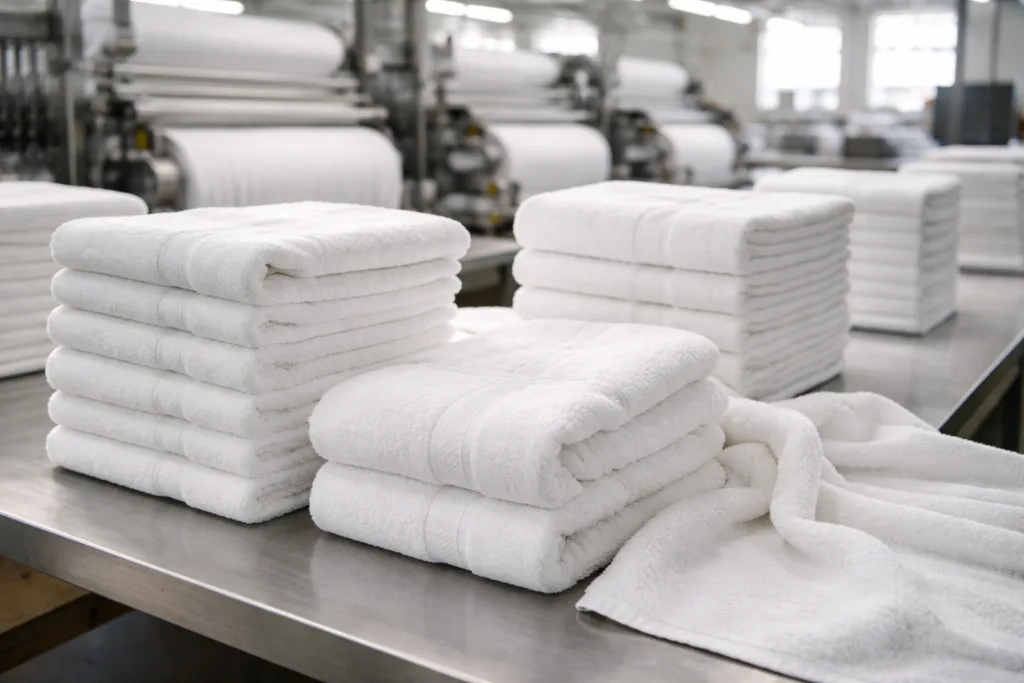
The heart of every towel brand is its product range. When choosing your custom branded towels, start by understanding the key types available:
- Bath towels – Central for hospitality and home.
- Hand and face towels – Everyday essentials in both hospitality and retail.
- Beach towels – Distinct for summer, resort, and promotional lines.
- Sports and gym towels – Designed for performance and quick-dry use.
- Specialty towels – For kitchen, baby, spa, or automotive applications.
Selecting the right product mix hinges on the needs of your customer base. Retailers selling to families might prioritize soft, durable bath towels, while fitness studios may demand lightweight, highly absorbent gym towels (gym towels manufacturer). Demographics—such as travel habits, wellness interests, and eco-values—influence which towel styles will make the most impact.
Track market trends. Sustainability, for instance, is an emerging driver, with bamboo or recycled microfiber gaining popularity among eco-conscious shoppers. Likewise, innovative textures (like waffle or velour) and bold prints, as seen in many beach towels manufacturer offerings, can differentiate your towel line from competitors.
Functionality is critical. Gym towels demand quick-drying and antimicrobial properties, while hotel and spa towels are judged by plushness, brightness, and wash durability. A golf towel requires a carabiner loop; a kitchen towel needs lint-free performance. Don’t try to launch with every SKU—start with a core selection and monitor feedback before expanding your assortment. This approach lets you test market response without overcommitting inventory or capital.
Defining Your Brand Positioning
The identity of your private label towels goes well beyond the fabric. Brand positioning answers: Who are your towels for? What experience do you promise?
Define your target audience first. Are you serving boutique hotels, fast-paced gyms, or retail shoppers seeking unique home goods? Their preferences—softness, durability, color palettes, eco-values—should shape every aspect of your towel range. Research competitors closely. What are established brands offering? Where can you be audacious or excel—perhaps in colorfastness or in creating limited-edition prints?
Crafting your brand includes more than picking a logo. Elements like tone, messaging, color schemes, and storytelling come together to elevate perception. Whether you want your private label towels to convey classic elegance, playful design, or ultra-performance, your visuals and product claims must align.
Storytelling bridges emotion and product. Share the “why” behind your materials, the testing you require, or the inspiration for your designs. If you focus on sustainability, weave that into your product choices and packaging. If your brand is about energetic performance, build in technology and functional benefits. Ensure every touchpoint—packaging, sizing, feel—reflects your brand’s promise and values, so the customer experience is authentic and consistent.
Sourcing Samples from Manufacturers
A critical milestone in learning how to start a private label towel brand is choosing the right towels manufacturer and reviewing samples before full-scale orders. Reliability, product range, production capability, and communication style are vital factors when evaluating partners.
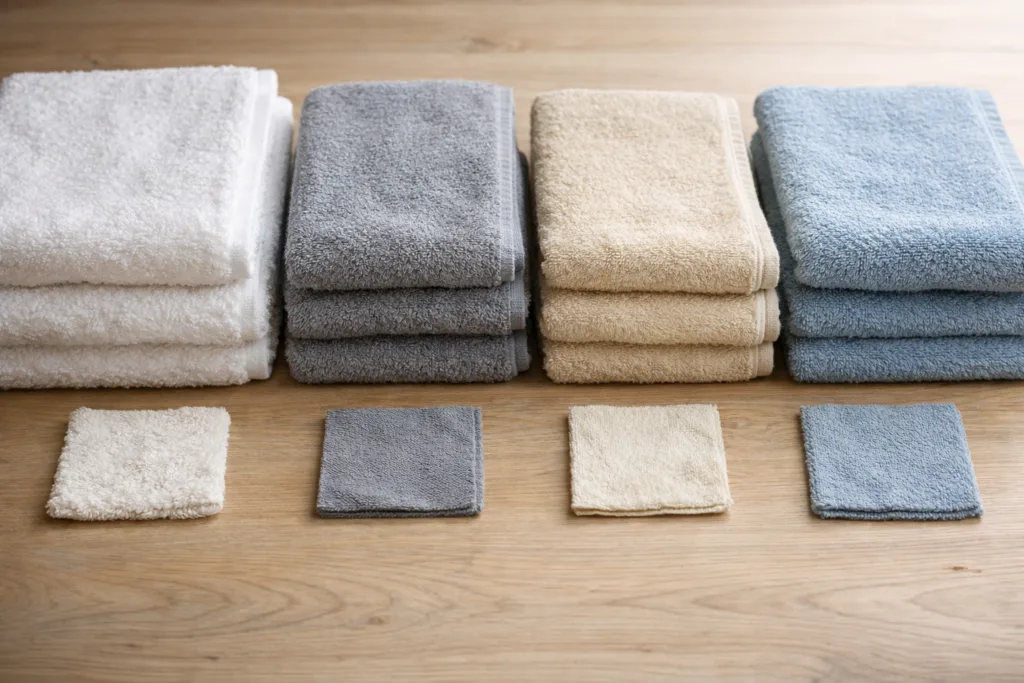
Begin by researching towels manufacturers specialized in your desired towel types and production volumes. Look for experience with similar clients, the ability to customize GSM, and facilities certified for quality and sustainability. Requesting samples is standard practice; expect a short-list of 2–3 partners willing to provide fabric swatches, finished towels with your chosen construction, or even custom-decorated proofs.
Evaluate each sample for key indicators: fiber quality, softness, absorbency, stitching, logo clarity, color consistency, and finishing. Don’t overlook packaging—request to see boxing, labeling, or bagging options. Before making a decision, gather feedback from your core target users. Their hands-on impressions, sometimes on details like linting after the first wash, can tip the balance between similar options.
Clear, ongoing communication with your supplier is essential. Establish points of contact, flag must-have requirements, and clarify expectations around timelines and repeatability. At this stage, it’s also wise to discuss potential minimums, lead times, and support for scaling production as your brand grows.
Towel Material Comparison
Material selection is central to your custom branded towels’ performance, appearance, and positioning. Let’s break down the primary towel fabrics—and how they impact absorbency, feel, and branding opportunities:
| Material | Absorbency | Softness | Durability | Eco-Friendliness | Common Uses |
|---|---|---|---|---|---|
| 100% Cotton | High | Very Soft | Good | Conventional: Fair; Organic: Very Good | Hotel, Bath, Beach |
| Microfiber | Very High | Soft | Excellent | Recycled blends possible | Gym, Sports, Cleaning |
| Bamboo Blend | High | Ultra Soft | Medium | Good (renewable, less chemical) | Baby, Spa, Boutique |
| Cotton-Poly Blend | Medium | Good | Very Good | Moderate | Promotional, Bulk, Value |
Softness and absorbency are prioritized in luxury and personal-use towels—like plush bath towels or spa lines. Gym and sports towels, meanwhile, benefit from microfiber’s quick-dry traits and lightweight handling (quick-dry microfiber gym towel for fitness equipment).
Sustainability is increasingly important for both B2B and DTC buyers, making organic cotton and bamboo more attractive. However, these often come at a higher cost or with unique sourcing challenges. Recycled polyester/microfiber towels offer environmental benefits in certain contexts and may appeal to institutional buyers.
The durability of your custom branded towels will also depend on fiber type. Ring-spun or combed cotton delivers plushness and longevity, but is more expensive. Microfiber resists color fading, abrasion, and shrinkage, ideal for repeated use in gym or cleaning markets. Demographics play a role: hospitality and gift buyers typically favor premium cotton, while sports and wellness brands opt for microfiber or technical blends.
Understanding Construction and Decoration Methods
The construction and decoration choices you make for your private label towels impact both function and brand impression. There are several key towel constructions:
- Terry: Classic, looped pile maximizing absorbency; dominant in bath and hotel towels.
- Velour: Sheared surface for smooth feel and vivid print reproduction, often for branded beach or promo towels.
- Waffle: Honeycomb texture that dries quickly, offers a lightweight hand.
- Jacquard: Woven designs, often with intricate graphics for prestige branding (Jacquard towel manufacturing explained).
Decoration options further personalize your line. Embroidery gives logos a premium, tactile finish but is best suited to heavier fabrics and smaller motifs. Printing—reactive, digital, or screen—allows for vibrant, full-color artwork, with reactive preferred on cotton and digital for high-detail or photo effect (Custom logo towels: Embroidery, Jacquard, and Printing Methods).
Each technique has trade-offs. Embroidery withstands washing well and appeals to luxury markets, but costs more and slows production. Printed towels are less costly and versatile but may fade over dozens of washes. Jacquard brings sophistication but higher complexity and minimums. Align these decisions with your market—retail may prioritize visual appeal and print, hospitality may prefer stitched-in longevity, and promos often need cost-efficient, bold decoration.
Thoughtful logo placement (borders, corners, full surface) and clear design guidelines ensure brand consistency and maximize impact. At Circe Towel, our production teams commonly advise buyers to prototype both embroidered and printed versions to test wear, visual clarity, and market perception before roll-out.
Creating an Effective Packaging Strategy
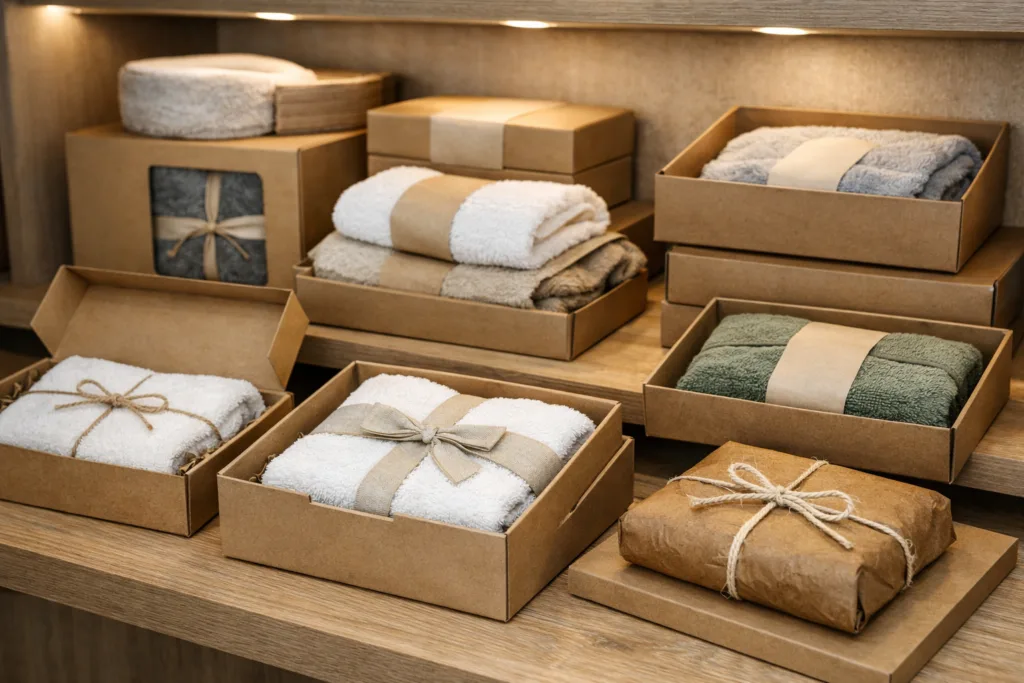
Packaging is a vital extension of your custom branded towels, influencing first impressions and buyer confidence. For promotional or retail-facing towels, branded sleeves, boxes, or bands highlight logos and convey trust. Eco-friendly packaging—like recycled kraft paper or biodegradable bags—signals commitment to sustainability and can enhance your brand narrative.
Customizations—like color-matched wraps, window cutouts, or even monogram cards—transform towels into memorable gifts or premiums (products). Clear labeling is essential. Brand elements and wash instructions help buyers understand product value and longevity, especially important in the hospitality sector where volume reordering is frequent.
The unboxing experience, from tactile feel to easier unfolding and repacking, can sway repeat business. Experiment with smaller runs of new packaging styles (for launches or holiday releases) to monitor buyer response without overcommitting on costs. Cost-effective solutions, such as printed bands or simple ribbons, can strike the right balance between impact and budget, maintaining a high-quality appearance throughout.
Pricing Your Towels Competitively
Sustainable success for private label towels hinges on a thoughtful pricing strategy. The key drivers include material costs (premium organic cotton, for example, versus microfiber), manufacturing methods, decoration complexity, and order volume.
Begin by mapping out your full cost structure: raw materials, labor, packaging, shipping, customs, and operational overheads. Set minimum profit margins in line with your market—wholesale typically requires thinner margins but greater volume, while boutique or retail sales may allow for higher markups. Competitor analysis is crucial. Compare similar products, materials, and finishes from other brands, adjusting for differentiators in your towels (like higher GSM or unique construction).
Tiered pricing works well when addressing multiple markets. You might offer basic branded towels for promotional giveaways, premium lines for luxury hospitality, and an exclusive collection for retail partners. Keep pricing consistent across sales channels to prevent confusion or erode brand value.
For guidance on how to benchmark your towels within the broader market, tools like detailed cost sheets, historical order data, and open discussions with your towels manufacturer will yield useful insights for sustainable, competitive pricing.
Planning Your Initial Order
Placing your first order with a towels manufacturer is both exciting and crucial. Start by confirming Minimum Order Quantities (MOQ); these vary by towel type, material, and decoration method. Be transparent with your manufacturer about your expectations and growth projections—suppliers appreciate honesty and may offer flexible solutions for new brands.
Lead times for private label towels often range from 3–8 weeks, depending on order size, material sourcing, and decoration complexity. Always factor in transportation time and customs clearance, especially if you’re importing. Negotiating realistic lead times up front prevents surprises during your launch window.
Batch testing is advisable for first orders. Ask for a pre-production sample from your initial bulk run, and plan for a partial shipment to stress-test logistics and product consistency. Balance inventory against predicted demand: over-ordering risks tying up cash, under-ordering can delay brand growth. Spreading out smaller, regular replenishment orders allows for more responsive adjustments in the early stages.
Marketing and Selling Your Towel Brand
Getting your custom branded towels in front of buyers requires a multi-channel approach. Online stores and brand websites provide direct control, while retail partnerships and specialty shops amplify reach. Trade shows remain effective for B2B connections and hospitality buyers—but the digital shift has boosted social media and content marketing as primary drivers of brand discovery.
Building engaging content is key. Show behind-the-scenes glimpses of your towel selection, manufacturing process, or packaging innovations. Eye-catching product photography, user-generated content, and video demos can elevate your presence and instill trust. SEO-optimized product descriptions—targeting terms like “how to start a private label towel brand,” “custom branded towels,” and specific material attributes—improve search visibility and conversion.
Partnering with influencers or affiliates can introduce your towels to new industries or regions. Select voices that align with your values and market positioning. For hospitality, consider collaborating with travel bloggers or hotel management consultants; for sports, target athletes or coaches.
Internal links from high-value content—such as an expert guide on towel supplier audits (auditing your towel supplier) or a breakdown of towel sourcing models (which towel sourcing model is right for you)—build credibility and direct buyers deeper into your brand story. Track all results and adjust your marketing plan based on what resonates most with your target market.
Frequently Asked Questions
What mistakes do new towel brands make in product selection?
Common pitfalls include launching with too many SKUs, ignoring local market demands, or assuming one towel type fits all use cases instead of tailoring each product’s material and feature set.
What is GSM, and how does it affect towel quality?
GSM stands for grams per square meter and measures towel density; higher GSM means a thicker, more absorbent towel, but also longer drying times and heavier feel—choose based on your brand goals.
How do manufacturers handle customization requests for private label towels?
Most manufacturers offer a range of options including color, size, logo/label sewing, embroidery, printing, and private label packaging; clear written guidelines ensure samples match expectations.
What is the typical timeline from sample approval to delivery?
Once you approve samples, production and delivery commonly take 4–8 weeks depending on the order size, complexity, and global supply chain or shipping factors.
How can brands ensure towel quality meets expectations?
Regularly test samples for absorbency, softness, wash durability, linting, and colorfastness; request third-party lab reports and work closely with your manufacturer on quality controls throughout production.
What happens if private label towel orders arrive with defects?
Most reputable suppliers have policies for returns, remakes, or credits for defective products, but clear communication, documented agreements, and pre-shipment inspections help prevent issues.
Related Reading
- How to Select the Right Sourcing Model for Your Towel Brand: OEM vs. Private Label vs. Custom
- 20 Essential Questions for Smoother Towel Sourcing, Sampling, and Shipping
- Auditing Towel Suppliers: Pro Strategies for Consistent B2B Quality
- The Power of Jacquard Weaving in Custom Towel Branding
- Eco-Friendly Towel Manufacturing: Organic Cotton and Recycled Materials Explained
- How Brands Test Towel Quality Before Shipping: Industry Best Practices