
Introduction to Premium Cotton Towels
Premium cotton towels are one of the most in-demand products in the hospitality, retail, and promotional sectors today. With rising expectations for comfort and brand quality, businesses are seeking out materials and factories renowned for excellence, especially those specializing in turkish towels cotton and other long-staple varieties.
The difference between a regular towel and a premium cotton towel comes down to several factors: the length and quality of the cotton fibers, the way the towels are woven, their weight (GSM), and how they perform wash after wash. While ordinary cotton may feel rougher and lose its softness and absorbency over time, premium options like Turkish cotton and Supima cotton stand out for their luxurious hand feel, superior performance, and even their appearance when displayed to guests or customers.
Turkish cotton in particular is gaining ground thanks to its exceptional combination of softness, absorbency, and resilient pile—making Turkish cotton towels a staple in high-end hotels, spas, and retail environments. The use of long-staple cotton is also central to achieving distinction in towel quality; longer fibers create stronger, smoother, and less lint-prone towels.
As sustainability becomes a priority across the textile industry, manufacturers are developing eco-friendly production methods and sourcing practices—appealing to buyers looking for both luxury and environmental responsibility.
Understanding Cotton Varieties
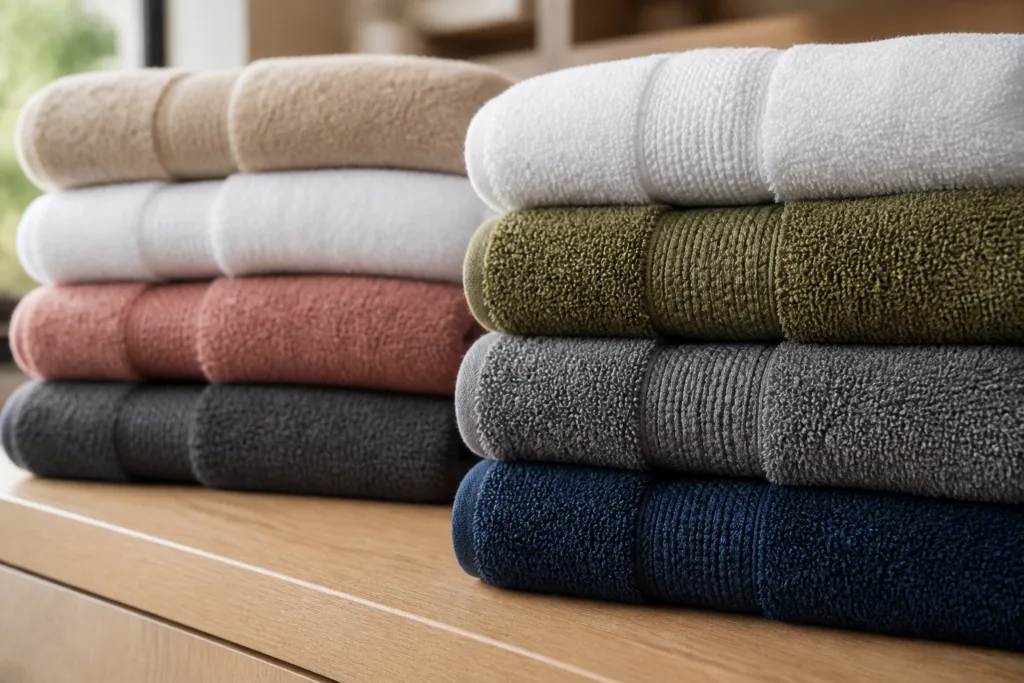
The quest for the ideal towel often starts with cotton selection. Let’s break down the popular varieties. Turkish cotton is known for its long, smooth fibers that result in exceptionally soft and fluffy towels. These fibers are slightly shorter than Egyptian or Supima, but this gives Turkish cotton towels an edge: they are plush yet quick-drying, perfect for both home and commercial use.
Supima cotton is an American-grown variant of extra-long staple pima cotton. Sought after for luxury applications, a premium supima cotton bath towel boasts a silky, almost lustrous finish that holds its color and resists pilling through years of use. Supima towels tend to feel denser and more substantial, embodying the pinnacle of spun cotton excellence.
When you hear industry professionals discuss long staple cotton towels, they’re referring to the length of the fiber, not just the source. Long staple (versus short or regular staple) means that the cotton threads can be spun finer and tighter, leading to lasting softness, strength, and reduced linting. Whether Turkish, Supima, or Egyptian, long staple cotton is prized for plushness, superior absorbency, and fabric resilience after many washes.
Comparing these varieties, Turkish cotton bath towels often win in hospitality for their fluffiness and efficient drying, while premium supima cotton bath towels are a retail favorite for their elegant drape and luminous color. Sourcing and production practices matter too; reputable factories ensure fair cotton sourcing, minimal chemical use, and quality control at every step.
Material Comparison: Cotton vs. Other Fabrics
B2B buyers often weigh cotton towels against alternatives like microfiber and bamboo. Each material has its application, but understanding realistic trade-offs is essential. Cotton, especially turkish towels cotton, delivers unmatched absorbency and a gentle, welcoming hand feel. Microfiber towels, meanwhile, dry quickly and are less bulky—making them popular for sports or cleaning, but they can’t match cotton’s natural plushness or elevate a brand’s tactile impression.
Bamboo blends (cotton-bamboo or pure bamboo towels) add an eco-friendly story and a silky touch, but they tend to be less resilient and may not hold up as well under repeated hospitality laundering. Blended fabrics, such as cotton-polyester, reduce cost and drying time but usually sacrifice the premium look and feel needed for upscale markets.
- Cotton: best for brand positioning in hospitality, spa, or high-end retail.
- Microfiber: excellent for promotional sports towels or cleaning applications.
- Bamboo: niche markets that value sustainability but can accept less plushness.
For brands that prioritize absorbency, touch, and product longevity, Turkish cotton bath towels or their premium supima counterparts remain the industry gold standard. Real-world hotel chains and luxury gyms routinely select cotton over synthetics when customer experience matters most. For more, see our discussion of cotton towel product range and bath towel manufacturer options.
Towel Construction and Manufacturing Methods
Towel construction has a significant impact on performance and branding. The most common construction is terry, featuring loops on both sides for maximum absorbency and a plush feel. For Turkish cotton bath towels, terry is the default due to its comfort and ability to absorb large amounts of water. Velour towels, on the other hand, are sheared for a smooth finish—great for custom printing and retail appeal but less absorbent than full terry.
Waffle and jacquard constructions offer texture and visual distinction. Waffle towels are lightweight and quick-drying, making them a fit for spas and gyms, while jacquard allows intricate patterns and logos woven directly into the fabric, ideal for brands seeking durability and a premium look. Embroidery offers high-end branding but increases cost, while digital printing opens creative opportunities without bulk limitations.
Choosing the right manufacturing method involves trade-offs. Embroidery outlasts screen printing but may alter towel softness. Jacquard is best for logos needing longevity. Velour projects luxury but requires careful finishing to maintain absorbency. Circe Towel, for example, often advises hospitality clients to select terry with reinforced borders and colorfast dyes for maximum performance. See more in our jacquard towel guide.
Design & Specification Checklist
When sourcing premium cotton towels, a concise specification checklist streamlines decisions and outcomes. Size, GSM (grams per square meter), and material type are the basics, but details can make or break a project. Durability starts at the edges—well-executed hem stitching means less fraying and better longevity. Logo application is both a technical and strategic choice: embroidery for high-value markets, supersoft printing for volume promotional runs.
| Specification | Recommended Range | Key Impact |
|---|---|---|
| Size (Bath Towel) | 70x140cm – 80x160cm | Coverage & presentation |
| GSM | 450 – 700 GSM | Weight, plushness, absorbency |
| Material | Turkish, Supima, Long-staple | Softness, durability |
| Edge Finishing | Double stitched, piped | Durability, aesthetics |
| Logo Method | Embroidery, print, jacquard | Branding appearance |
| Colorfastness | 4–5 (ISO scale) | Longevity, wash performance |
| Packing | Custom sleeve, polybag, box | Brand image, shelf appeal |
Absorbency, softness, and color retention are intertwined with the GSM and fiber quality. For a premium supima cotton bath towel, a higher GSM often means increased plushness, but might slow drying, so weigh priorities for your market. For more, see the bath towel private label checklist.
Quality and Testing Measures
Ensuring towel quality goes beyond just raw materials. Key testing includes absorbency (how much water is held after five seconds of immersion), wash durability (tracking softness and linting over 10+ cycles), and shrinkage control (less than 5% is considered premium). Factories also assess colorfastness: good Turkish towels cotton should sustain color even after repeated laundering in commercial environments.
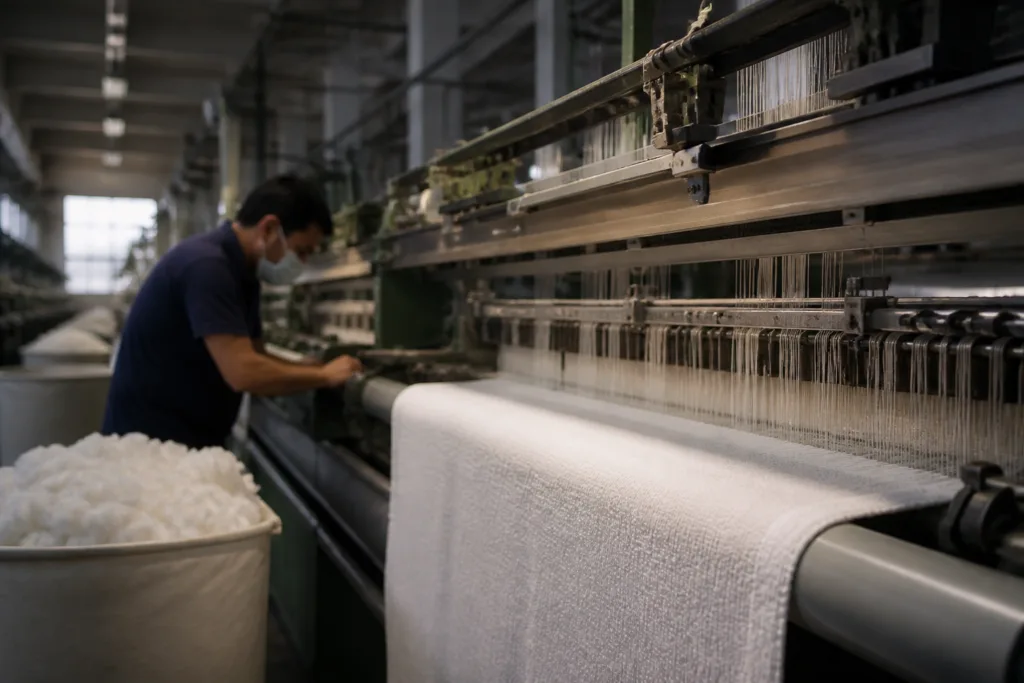
Stitching quality on hems, borders, and logo applications is a mark of true craftsmanship. Consistency across production batches safeguards order reliability—a central concern for B2B buyers. Leading manufacturers, including Circe Towel, follow international standards (e.g., ISO, OEKO-TEX) and may conduct fabric performance audits to catch quality deviations. For a deeper dive, refer to our towel quality testing guide.
Industry Applications and Market Fit
Premium cotton towels serve distinct roles across industries. Hotels and spas demand Turkish cotton bath towels for their lasting softness, absorbency, and the luxury message they send to guests. Fitness centers and sports clubs often use long staple cotton towels for high-frequency laundering and fast-dry capability.
Corporate gifts and promotional campaigns leverage towels as visible, high-value branded merchandise—often opting for custom embroidery to reinforce premium perceptions. Niche segments, like luxury retail or curated gift boxes, gravitate toward Turkish towels with luxury finishing or striped cotton designs for a unique shelf presence.
Seasonal spikes are common—summer for beach towels, winter for thicker bath towels—so aligning stock planning with promotional or retail cycles is key.
Customization Options for Branding
Branding potential is a major driver when investing in premium towels. Embroidered logos elevate product value but add production time and setup cost. Printed branding—especially digital—allows creative flexibility but may not endure heavy washing in the same way. Jacquard weaving embeds patterns within the fabric itself, balancing style with durability; see our full logo towel method guide.
Border customization, from decorative piping to contrast stitching, personalizes the towel further. Packaging presents another opportunity, such as recyclable sleeves, window boxes, or luxury ribbon wraps—all critical, especially in retail or gifting environments. Private label programs unlock further potential; factors to consider include MOQ, lead time, material allocation, and logo technique suitability.
For a premium supima cotton bath towel going into retail, matching branding methods to end-user expectations is key: embroidery for high shelf value, woven jacquard for low-maintenance logos, or gift box packaging for seasonal lines.
Common Mistakes and Troubleshooting
Even experienced buyers sometimes misjudge GSM, choosing towels that are either too bulky to dry quickly or too thin for a luxury experience. Weak or poor-quality fabrics—incorrect turkish towels cotton blends, for example—result in fading, weak absorbency, or an undesirable hand feel. Inadequate pre-treatment leads to excessive shrinkage or linting, undermining brand reputation.
For logo decoration, selecting the wrong method can impact both appearance and towel softness. Excessive embroidery coverage might create stiffness, while cheap printing may fade. Loose stitching at edges or hems shortens product life. The remedy is clear: always align product specs and branding choices with both the end-user’s tactile expectations and the technical realities of commercial laundering.
Ordering Guide for B2B Buyers
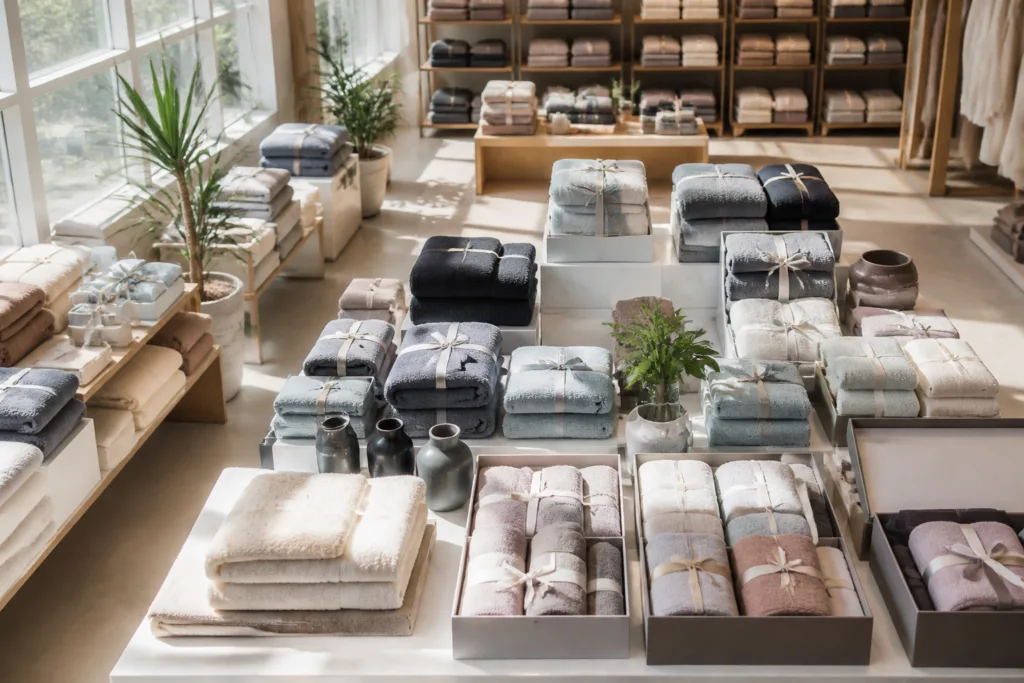
Ordering towels in bulk requires a thoughtful approach. Minimum order quantities (MOQs) vary by factory and towel type—custom jacquard or premium supima cotton bath towel runs often start at 500 to 1000 pieces. Custom features (embroidery, special dyes) extend lead times, often 4–8 weeks after sample approval.
Preparing good artwork and clear specifications avoids costly reworks. Discuss packing options upfront—bulk polybags for hospitality, custom boxes for retail. Good communication throughout sampling, proofing, and pre-shipment inspection stages is essential for smooth project management. Circe Towel regularly provides sample batches to ensure buyers can validate quality, branding, and packaging before bulk production. Additional insights can be found in the MOQ and cost structure guide.
Frequently Asked Questions
What is the difference between Turkish and Supima cotton towels?
Turkish cotton towels feature extra-long but moderately thick fibers for a plush, fast-drying feel, while Supima cotton towels have extra-long, finer fibers yielding a denser, silkier texture and higher color intensity.
How do I ensure my towels are colorfast?
Choose towels made with high-quality reactive or vat dyes, request colorfastness certifications (rating 4–5), and confirm with your supplier that batch tests meet commercial laundering standards.
What is the ideal GSM for a bath towel?
A GSM of 500–650 is typical for premium bath towels, balancing plushness and drying speed; hospitality prefers 500–550, while retail or luxury sectors may go as high as 700 GSM for extra volume.
Can I order samples before committing to a large order?
Yes, reputable manufacturers offer pre-production or stock samples for review before bulk orders, allowing you to verify material, construction, and branding methods firsthand.
What customization options are available?
Options include embroidery, jacquard weaving, digital or screen printing, border designs, custom sizes, packaging, and private label programs to align with branding goals and target markets.
How do I maintain the quality of cotton towels?
Wash at moderate temperatures, avoid fabric softeners (they inhibit absorbency), follow care labels, and periodically inspect for loose stitching to ensure product longevity and tactile quality.
Related Reading
- How to Build a Profitable Private Label Bath Towel Program: Steps, Materials, and Sourcing Tips
- Insider Tips to Selecting a Towel Manufacturer for Your Brand’s Success
- Mastering Towel Absorbency: How Loops, Yarn Twist, and Fiber Type Affect Results
- Your Complete Guide to MOQ, Sampling, Quality Testing, and Lead Time in Custom Towel Manufacturing
- Quality Checklist: What Towel Brands Inspect Before Shipment