
Introduction to Beach Towels in the Resort and Retail Industry
Beach towels are more than just functional products—they are a core component of the guest experience and powerful tools for brand identity. Whether it’s a beachfront resort handing out vibrant custom beach towels to guests or a retail brand launching a new summer line, towels play a key role in visuals, comfort, and consumer satisfaction.
Demand for beach towels shifts with the seasons. Brands prepare for spikes during summer holidays, travel seasons, and gifting periods. The flexibility to launch new collections or limited-edition designs tied to seasons or events is a strategic advantage for both hospitality and retail sectors.
Promotional and gifting strategies often use custom beach towels as high-value, memorable items. Their generous surface area allows brands to showcase bold graphics, logos, or limited-run artwork. For retail, eye-catching towels invite impulse purchases and allow for creative visual merchandising.
Customization and private label opportunities are abundant, enabling brands to tailor towels for hotel rooms, spas, poolside lounges, or seasonal retail launches. The beach towel becomes a brand interface, tying together comfort, practicality, and identity through thoughtful design and quality.
Essential Definitions and Basics
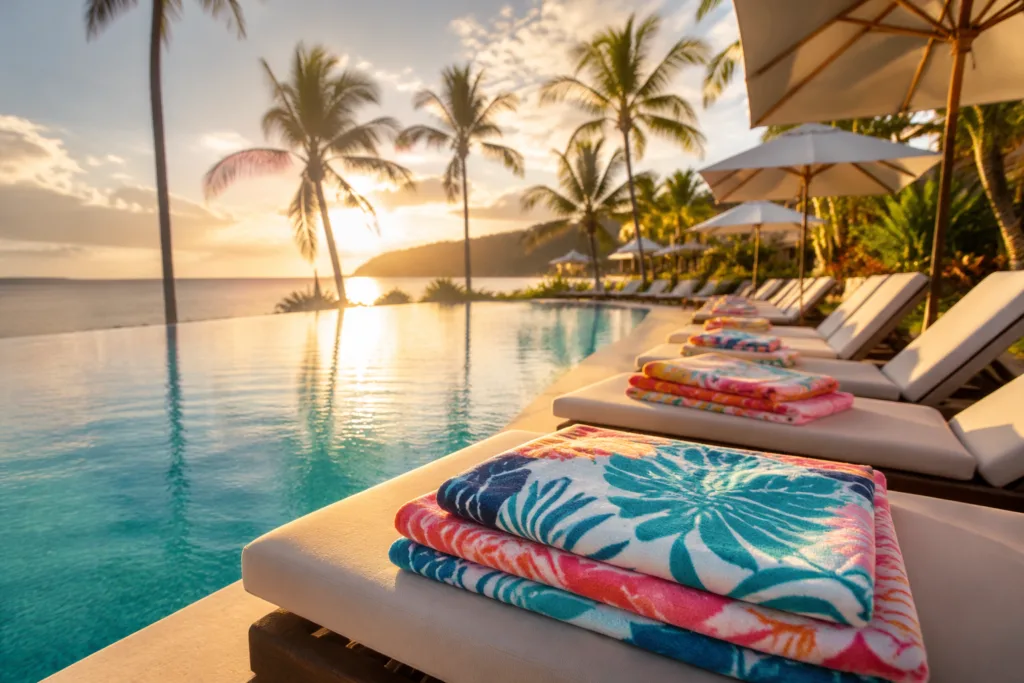
To develop private label beach towels effectively, it’s essential to understand the product landscape. Unlike standard bath towels, beach towels are typically larger, more colorful, and designed for outdoor use, often with a focus on quick drying and stand-out patterns. They must handle sun exposure, pool or seawater, and frequent washes—meaning durability and colorfastness are critical.
Private label refers to products manufactured by one company for sale under another company’s brand. For towels, private label solutions let resorts and retailers create collections that fit their branding without investing in manufacturing facilities.
Customization—through color, size, graphic design, or logo application—elevates beach towels into unique brand touchpoints. Factors like embroidery, digital printing, or jacquard weaving all influence the finish and final appeal.
GSM (Grams per Square Meter) is a measurement of fabric density and thickness. Higher GSM indicates higher absorbency and softness, but may mean longer drying times—a key trade-off for beach towel design. Material choice, especially between cotton and microfiber, impacts not just feel but also wash performance, weight, and longevity.
Personalization options range from name embroidery to fully customized packaging, offering brands and buyers tools to align towels closely with broader marketing goals. Understanding these basics lays the groundwork for a successful private label beach towels program.
Material Comparison for Beach Towels: Cotton vs. Microfiber
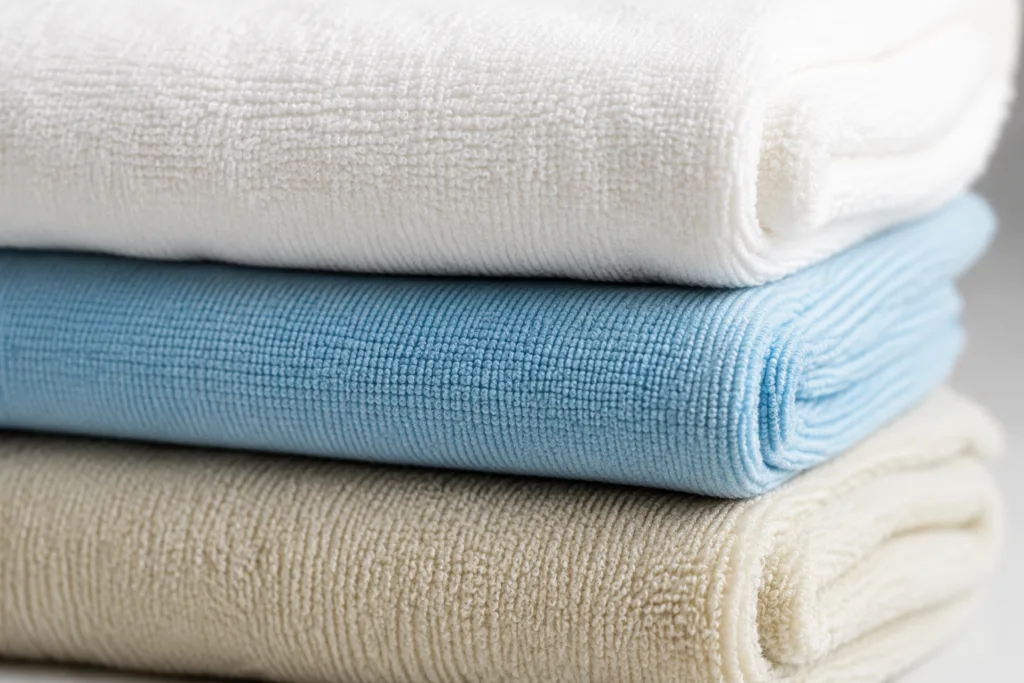
Selecting the right textile is foundational for developing personalized beach towels that perform and impress in the chosen market. Cotton remains a favorite for its natural softness, excellent absorbency, and plush feel. High-quality cotton, such as Turkish or Egyptian, elevates luxury perception—a valuable asset for high-end resorts or boutiques.
However, cotton towels can be heavier, hold more water, and take longer to dry. For situations where portability or rapid turnaround is key—such as adventure travel or sports clubs—microfiber is a compelling alternative. Microfiber towels are lightweight, quick-drying, and easier to pack, though they may feel less plush compared to traditional cotton. Their strength lies in practicality and vibrant color retention.
Bamboo and blended fabrics (such as cotton-bamboo or cotton-polyester) are gaining traction. These blends can offer increased softness, antimicrobial properties, or eco-friendly messaging. The trade-offs often involve higher costs or differences in dye absorption and durability.
Material choice should align with your brand’s target demographics. Family-focused resorts prioritize safety and comfort, while sporting events may value lightweight, fast-drying towels. Environmental impact is increasingly important; inquire about sustainable sourcing, organic certifications, or recycled fiber options that resonate with eco-aware consumers.
- Cotton: Plush, absorbent, preferred for luxury, slower drying.
- Microfiber: Lightweight, quick-drying, compact, ideal for active or travel markets.
- Bamboo/blends: Soft, eco-friendly, additional marketing story.
- Demographics: Match material features to customer expectations and price point.
- Sustainability: Certify sourcing for eco-conscious positioning.
The material is the first step toward creating personalized beach towels that truly align with your customers’ values and your market proposition.
Beach Towel Construction: Understanding Different Weaves
Beach towel construction shapes both tactile feel and perceived value. Four weaving methods dominate: terry, velour, waffle, and jacquard. Terry is the classic looped weave, renowned for maximum absorbency and a cozy hand-feel—ideal for hospitality and home markets. Velour towels are created when terry loops are sheared, resulting in a smooth, velvet-like finish on one side that’s perfect for high-definition prints or vibrant patterns favored by retail brands.
Waffle weaves introduce a unique texture and fast-drying properties, especially appealing in active or health-conscious environments. Jacquard weaving enables intricate patterns or text to be woven directly into the towel, offering both durability and a prestigious aesthetic for upscale collections or exclusive promotions.
Fabric weight (GSM) and weave interact to define the final product: heavier weights increase plushness, lighter weights enhance portability. Construction choices also affect the luxury perception and how well a towel performs after repeated use and washing.
For example, Circe Towel often works with brands to balance construction and material for resort, spa, and high-traffic promotional uses, ensuring towels maintain their appeal and structure over time. Real-world selection often looks like this:
| Weave Type | Main Features | Ideal For | Key Trade-Offs |
|---|---|---|---|
| Terry | Looped, super absorbent, plush | Hotels, beach clubs | Slower drying, heavier |
| Velour | Smooth, print-friendly | Retail, gifting, logos | Lower absorbency (surface) |
| Waffle | Textured, quick-dry | Sports, gyms, travel | Less plush feel |
| Jacquard | Intricate woven design, durable | High-end, luxury, branded | Higher cost, design complexity |
By understanding weave types, brands can match their offering with customer expectations and usage context, while also controlling production costs with guidance from an experienced beach towel manufacturer.
Design and Specification Checklist for Beach Towels
Launching custom beach towels requires precise definition of specifications and brand criteria. Begin with size: standard beach towels often range from 70x140cm to 80x160cm for adults, with oversized and round options popular in luxury or family-oriented settings. GSM, as discussed, drives feel and performance—typically 300–450 GSM for lightweight, up to 600+ GSM for plush luxury.
Material composition is key: choose pure cotton for absorbency, microfiber for fast-drying, or blends for specialty use. Edge finishing impacts both look and durability; double-stitched hems or decorative borders boost perceived quality and retail shelf appeal.
Logo placement can be optimized for visibility—embroidery works near corners, while large-format printing suits bold center designs. Consider absorbency and softness benchmarks when evaluating lab samples. For outdoor and beach environments, colorfastness is critical; request test results or certifications. Packaging expectations vary: retail brands often require branded boxes or wraps, while hospitality may opt for bulk packs or recycled polybags.
| Specification | Recommended Range | Comments |
|---|---|---|
| Size | 70x140cm – 90x180cm | Standard adult to oversized |
| GSM | 300 – 600+ | Lighter for bulk; higher for luxury |
| Material | Cotton, Microfiber, Blends | Match to target market |
| Edge Finish | Double stitched, decorative | Boosts durability, appeal |
| Logo/Decoration | Embroidery, Print, Jacquard | Align with design and application |
| Packaging | Branded retail, bulk, eco | Reflects brand, shelf-readiness |
Use this checklist to streamline project briefs for custom beach towels and align supplier output with your commercial goals. For tailored example specs, see Circe Towel’s beach towels manufacturer page for reference case studies.
Ensuring Quality: Testing and Standards
When sourcing private label beach towels, quality assurance separates successful launches from costly mistakes. The first priority is absorbency testing—does the towel soak up water and dry quickly, even after laundering? Wash durability checks confirm if thickness, color, and softness persist after repeated machine cycles.
Shrinkage is another factor: branded towels that lose shape or size after a few washes damage the guest or buyer experience. Ask your supplier for shrinkage test results (ideally below 5–7%) and demand robust colorfastness ratings, especially for vivid or dark colors destined for intense sun.
Stitching quality is vital. Examine for double hems, tight seam density, and reinforced corners—these details keep towels intact through tough use. Lint control matters for both perception and practical housekeeping in hospitality. Reliable manufacturers, such as Circe Towel, provide comprehensive test data and can advise which standards (like OEKO-TEX, GOTS for organic options) are relevant for your project needs.
Common pitfalls in private label beach towels sourcing include skipping mass-production sampling, relying on a single round of quality checks, or failing to define pass-fail metrics during project kick-off. Implement layered inspection, from yarn to final packing, to safeguard brand reputation and downstream logistics.
Industry Fit: Use Cases for Beach Towels
Personalized beach towels adapt easily across hospitality, retail, events, and sports. In hotels and resorts, they enhance guest comfort and promote brand identity—think poolside logo-embroidered towels or spa kits. Retailers leverage bright, graphic towels for window displays, impulse buys, or coordinated summer collections.
Corporate gifting harnesses towels for memorable promotion—custom packs for events, golf tournaments, or wellness challenges. They are also seasonally aligned: early launches in spring anticipate summer traffic, while promotional bundles can stimulate off-season sales. Sports clubs, fitness centers, and gyms deploy personalized beach towels for both function and long-term advertising, especially when paired with co-branded packaging.
Timing the release of new designs or restocking for anticipated peaks is critical. For further merchandising insights, see our Bulk Beach Towel Supplier Checklist on aligning towel launches with trends and holiday cycles.
Customization Options for Beach Towels
Customizing towels for branding advances your market position, but choosing the right methods impacts both budget and outcome. Logo embroidery delivers a tactile, premium touch—ideal for boutique hotels or gift sets. For bold, full-surface logos or artwork, digital and reactive printing on velour surfaces allow for unlimited color and crisp detail.
Pattern choices extend from classic stripes to complex, on-trend illustrations. Jacquard towels elevate the brand with woven-in designs, preferred by luxury labels. Border customization—such as piping, colored hems, or branded tapes—reinforces the brand story and adds perceived value in the retail space.
Label types can be upgraded: woven, printed, or rubber labels each serve specific branding or anti-counterfeit needs. Packaging customization, from eco-friendly wraps to full retail boxes, influences consumer perception at the shelf. However, complex customization increases lead times, minimums, and unit costs. Work with your beach towel manufacturer to balance design ambitions with project timelines—see our tips on private label towel packaging for more.
Common Mistakes to Avoid When Sourcing Beach Towels
Even experienced buyers can trip over avoidable pitfalls in custom beach towels procurement. One of the most frequent errors is specifying the wrong GSM: too low, and towels feel thin or wear out fast; too high, and they become heavy, expensive, and slow drying—often ill-suited for the intended use.
Picking an inappropriate fabric can lead to color fading, poor absorbency, or negative tactile impressions. Overlooking the quality and type of stitching reduces towel longevity—fraying, pulled threads, and unraveling edges are costly lapses.
Skipping thorough sample testing or ignoring the proofing stage before full-scale production exposes brands to color, size, or pattern mismatches. Finally, failing to match specification and features with known market demands or display conditions can result in unsold inventory or reduced perceived value. For a comprehensive checklist, reference Circe Towel’s guide to choosing a beach towel manufacturer.
Ordering Guide for Beach Towels
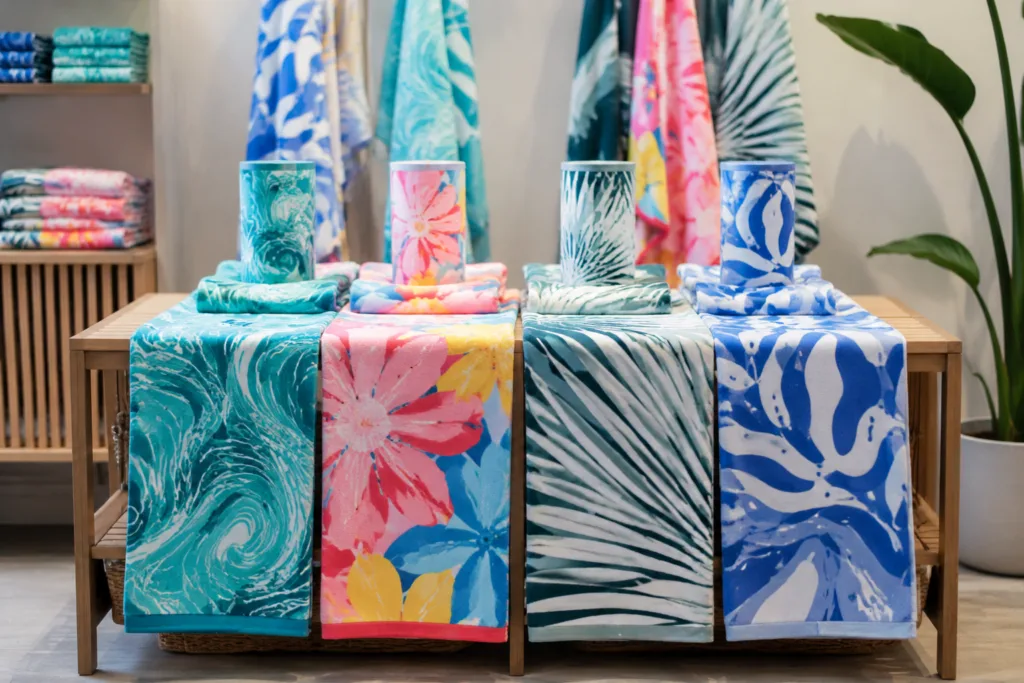
Efficient ordering of private label beach towels starts with confirming your supplier’s minimum order quantity (MOQ) and lead time—these affect both budget and launch windows. Sampling is indispensable: always request and review lab dips, strike-offs, or pre-production samples. Artwork should be provided in high-resolution and, for intricate logos, vector formats.
Proofing processes allow you to verify scale, color, and placement before mass production. Packaging and shipping logistics should be discussed upfront—retail-ready packs have different requirements than bulk hospitality shipments. Post-order, expect supplier support for tracking, re-orders, or handling quality issues.
For an in-depth walkthrough of the factory process, consult our article on the towel manufacturing process. Clarity and communication at each phase reduce costly errors and ensure the resulting towels match your vision and the market’s expectations.
Frequently Asked Questions
How do I choose the right GSM for my beach towels?
Select a GSM that balances softness, absorbency, and drying speed; 350–450 GSM suits most retail, while 500+ GSM offers luxury feel but slows drying—consider your end user and application.
What are the best materials for durability and absorbency?
High-quality cotton provides excellent absorbency and long-term durability; microfiber excels in quick-dry and portability but may offer less plushness—blends can be customized for specific needs.
Can I customize the packaging as well?
Yes, packaging for private label beach towels can be tailored: options include branded boxes, wraps, reusable bags, or eco-packaging, all designed to enhance retail impact and reinforce branding.
What is the turnaround time for custom orders?
Turnaround time depends on complexity and order size, typically ranging from 25 to 45 days after sample approval, with shipping time varying by destination; always confirm with your manufacturer.
How should I care for beach towels to ensure longevity?
Wash towels in cold or warm water with gentle detergents, avoid bleach, and tumble dry low; prompt washing after salt or chlorine exposure and not over-drying helps maintain softness and colors.
Are your towels suitable for outdoor use?
Yes, towels designed by beach towel manufacturers like Circe Towel use materials and finishes tested for colorfastness, UV exposure, and durability—request proof of outdoor performance in specs.
Related Reading
- Bulk Beach Towels: The Ultimate Developer’s Guide for Quality and Customization
- Selecting a Beach Towel Manufacturer: Insider Sourcing and Specification Tips
- Winning the Retail Shelf: Expert Strategies for Private Label Towel Packaging
- How to Create Standout Towels with Logos: Step-by-Step Branding Solutions
- A Roadmap to Building Your Private Label Towel Business from Scratch
- From Concept to Product: Navigating the Towel Manufacturing Process