
Introduction to Private Label Towel Manufacturing
Entering the towel market with your own brand means understanding the basics of sourcing, manufacturing, and quality assurance. A private label towel manufacturer checklist is an essential starting point for any business looking to customize towels for hospitality, retail, or promotional uses.
Private label towel manufacturing enables brands to design and control every aspect of their towels, from raw material sourcing to packaging. Choosing the right towels manufacturer can impact product performance, brand image, and your bottom line. The global towel market spans everything from luxury hotel bath linens to vibrant beach pieces for retail environments. Each niche comes with its own technical demands and style considerations.
Key decisions, including fabric selection, weaving methods, custom branding, and packaging, shape not only the look but also durability, absorbency, and customer satisfaction. The checklist below covers each vital step—inspiring confidence to take your private label towel project from idea to launch with no detail overlooked. Whether you seek branded bath towels, gym essentials, or custom gift sets, this guide will ensure a streamlined sourcing process with your towels manufacturer.
Definitions and Essential Concepts
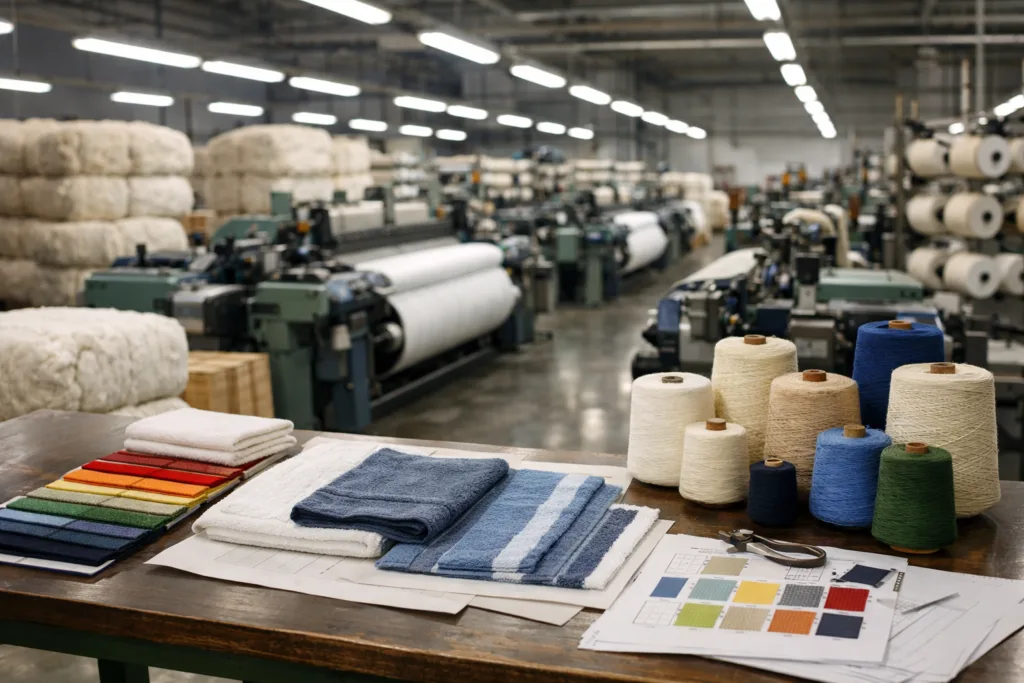
Before you begin discussions with a private label towel manufacturer or towels supplier, it’s crucial to clarify some foundation terms and product concepts.
- GSM (Grams per Square Meter): Measures towel thickness and density. The higher the GSM, the thicker and heavier the towel. Typical ranges: 300–400 GSM (thin/fast-drying), 450–550 GSM (mid-weight), 600+ GSM (premium, plush).
- Absorbency: Indicates how quickly and how much water a towel can absorb. Influenced by yarn, weave, and finishing.
- Fabric Types: Cotton (classic and soft), microfiber (fast-drying, performance-oriented), bamboo blends (eco-friendly), and mixed fibers (tailored for cost or function).
Specifying thickness, softness, edge finishing, and dimensions upfront helps your towels supplier deliver consistent quality. Precise specs avoid costly surprises later. The main towel sourcing models are:
- Private Label: Unique design and branding, using existing or new towel molds and specifications—your brand, your logo, and custom packaging.
- OEM (Original Equipment Manufacturer): Products made to your design, sometimes using the factory’s generic base products but your branding.
- ODM (Original Design Manufacturer): The factory develops and manufactures towels based on their own designs, which buyers can rebrand or customize.
Towel Categories span:
- Bath towels, hand towels, face towels, and washcloths
- Beach towels and pool towels
- Sports and gym towels
- Golf, spa, and promotional towels
- Baby, kitchen, and specialty towels
Refer to industry standards such as OEKO-TEX or GOTS for material safety and quality. Certifications reassure buyers about processes, dye use, and environmental protection. Proper definitions at this stage streamline communications and reduce sampling cycles with your towels supplier.
For more about towel categories, see the in-depth guide on the differences between bath, hand, and face towels from a manufacturing perspective.
Comparative Analysis of Towel Materials
Material choices significantly affect the look, feel, and function of your towels. The private label towel manufacturer checklist should start by understanding material advantages, limitations, and typical applications when working with any towels manufacturer.
| Material | Softness | Absorbency | Durability | Colorfastness | Best For | Eco Impact |
|---|---|---|---|---|---|---|
| Cotton (Combed/Ringspun) | High | High | Good | Strong | Hotels, Spa, Retail | Moderate (organic options greener) |
| Microfiber | Medium | Very High | Excellent | Good | Gyms, Sports, Car Care | Petroleum-based (some recycled) |
| Bamboo/Cotton Blend | Very High | Good | Moderate | Fair (tends to fade quicker) | Eco/Wellness | Lower (renewable bamboo) |
| Blends (Cotton/Poly) | Medium | Medium | Excellent | Good | Budget, Promotions | Mix (less natural) |
Cotton towels are preferred in most hospitality settings for softness and breathability. Egyptian and Turkish cotton varieties offer extra plushness. Microfiber towels, in contrast, shine in sports and gym environments due to their lightweight, quick-drying nature and minimal lint.
Bamboo-cotton blends are a growing trend, favored for their eco-friendly profile and natural antibacterial properties. Colorfastness can vary—cotton usually holds dye best after multiple washes, especially when manufactured by an experienced towels manufacturer. Microfiber is extremely durable, standing up to hundreds of washes, but can struggle with color variety and softness compared to combed cotton.
In selecting materials, weigh long-term use, cost, and environmental goals. For deeper insights on eco options, see Circe Towel’s resource on eco-friendly towel production.
Manufacturing and Construction Methods Explained
When working with your towels manufacturer or towels supplier, specifying the right construction is crucial for performance. Towels are woven in various ways, each offering unique advantages and best-use scenarios.
- Terry Weave: Classic looped pile known for absorbency and a soft, plush feel—favored in bath towels and hotels.
- Velour: Terry layers with one side sheared for a smooth, velvety touch. Great for embroidery and beach towels, though often less absorbent than classic terry.
- Waffle Weave: Structured, textured grid pattern. Quick-drying, lightweight, and visually distinctive—ideal for spa and kitchen towels.
- Jacquard: Intricate, yarn-dyed patterns woven into the fabric. Used for premium branding and high-detail designs. Generally heavier and more expensive.
Decoration is a key personalization consideration. Embroidery resists fading and offers a premium finish but costs more for detailed logos. Printing (screen or digital) delivers vibrant, complex designs but may fade with frequent washing. Jacquard weaving sustains color and design even after intensive laundering but requires larger MOQs and higher investment.
Product feel and performance follow construction choice. For example, velour towels look luxurious for gifting, while terry is the workhorse of hotels and spas. Waffle weaves pack small and dry quickly, serving well for travel or sports applications.
Learn more about jacquard options from our jacquard manufacturing deep-dive.
Design & Specification Checklist
Defining precise specifications before production is essential for a successful outcome. Here is a detailed private label towel manufacturer checklist to share with your supplier:
| Specification Item | Buyer Decision/Tip | Typical Ranges/Notes |
|---|---|---|
| Size (cm/inches) | Consider target users and application | Face towel: 30x30cm; Bath: 70x140cm; Beach: 80x160cm |
| GSM | Match absorbency and feel to use case | 350–500 (gym/promo), 500–650 (bath/luxury) |
| Material | Balance cost, softness, durability | Combed cotton, premium blends, microfiber |
| Edge Finishing | Choose for durability and style | Double-stitched hems, decorative borders |
| Logo Application | Embroidery for longevity, print for color/design | Embroidery, jacquard, digital/rotary printing |
| Colorfastness | Specify for commercial/hospitality needs | Industry standards: ≥Grade 4 (AATCC, ISO) |
| Packaging | Reflect retail/promotional/wholesale purpose | Polybag, gift box, eco-paper, private label wraps |
For logo placement: Embroidery withstands repeated washing—a perfect fit for premium towels, while high-quality printing allows detailed or full-bleed designs. However, printing may fade faster unless using advanced reactive or digital methods.
Absorbency, softness, and color are directly affected by material, GSM, and finishing agents. Don’t overlook the packaging—retail towels may require hangtags or window boxes, while hospitality sets often use bulk protective wraps. A sample product spec could be: “70x140cm, 550GSM combed cotton, double-stitched hem, tone-on-tone jacquard logo, OEKO-TEX certified, packed in recycled kraft paper sleeve.”
Browse Circe Towel’s product examples for more inspiration on achievable specs.
Quality Assurance and Testing Protocols
Every experienced towels manufacturer knows that rigorous quality assurance is vital. Go beyond simple inspection by establishing clear, test-based protocols.
- Absorbency Testing: Measures water wicking and holding speed/capacity. Fast and high absorbency are a must for spa and hotel towels.
- Wash Durability: Ensures the towel maintains color, size, and integrity after repeated laundering.
- Shrinkage Testing: Evaluates shrink rate after standardized wash cycles. Hospitality buyers usually demand shrinkage <5%.
- Colorfastness: Rated on a standardized scale (ISO/AATCC)—higher grades resist fading, especially for dark colors and reactive prints.
Work only with towels manufacturers who maintain complete batch tracking and third-party test reports (particularly for large B2B orders). Common pitfalls include excessive linting, uneven dyeing, loose stitching, and inconsistent GSM.
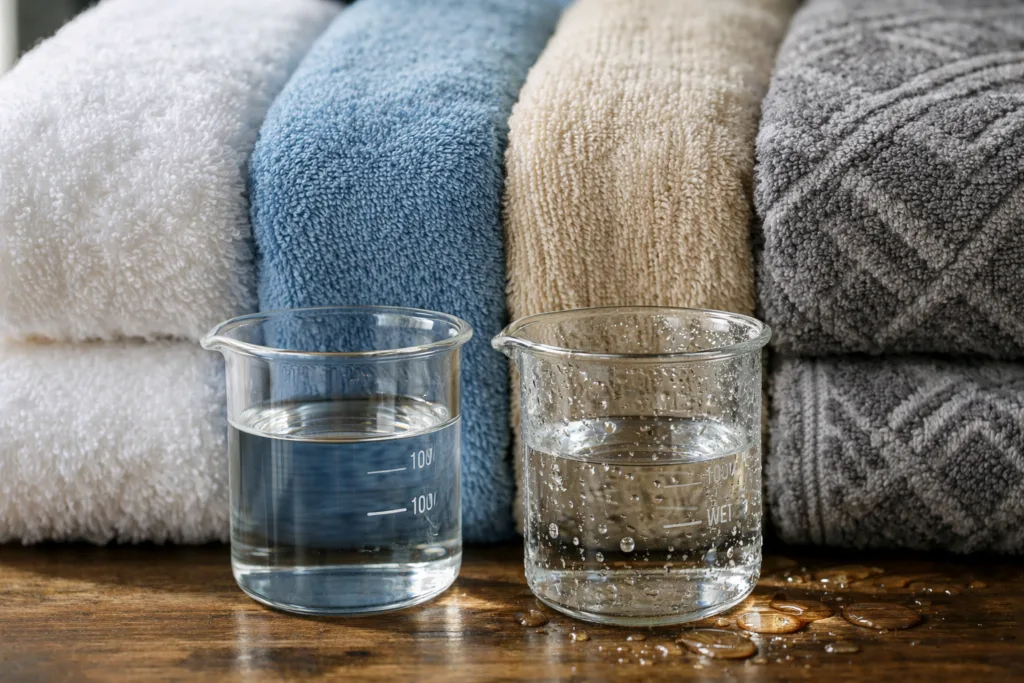
In one recent example, a hospitality chain detected shrinkage beyond contracted tolerances; the manufacturer resolved it with a change to pre-shrunk yarn and tighter finishing. Trusted partners like Circe Towel often provide their own independent QC checks alongside buyer-specified protocols.
For more on audit criteria, see the towel supplier audit guide.
Industry Applications and Use Cases
The private label towel manufacturer checklist covers all sectors—from hospitality and wellness to fitness and gifting. Each comes with unique expectations for form, durability, and branding, so working with an experienced towels supplier is essential.
- Hospitality: Hotels and resorts require luxurious, hard-wearing, and colorfast towels that withstand frequent high-temperature washing. Consider embroidered or woven logos for longevity.
- Gyms and Fitness: Look for lightweight, fast-drying, high-absorbency towels. Microfiber or waffle weaves excel, as do bold logo placements for branding.
- Promotional: For events or gifting, towels need eye-catching design, economy, and flexibility to accommodate branding via digital printing or cost-effective blends.
- Specialty Markets: Golf towels with carabiner clips, spa wraps, baby and kitchen towels—these demand careful selection of size, softness, and material for safety or utility. Baby towels, for instance, favor hypoallergenic materials and gentle edges.
Many successful brands make towels a central, storytelling product. Golf brands use jacquard for tournament towels, while high-end hotels select custom-color, thick cotton with border embroidery.
To learn more about application-specific solutions, explore guides like evaluating towels for hotels, gyms, and retail.
Customization Options for Your Towel Brand
Deciding on customization is one of the most impactful stages in partnering with a private label towel manufacturer or towels manufacturer. Custom branding and design set your towels apart in any market.
- Logo Placement: Embroidery is classic for permanent branding, particularly for hospitality. Printing (rotary, digital, or sublimation) serves best for promotional or complex full-color logos. Jacquard weaving integrates the design into the fabric itself—ideal for subtle luxury.
- Pattern/Border Design: Contrasting borders, color trims, or special jacquard patterns add a unique touch and reinforce your brand story.
- Packaging: Custom wraps, boxes, or hangers make a strong retail impression. Promotional towels often use practical, low-cost single polybagging, while premium offerings get branded gift boxes.
Upfront sampling and proofing ensure expectations are met before bulk production. Famous campaigns, such as a national gym chain’s holiday-branded towels, succeeded by investing in eye-catching digital print and high-quality GSM. Circe Towel regularly consults on upfront design adjustments to avoid late-stage surprises, emphasizing the higher rebranding value in private label towel production versus off-the-shelf blanks.
For branding methods deep-dive, see the custom logo execution guide.
Common Mistakes and Troubleshooting Guidelines
Even experienced buyers make avoidable errors when launching new towel lines. The private label towel manufacturer checklist should help you sidestep the most common missteps.
- Incorrect GSM/Fabric Selection: Low GSM towels save money but disappoint users seeking a plush hand-feel. Conversely, ultra-high GSM towels may dry slowly—problematic for gyms.
- Poor Absorbency or Durability: Overfocus on cost can lead to low-quality blends that underperform and hurt brand reputation.
- Fading & Color Inconsistency: Insist on tested dyes (reactive, VAT, or pigment) and written colorfastness specs. Problems here typically arise with low-cost or poorly controlled factory dyeing.
- Weak Decoration Methods: Cheap printing may flake, and poorly executed embroidery can pucker thin towels. Always sample before scaling up.
- Underestimating Packaging’s Role: Minimalist packaging suits bulk hospitality, while retail and gifts benefit from branded, protective, or eco-friendly solutions.
Maintain open dialogue—and always sign off on pre-production samples or factory proofs. If issues do arise, request photos, lab results, or third-party testing to verify the root cause before shipment. Making corrections early saves significant time and expense when collaborating with your private label towel manufacturer.
Read more about common sourcing questions in the 20 Must-Ask Questions for Smooth Towel Sourcing guide.
Ordering and Logistics Guide
Ordering custom towels involves a defined series of steps with your towels supplier. Understanding these will keep your project on track and costs predictable.
- Minimum Order Quantity (MOQ): Most manufacturers require bulk orders—typically from 300 to 1000+ pieces per style/material/logo. Specialty weaves or premium finishes may increase MOQ.
- Lead Times: Standard towel orders take 25–45 days after sample approval; jacquard and large orders may require more time.
- Sampling & Proofing: Request pre-production samples or digital proofs to review logo and spec before proceeding.
- Packaging & Shipping: Define requirements—bulk bales, retail sets, or custom export cartons. Shipping can be FOB, CIF, or DDP, affecting delivery responsibilities and costs.
- Communication: Document all specifications, packaging, and test criteria in the formal purchase order and confirm schedules to avoid surprises.
Best logistics practice: factor in potential customs clearance, restocking cycles, and buffer inventory for retail launches. For a closer look at the production-to-shipment process, see this guide on towel export packaging.
Frequently Asked Questions
What materials are best for various towel applications?
For hotels and spas, high-GSM combed cotton offers luxury and durability, while microfiber is preferred for gyms and promotional uses due to its fast-drying and lightweight properties.
How do I ensure quality in my towel orders?
Specify clear standards for absorbency, colorfastness, and shrinkage, request third-party or in-house test reports, and always approve production samples before mass manufacturing begins.
What are common customization options available?
Most private label towel manufacturer checklist options include embroidery, jacquard weaving, digital printing, custom edge stitching, branded labels, and retail or bulk packaging choices.
What is the typical lead time for production?
Standard production times for towels manufacturer orders range from three to six weeks after sample approval, depending on order complexity, order size, and seasonal demand.
How do I test samples before committing to a larger order?
Assess size, softness, color consistency, logo execution, and wash-performance using practical in-house tests or request lab reports from the towels supplier or third parties.
What should I know about pricing, shipping, and after-sales support?
Pricing is affected by material, GSM, branding, and packaging; always confirm shipping terms and clarify restocking, replacements, and after-sales policies with your private label towel manufacturer checklist partner.
Conclusion & Next Steps
Launching a towel brand or selecting the right factory relies on careful planning and clear communication. The private label towel manufacturer checklist above gives sourcing teams a practical roadmap—covering product configuration, sampling, quality control, logistics, and industry applications. Matching material, construction, and branding methods to your channel ensures quality and value.
Before moving forward, review your brand’s market focus, desired specs, and quality benchmarks. If your goal is reliability and sustained brand storytelling through textiles, align these insights with a responsive towels supplier for best results.
Ready to move ahead? Request an RFQ or samples to start turning your towel concept into a market-winning reality. For an in-depth launch plan, explore Circe Towel’s practical guides and leverage their manufacturing expertise for consistent, scale-ready outcomes.
Need precise material or strategy advice? Circe Towel’s specialists are happy to assist with tailored recommendations based on your sector, audience, and budget.
Related Reading
- Avoid Sourcing Pitfalls: Insider Tips to Choose the Right Towel Manufacturer
- Understand OEM, Private Label, Wholesale & Custom Towels for Smarter Sourcing
- Discover How Eco-Friendly Towel Production Impacts Branding & Sustainability
- Master Towel Absorbency, Loops & Yarn: Improve End-User Satisfaction
- Demystify Towel Export Packaging for Damage-Free, Seamless Delivery